5 Goalkeeper Glove Innovations That Changed History
Goalkeeper gloves have evolved from simple cold-weather hand protection into specialized equipment that enhances grip, safety, and performance. This articl

Goalkeeper gloves have evolved from simple cold-weather hand protection into specialized equipment that enhances grip, safety, and performance. This article highlights five key innovations that transformed glove design and continue to influence modern goalkeeping.
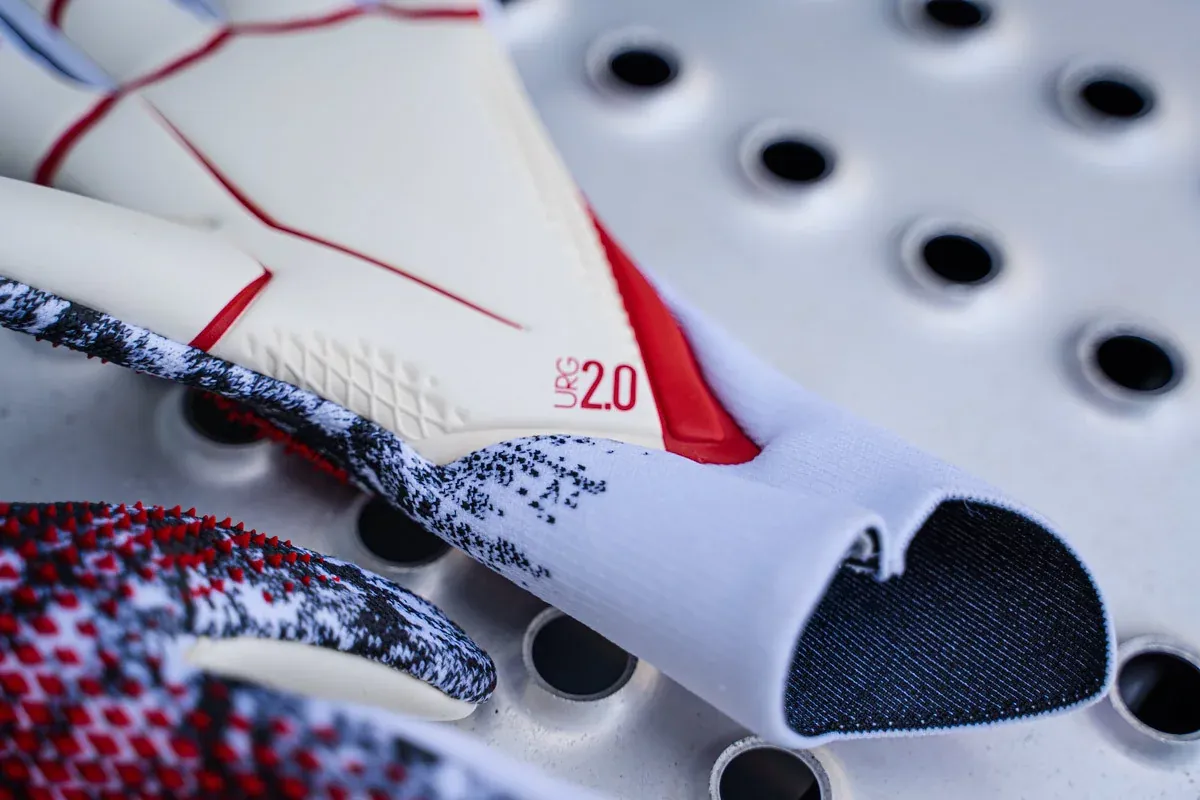
Key Innovations in Goalkeeper Glove History
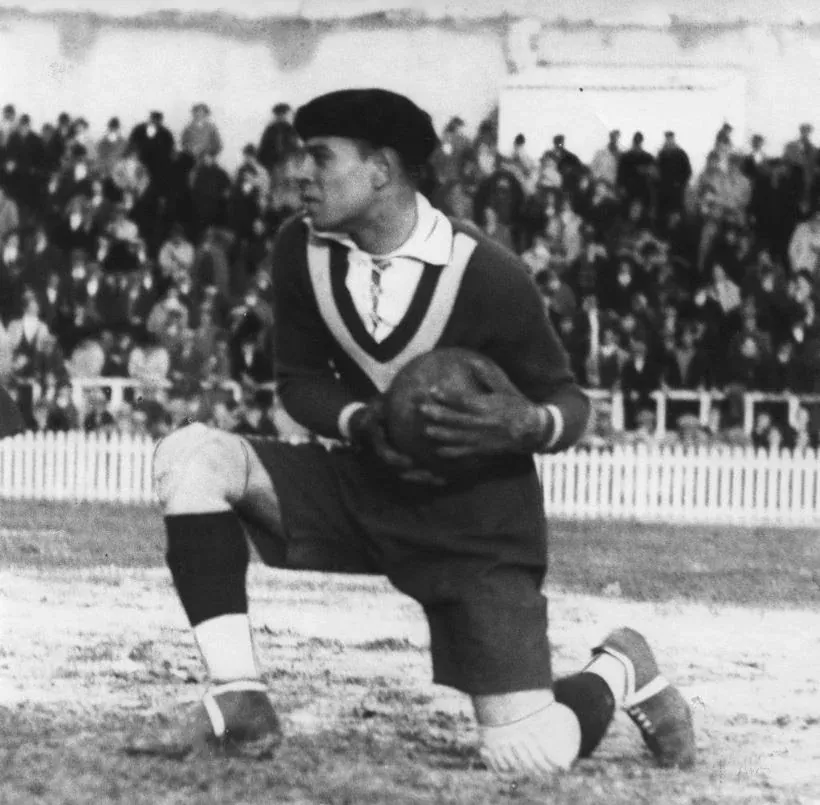
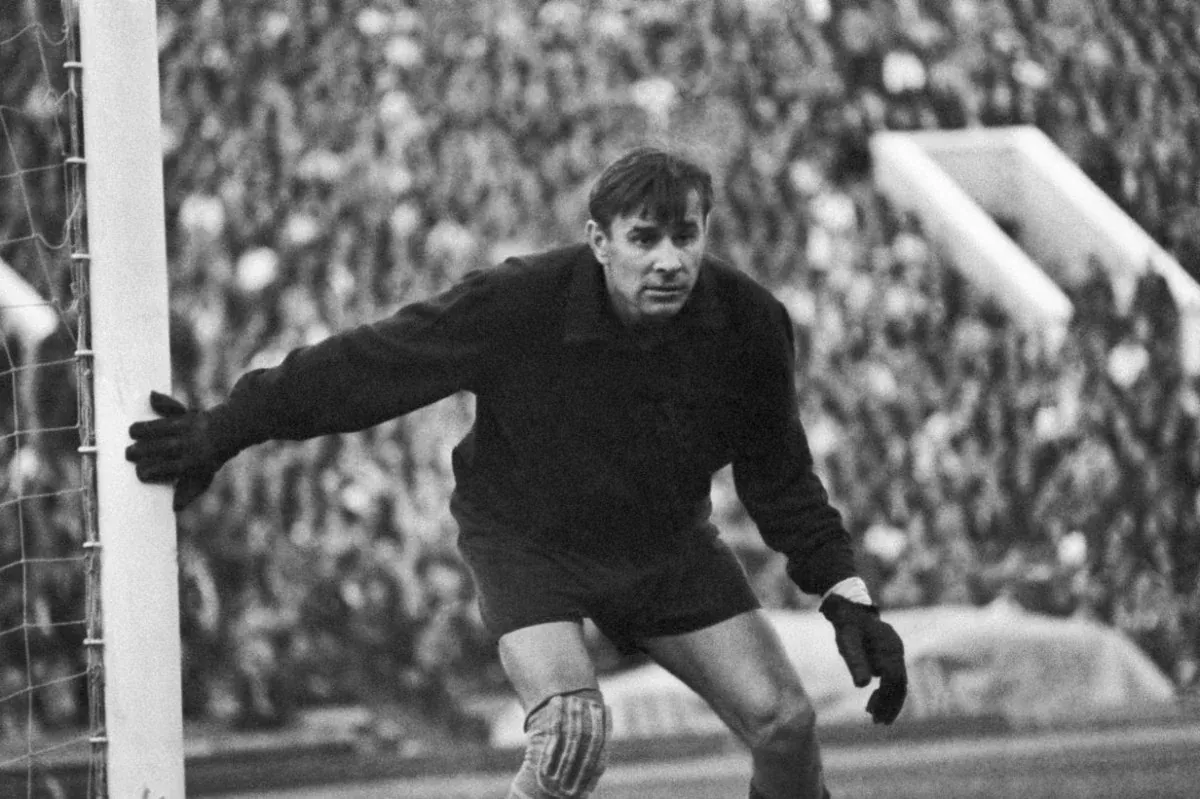
Goalkeepers have worn gloves since the 1920s – Ricardo Zamora and Lev Yashin are early examples. Initially, gloves were used mainly to protect hands from cold and provide basic cushioning. The materials and technologies we take for today developed later, through gradual refinement rather than sudden revolution.
5. The Presence of Latex in Goalkeeper Gloves
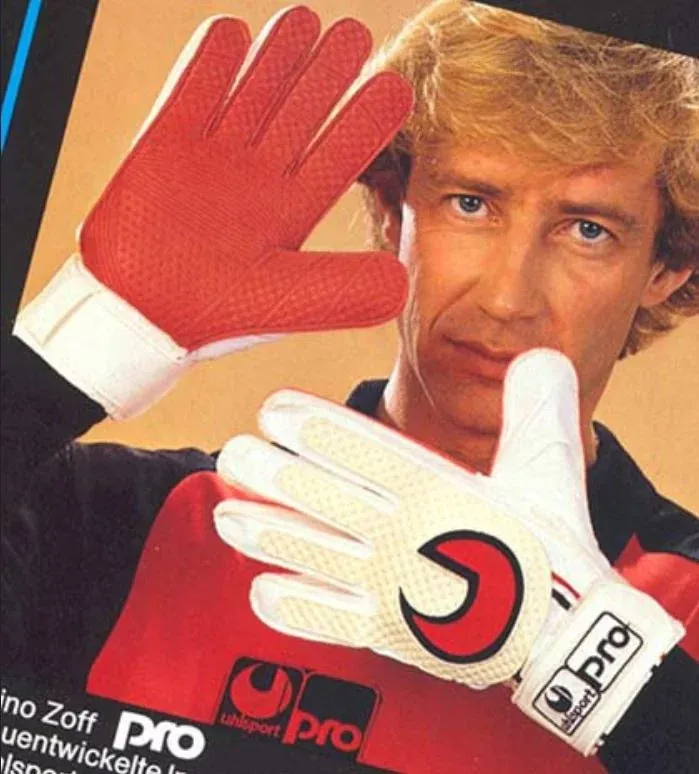
In the 1980s, latex made its debut in goalkeeper gloves. During the 1970s, gloves were lined with fleece or towel-like materials that offered cushioning but no grip. Brands such as Reusch and Uhlsport discovered latex, though early latex quality was not critical because balls were rough leather, pitches were dry, and grip demands were lower. The palm material is derived from a latex foam produced via a process called “Kaysan.”
4. Gloves for Extreme Conditions
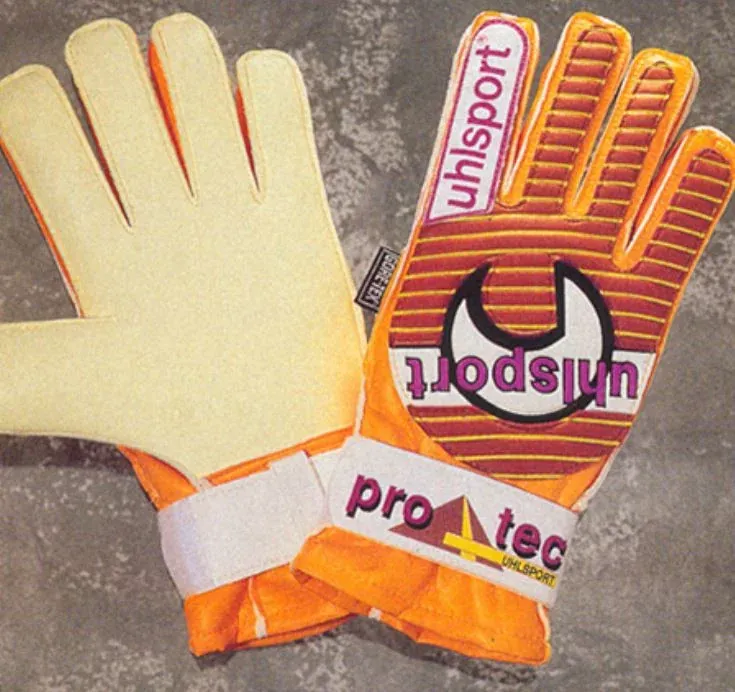
In 1992, Uhlsport introduced the ProTec with Gore-Tex, a membrane designed to keep hands warm and dry. At that time, Gore-Tex had limited breathability and would sometimes slip out of the glove, making it difficult to reinsert the hand.
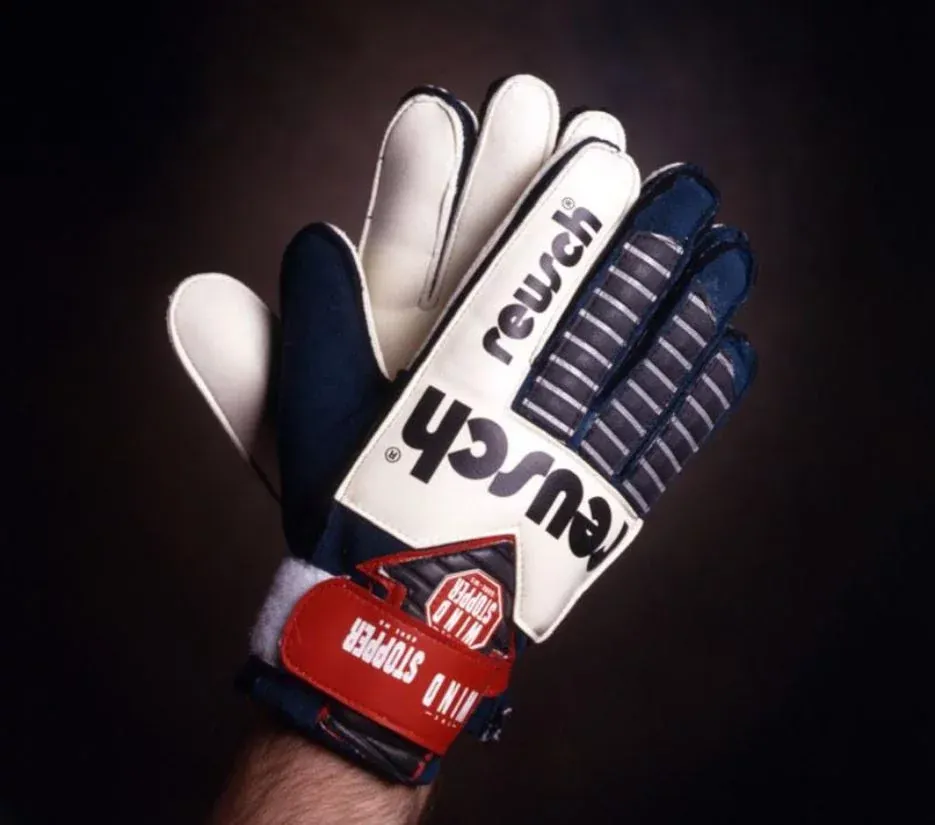
In 1994, Reusch responded with the GS Wind Stopper, a membrane that offered improved wind protection and retained breathability, though with reduced water resistance. The fit was also improved.
3. Finger Protection
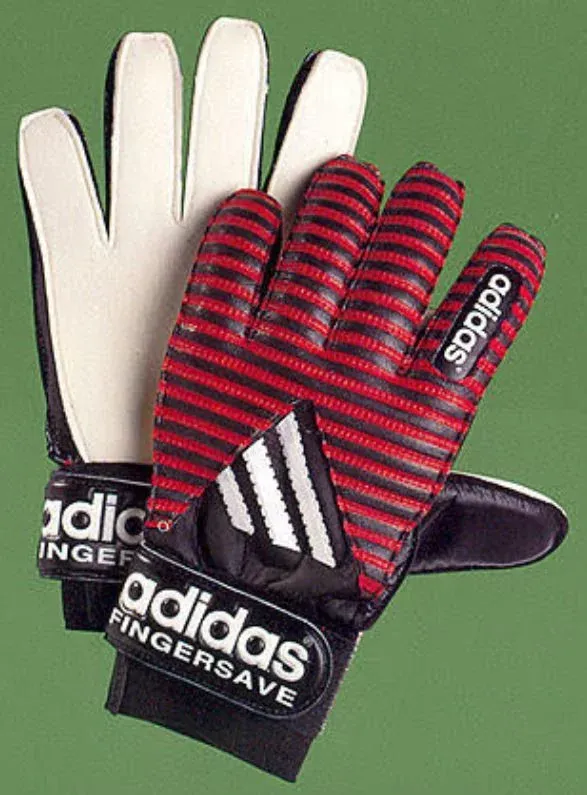
In the 1990s, adidas launched the Fingersave glove, the first to protect fingers from potential injuries and support already-damaged fingers. Finger protection remains a debated topic among goalkeepers.
2. Gloves for Wet Conditions
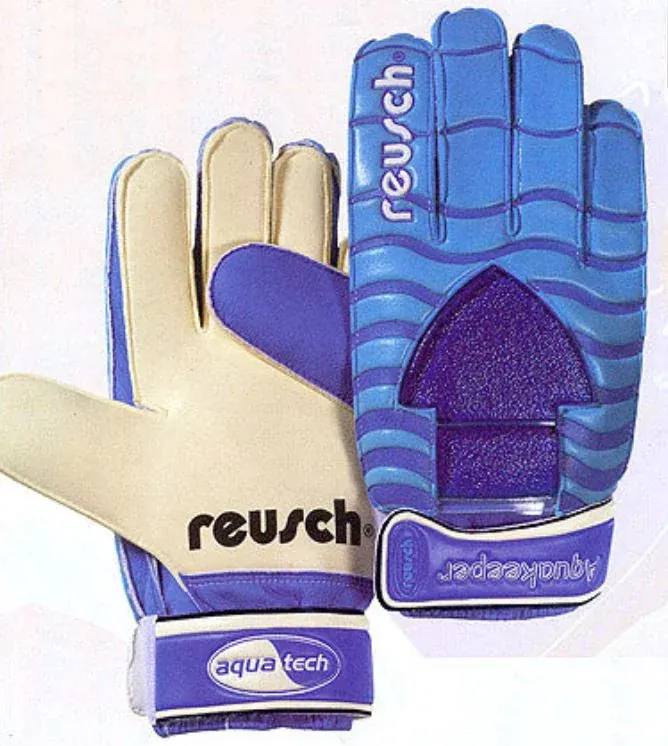
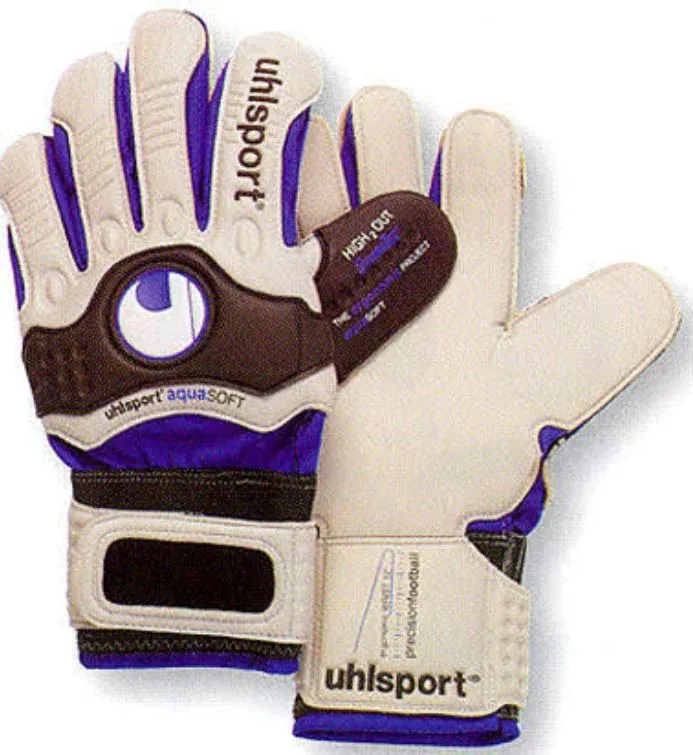
In 2001, Reusch introduced the Aqua Keeper, a glove designed for wet conditions. Two years later, Uhlsport launched the AquaSoft, featuring an improved palm made of natural latex with micro-granules that swell by absorbing water to ensure effective grip and faster drying.
1. Strapless Gloves
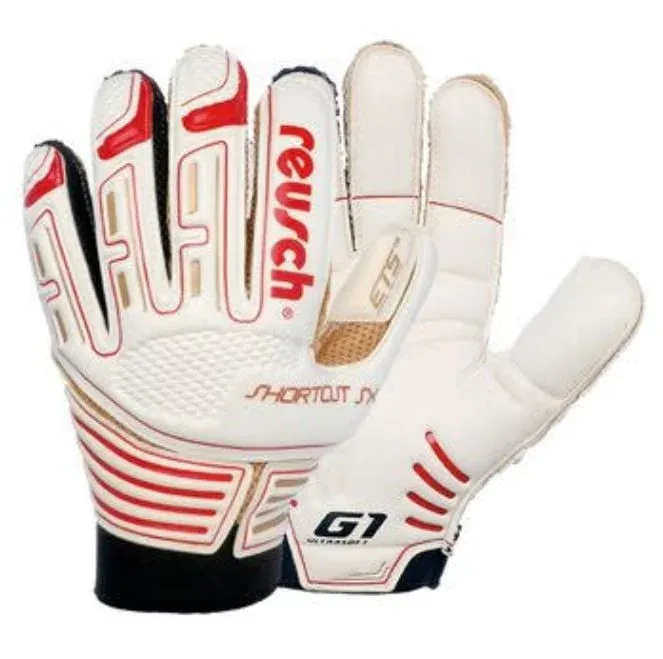
In 2007, Reusch pioneered the strapless design with the ShortCut SX, which had no fastening strap or wrist strap. The concept was ahead of its time and initially not widely adopted. Today, strapless gloves are common, found on models such as adidas Predator, Nike Mercurial Touch, SP No Goal Zero, and Puma Future Grip.
We could add glove cuts to the list, but this is our top selection.
Related search topics
- Top 5 goalkeeper gloves that changed history football guide
- Top 5 goalkeeper gloves that changed history latest updates
 WhatsApp
Looking for affordable football boots and jerseys made in China?
Message us on WhatsApp at +86 151 6027 2505, or find us on Instagram at @luxurycoca.
 Instagram