Best Goalkeeper Gloves: A Complete Buying Guide
Being a goalkeeper carries significant pressure. As the decisive player the whole team depends on, having the right tool—your gloves—is crucial. Football e
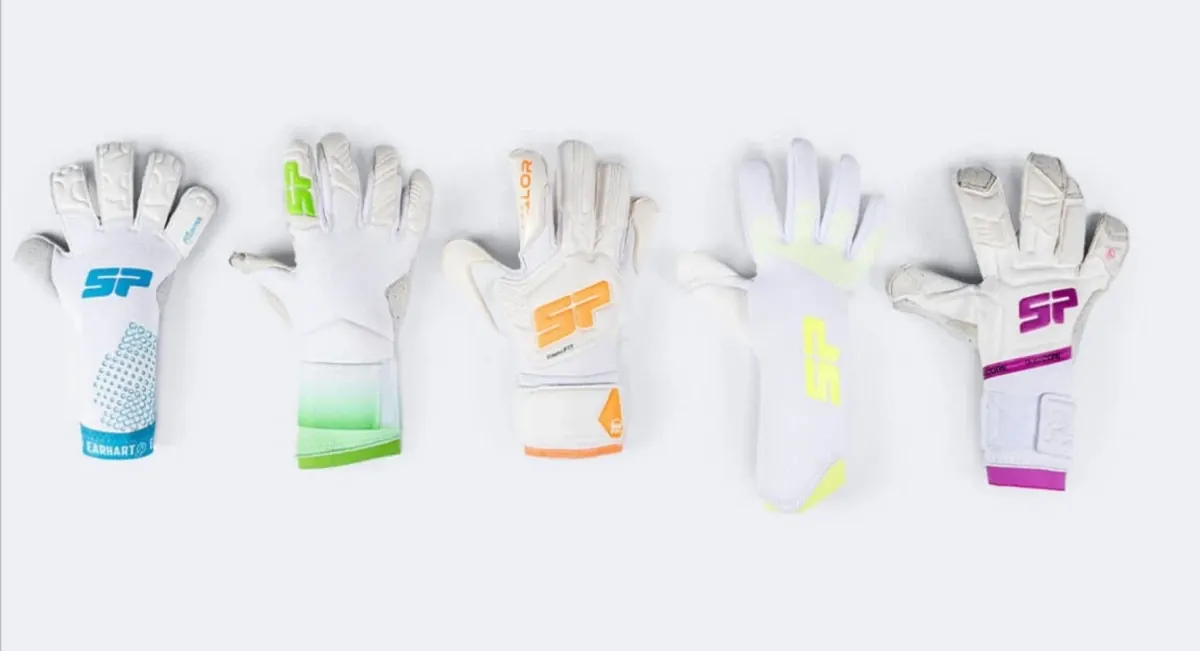
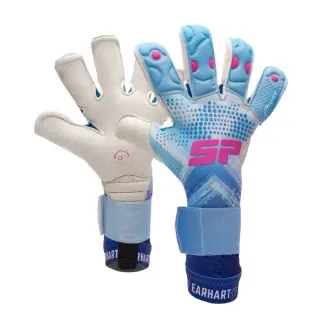
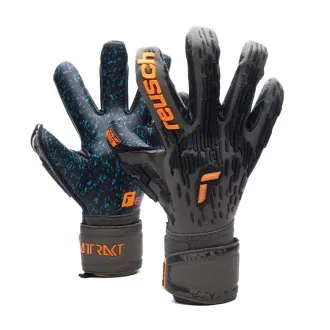
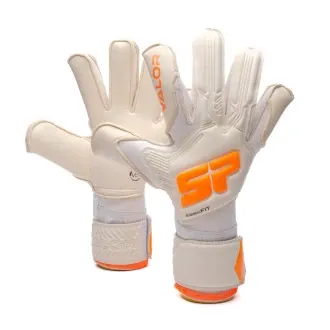
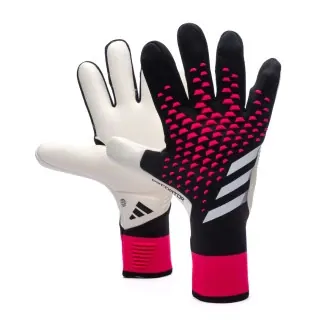
Being a goalkeeper carries significant pressure. As the decisive player the whole team depends on, having the right tool—your gloves—is crucial. Football equipment has evolved dramatically in recent years, making the choice of goalkeeper gloves a complex task when comparing brands, materials, and features. This guide outlines the key attributes to consider so you can make an informed decision based on your playing needs.
Grip Types for Goalkeeper Gloves
Grip is the most essential characteristic of a goalkeeper glove. Three main categories exist:
Top‑tier grip – Made with 80–90% natural latex. These palms offer supreme ball adherence but wear out faster, making them best suited for natural grass.
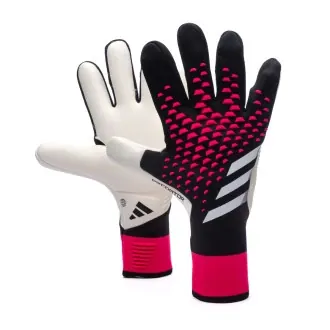
Mid‑tier grip – A blend of 50% natural latex and 50% synthetic latex. Grip is lower and less spongy. They perform well on dry pitches but lose some adherence in wet conditions, though the latex erodes more slowly.
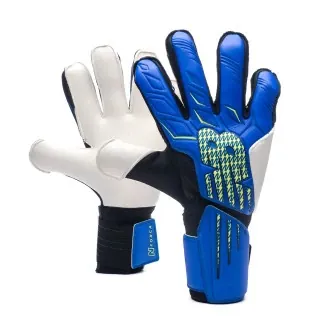
Basic grip – Composed mostly of synthetic latex. Highly resistant to abrasion, ideal for dry pitches, but with noticeably less grip performance.
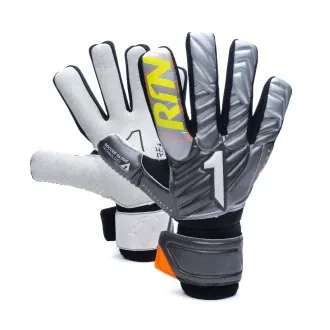
A typical approach is to use top‑tier gloves for matches and basic grip gloves for training, where durability matters more. Additionally, wet‑weather gloves use a more porous, high‑quality latex that absorbs water and improves ball contact. Some brands also increase latex thickness for these conditions.
Cut Types for Goalkeeper Gloves
The cut of a glove affects fit and surface area. The main types are:
Flat cut – A traditional design where the palm is sewn directly to the backhand.
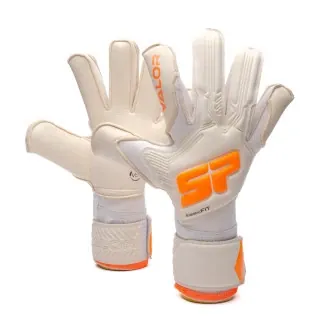
Rollfinger cut – The latex wraps around the fingers both inside and outside, increasing the contact surface and grip.
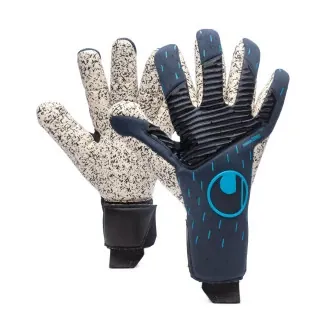
Negative cut – Similar to flat cut but sewn from the inside, providing a tighter fit. This cut is favoured by professional goalkeepers such as Hugo Lloris.
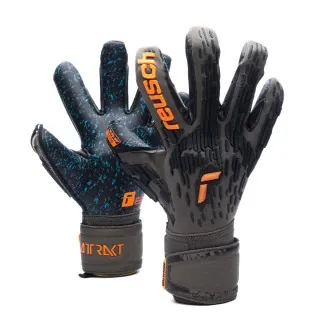
Players differ in style and preference, so brands also offer hybrid cuts such as roll‑flat or roll‑negative gloves.
Special Features in Goalkeeper Gloves
Finger protection – Plastic bars inside the glove allow natural finger flexion but prevent over‑extension when catching the ball. These fingersave gloves are useful for goalkeepers recovering from finger or palm injuries but are not necessary for healthy players.
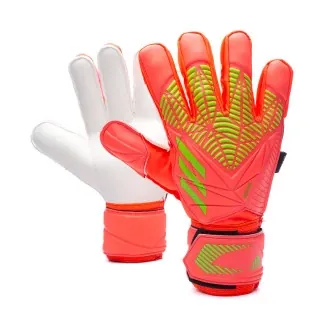
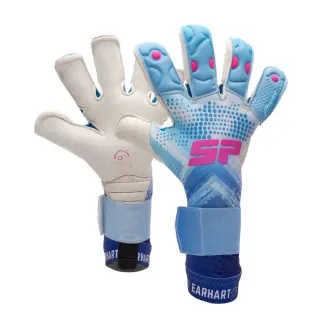
Women’s goalkeeper gloves – Designed with a more ergonomic shape suited to the feminine hand. They feature a narrower wrist diameter, a smaller palm‑to‑thumb distance, and greater thumb freedom.
Goalkeeper Gloves for Kids
The same principles apply when choosing gloves for children—selection depends on the child’s needs and playing conditions.
Goalkeeper Glove Sizing
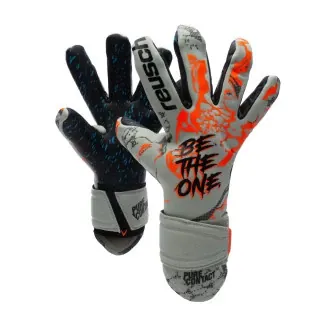
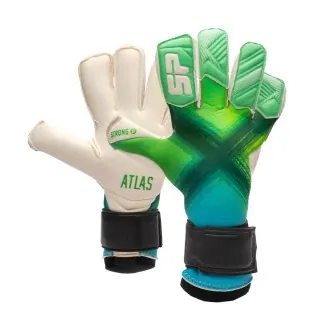
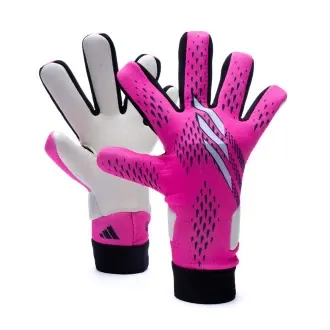
Glove size depends on hand dimensions, not age. Two common measuring methods exist:
- Place your hand on the physical packaging of the gloves, where an illustrative size chart is often printed.
- For online purchases, measure the diameter of your knuckles with a measuring tape. This measurement also reflects palm width, helping you find a comfortable fit.
Budget Considerations
Not all expensive gloves are the best, and not all cheap gloves are poor quality. Brands offer models across all price ranges. High‑quality gloves can sometimes be found at a good price if the upper material is simpler. The final choice depends entirely on your personal preferences and playing conditions.
Related search topics
- what are the best goalkeeper gloves in the world
- what are the best goalkeeper gloves for kids
- what are the best goalkeeper gloves for grip
- what are the best goalkeeper gloves to buy
 WhatsApp
Looking for affordable football boots and jerseys made in China?
Message us on WhatsApp at +86 151 6027 2505, or find us on Instagram at @luxurycoca.
 Instagram