Developing the Goalkeeper’s Personality: Emotional and Psychological Training
Training a goalkeeper goes beyond technical and tactical drills. To perform at their best, goalkeepers must also develop the emotional and psychological co
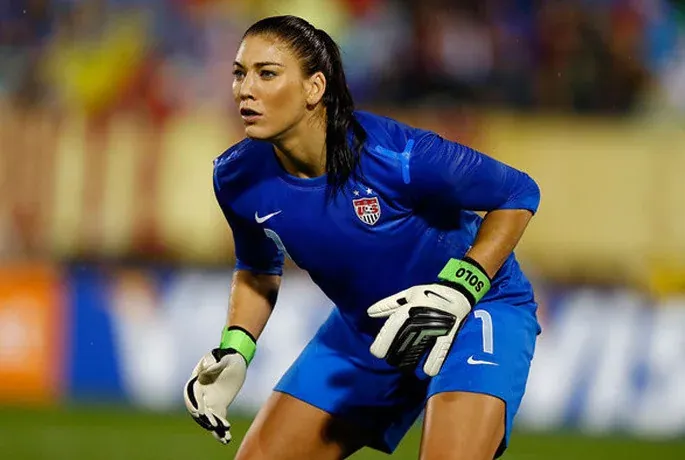
Training a goalkeeper goes beyond technical and tactical drills. To perform at their best, goalkeepers must also develop the emotional and psychological competencies specific to their position. These skills help them build the confidence, resilience, and self-awareness needed to excel. A goalkeeper needs not only excellent physical and technical qualities but also the mindset to be and feel like a true goalkeeper.
Key Psychological Competencies for Goalkeepers
Several factors influence a goalkeeper’s emotional state, including dealing with loneliness in teamwork, directing teammates from the goal, competing daily, and managing anxiety, stress, and anger. The most important competencies are outlined below.
Accept and Live with the Possibility of Error
Goalkeepers’ mistakes are highly visible and often decisive for the match result. The awareness of not making errors can create insecurity. It is essential to understand that mistakes are part of the game and that perfect performance is impossible. The key difference lies in whether the goalkeeper can handle the situation after a mistake—immediately refocusing on the game—or whether the mistake takes over.
Conveying Confidence
The goalkeeper’s emotions spread to the team and the crowd. Insecurity from the goalkeeper reduces teammates’ confidence, making defending and attacking harder. The goalkeeper is a major transmitter of mood. Early in the match, they should avoid risky actions and make interventions without hesitation. Toward the end, the goalkeeper must convey control by taking calculated risks in final moments.
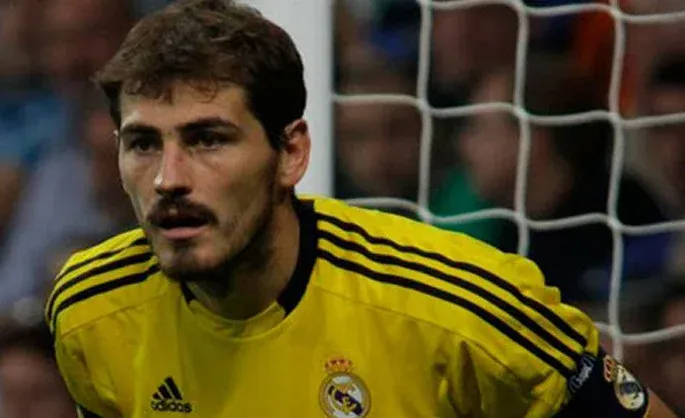
Accepting and Knowing How to Live with Criticism
A footballer’s work is public, performed in front of fans. Working in a “shop window” makes it hard to isolate from criticism and focus entirely on performance. Goalkeepers need psychological resources to cope with the weekly scrutiny they face.
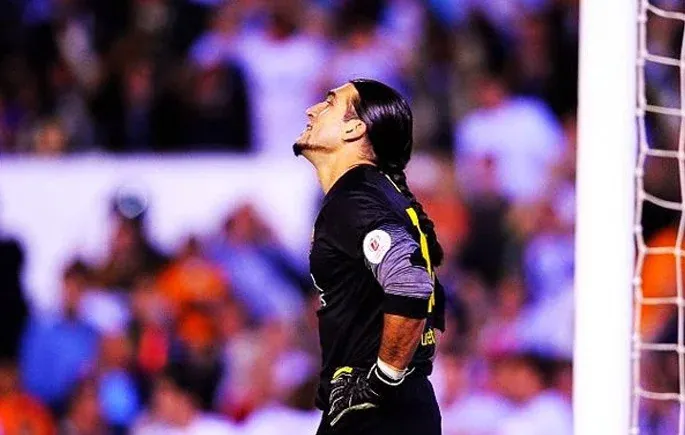
Internal Management of One’s Own Individual Self-Confidence
A goalkeeper must convey confidence through their work, not expect the coach to gift it. Nobody gives blind confidence; expecting otherwise is a mistake. It is the goalkeeper’s responsibility to convince coaches by managing their own self-confidence. Others may doubt, but the goalkeeper cannot doubt themselves. This mindset rarely appears spontaneously in young or developing players, so it must be taught and reinforced.
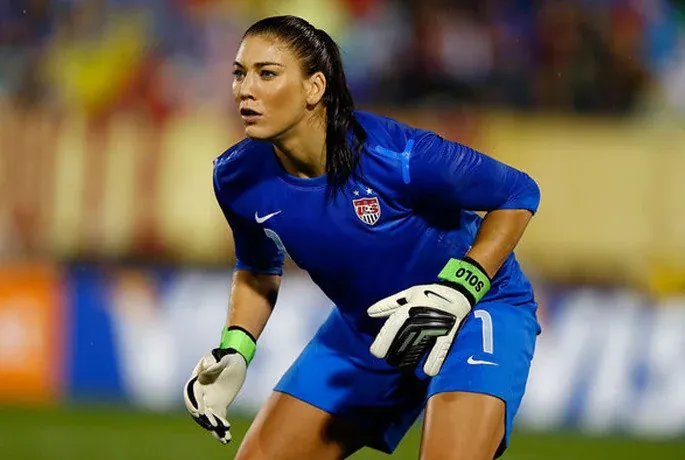
Competing Every Day
Young goalkeepers often mistakenly think they waste time when not playing continuously, which leads them to undervalue competition. Teammates become rivals to overcome through consistent, good work. They must learn to handle this situation without it affecting morale or performance. The goalkeeping coach should create a healthy competitive atmosphere from the first training session. Many goalkeepers, whether starters or substitutes, relax and reduce intensity after learning the coach’s choices—a mistake that undermines their development.

Thanks to our team’s psychologist (RSD Santa Isabel, Zaragoza) @YolandaCuAy for those tasks before each training session and before each match, helping us feel confident. This work reinforces our emotional and psychological skills, which benefit both sports and daily life. Without you, this wouldn’t have been possible.
Related search topics
- Training goalkeeper s personality football guide
- Training goalkeeper s personality latest updates
 WhatsApp
Looking for affordable football boots and jerseys made in China?
Message us on WhatsApp at +86 151 6027 2505, or find us on Instagram at @luxurycoca.
 Instagram