Every UEFA European Championship Mascot: A Complete History
Since the 1966 World Cup introduced Willie as the first official football tournament mascot, mascots have become a joyful tradition at major competitions.
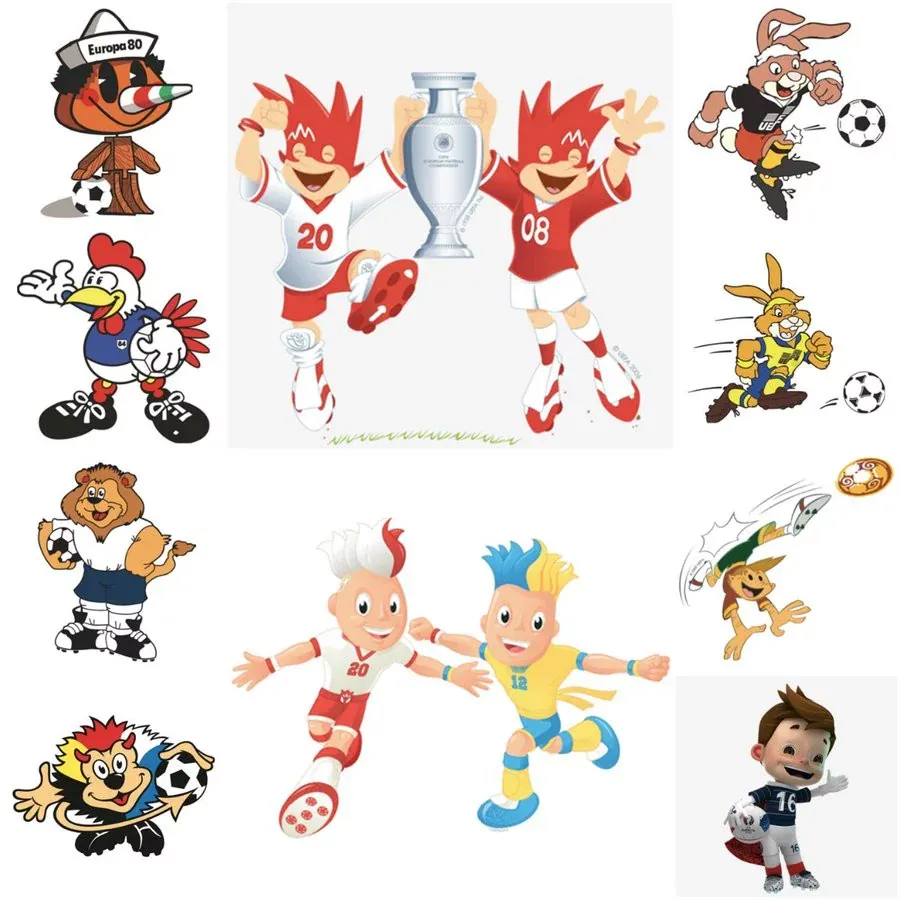
Since the 1966 World Cup introduced Willie as the first official football tournament mascot, mascots have become a joyful tradition at major competitions. For the UEFA European Championship, the tradition began in 1980. Over the decades, each host nation has created a unique character that reflects local culture, folklore, or national symbols. Below is the full history of every EURO mascot.
1980 – Italy – Pinocchio
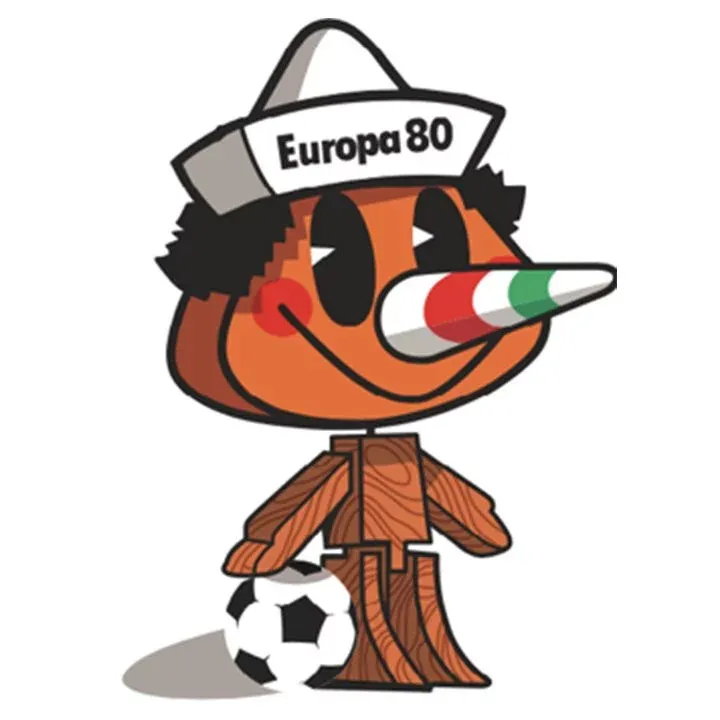
Italy was under pressure to create a lasting first impression as the first host of a European Championship mascot. The answer was Pinocchio, the little wooden boy from the classic Disney story. His moral tale resonated with the tournament, and he also offered strong commercial appeal, becoming one of the most sought‑after toys of the era.
1984 – France – Peno

Peno was a rooster dressed in the colours of host nation France, wearing football boots and carrying the official tournament ball. Always ready for action, he brought the French luck: they went on to win the title on home soil.
1988 – Federal Republic of Germany – Berni
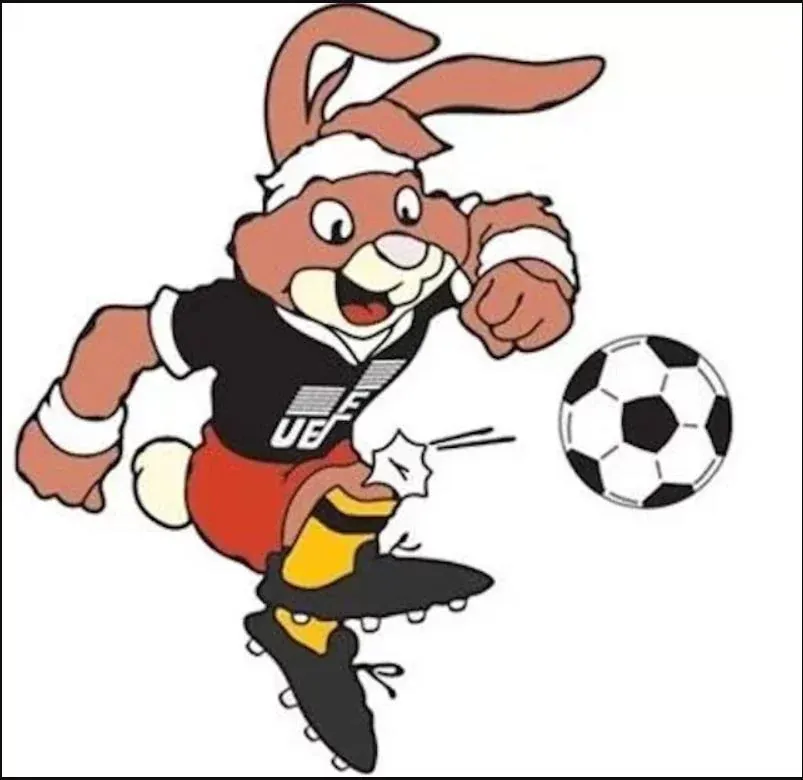
Expectations were high for another toy‑inspired mascot, but Berni surprised everyone. He was a rabbit in a full football kit, complete with wristbands and a sweatband, always ready for fun. His name honoured the city of Bern, where Germany won their first World Cup in 1954.
1992 – Sweden – Rabbit
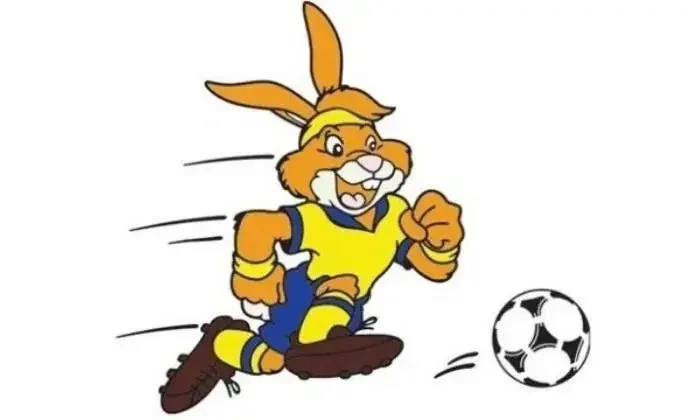
Sweden was hosting another major tournament, and the organisers aimed for creativity. They seemed to pull a rabbit out of a hat—literally. Rabbit was very similar to Berni, with the main difference being the colour of his kit.
1996 – England – Goliath
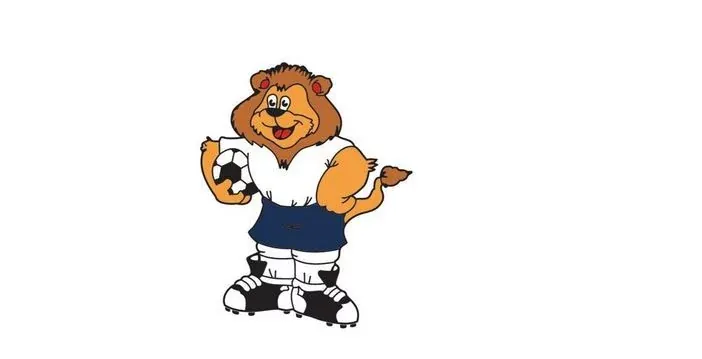
England faced the challenge of surpassing Willie, the 1966 World Cup mascot. Goliath, a lion, broke with previous styles and became an ideal toy. He represented a gentle giant, dressed in England’s colours and featuring as one of the symbols on the national team crest.
2000 – Netherlands and Belgium – Benelucky
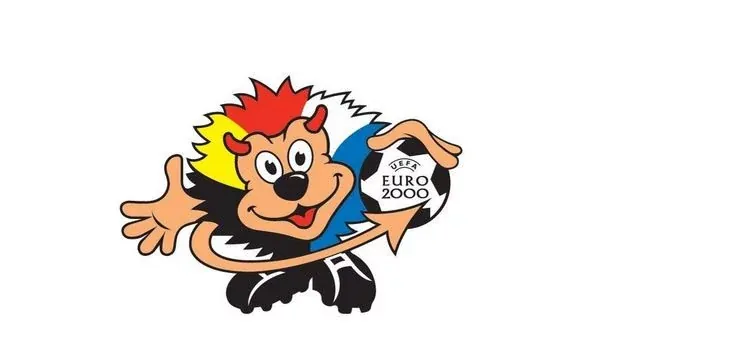
For the first multi‑host European Championship, the organising committee embraced the BENELUX alliance. Benelucky was half devil (for Belgium’s Red Devils) and half lion (the national symbol of the Netherlands). The name conveyed good luck and positive energy.
2004 – Portugal – Kinas
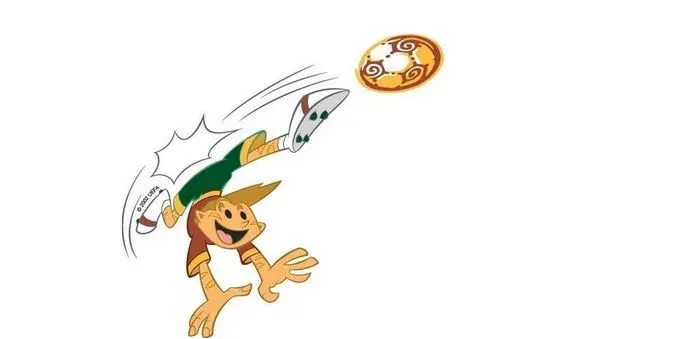
Kinas, a boy dressed in national colours, had the task of uniting the country and helping the host nation win. Portugal came very close to retaining the title. His name referenced the five blue shields on the Portuguese flag, and he was always cheerful and ready to play football with spectators.
2008 – Austria and Switzerland – Trix and Flix
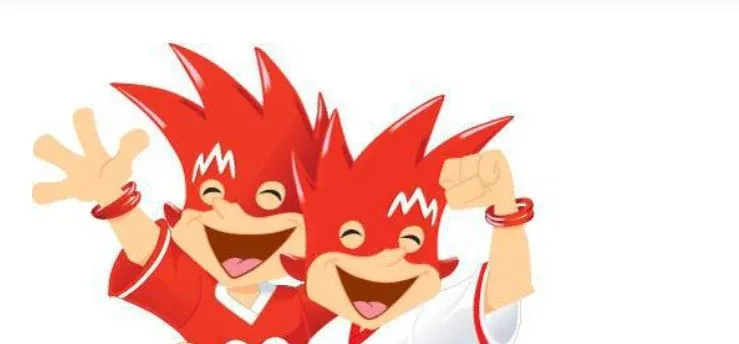
For the second dual‑host tournament, Trix and Flix were a pair of twins from the Alps. Each wore the colours of one host nation, reflecting the bond between neighbouring countries. They were great dancers and even had their own official soundtrack.
2012 – Poland and Ukraine – Slavek and Slavko

Again two host nations, two mascots. Slavek and Slavko were dressed in the colours of Poland and Ukraine, with hairstyles typical of the region. According to former striker Andriy Shevchenko, these twins could even play football.
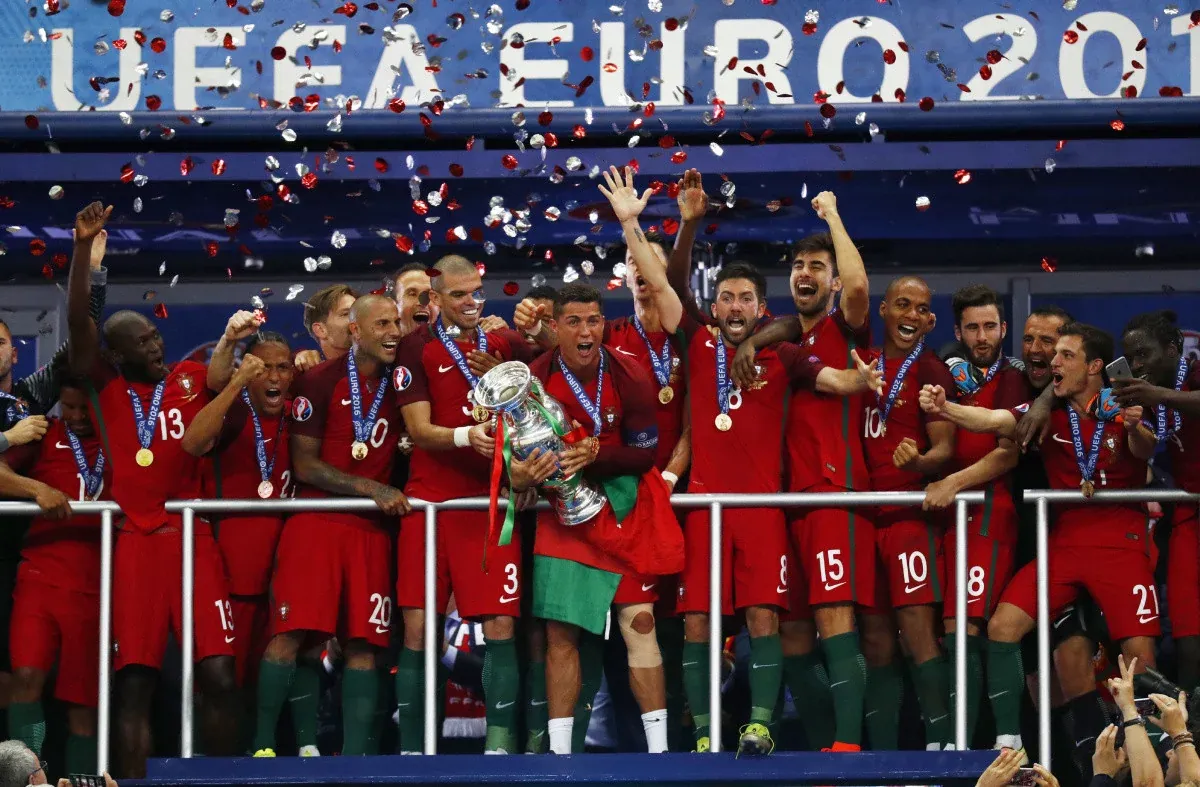
2016 – France – Super Victor
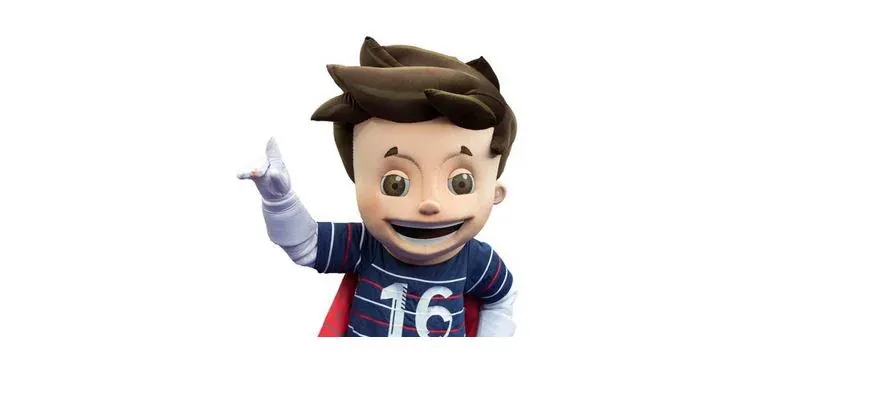
Victor was an ordinary boy until he found a flying cape, a pair of football boots, and a ball. He became Super Victor, flying from city to city during Euro 2016 to deliver the official match ball to the tournament’s stadiums.
Related search topics
- Every EURO mascot football guide
- Every EURO mascot latest updates
 WhatsApp
Looking for affordable football boots and jerseys made in China?
Message us on WhatsApp at +86 151 6027 2505, or find us on Instagram at @luxurycoca.
 Instagram