Football Boot Sole Types: FG, SG, AG, Turf, MG, and Futsal Explained
Football is commonly known as the king of sports, not only because of the millions of fans who follow the games on TV, but also because of the millions of

Football is commonly known as the king of sports, not only because of the millions of fans who follow the games on TV, but also because of the millions of players who compete at all levels: beginners, semi‑professional, professional, and amateur. Just as there are many types of athletes, there are also many kinds of fields with differing characteristics – natural or artificial grass, hybrids, and dirt. And of course, a sole has been developed for each of these surfaces. This guide explains the main types of football boot soles and where to use them.
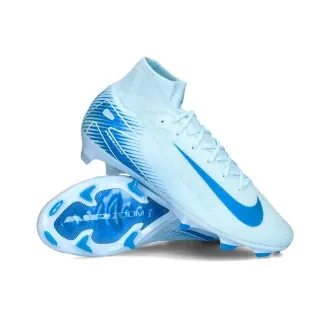
FG – Firm Ground Boots
FG stands for Firm Ground and is the classic boot most players know. They are sometimes called rubber studs, although the studs are not always rubber. This sole is perfect for use on fresh natural grass.

Some players use FG boots on the latest generation of artificial grass, which replicates natural grass pitches quite well. While this is a valid preference, it is still not the most advisable choice because it is not covered by warranty and not all boots are compatible. For example, boots with long studs are not suitable for artificial grass pitches.
SG – Soft Ground Boots
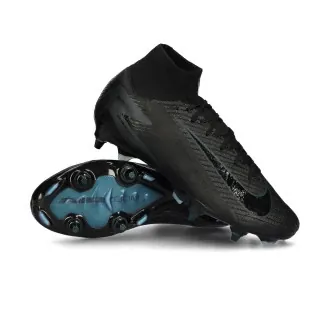
SG stands for Soft Ground. These boots traditionally feature aluminium studs. There are two main types: traditional SG boots and multi‑ground (or hybrid) boots.
Traditional SG boots have six studs for support and offer greater penetration on the pitch. They are best used on muddy ground and rainy days.
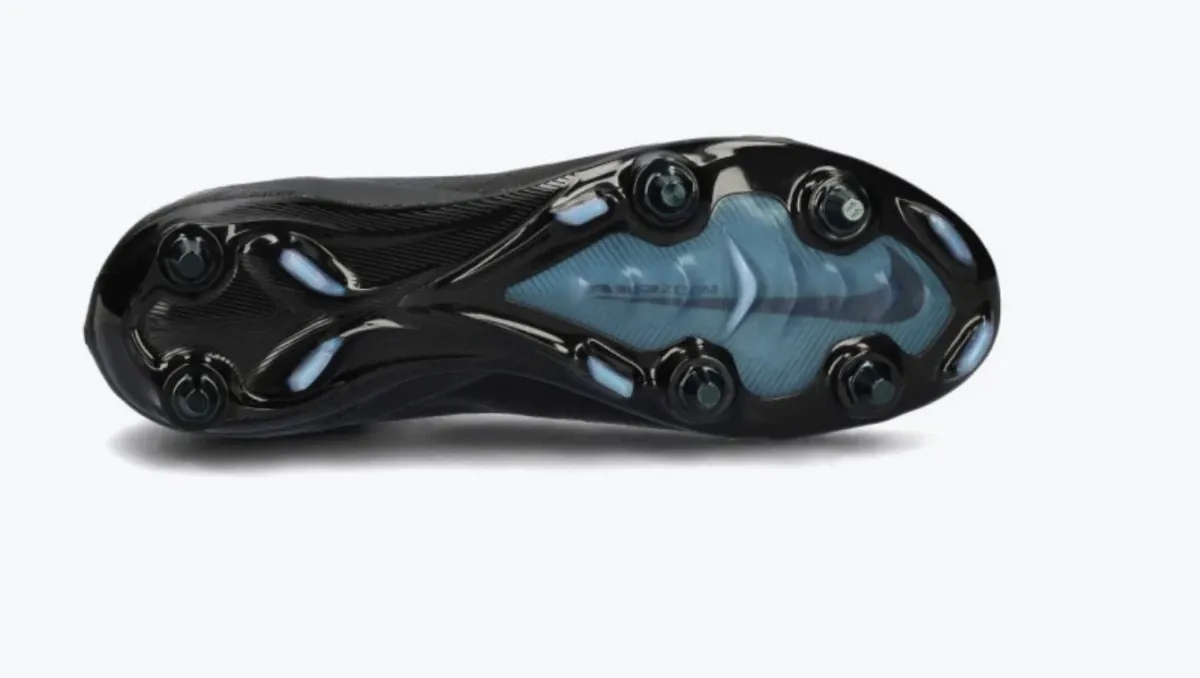
Multi‑ground boots are the most common choice in professional matches and training sessions. The ground is usually soft, but not enough to require the depth of six studs in all cases. Because they have more footholds, many players find them more comfortable. Most brands use aluminium studs, but Nike has introduced steel stud SG boots, which cannot be removed and swapped like standard studs, increasing their durability.
AG – Artificial Grass Boots
Artificial grass boots are the most suitable option for use on artificial grass pitches. They are chosen by more players every year. Typically, these boots have a greater number of shorter studs, which makes for gentler steps. Artificial grass pitches have no soil underneath, so there is no need for the longer studs used on natural grass.
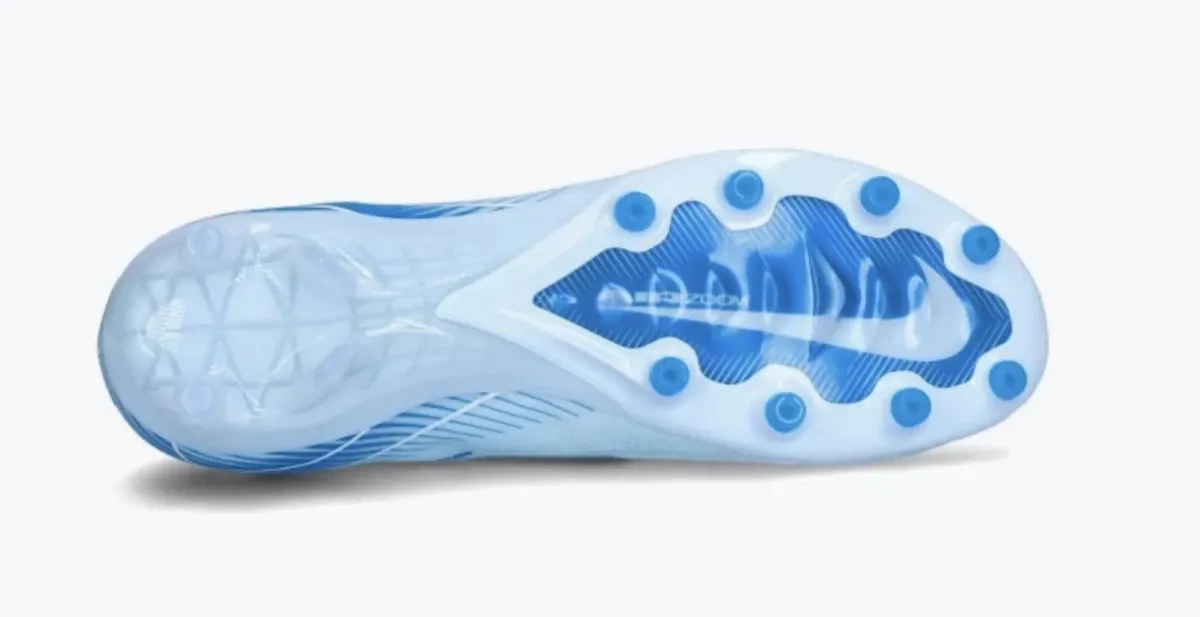
Puma in particular has released many FG/AG models recently. Because of their stud length, material, and grip, this type of sole adapts perfectly to both firm ground and artificial grass. This versatility is especially valuable for players who alternate between the two surfaces during a season.

Turf Boots
Turf boots are seen less and less today. They were originally developed for the first generation of artificial grass pitches. Turf soles have an array of studs that work well on more urban grounds.
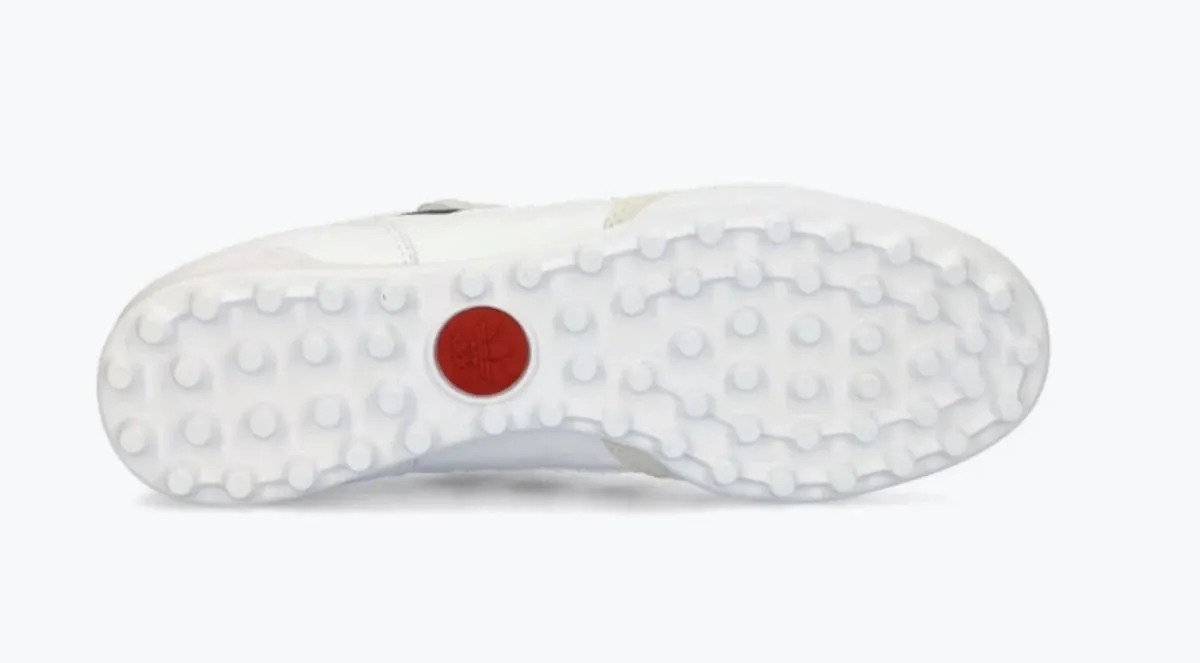
This sole offers much more support and the tread is adapted to a versatile range of surfaces: carpeted football pitches, first‑generation artificial grass, concrete, or dirt. Turf boots remain a good option for beginner players.
MG – Multi‑Ground Boots
Multi‑ground boots are designed to be suitable for as many kinds of surfaces as possible. They typically have conical studs and aim to provide athletes with infinite potential on any ground.
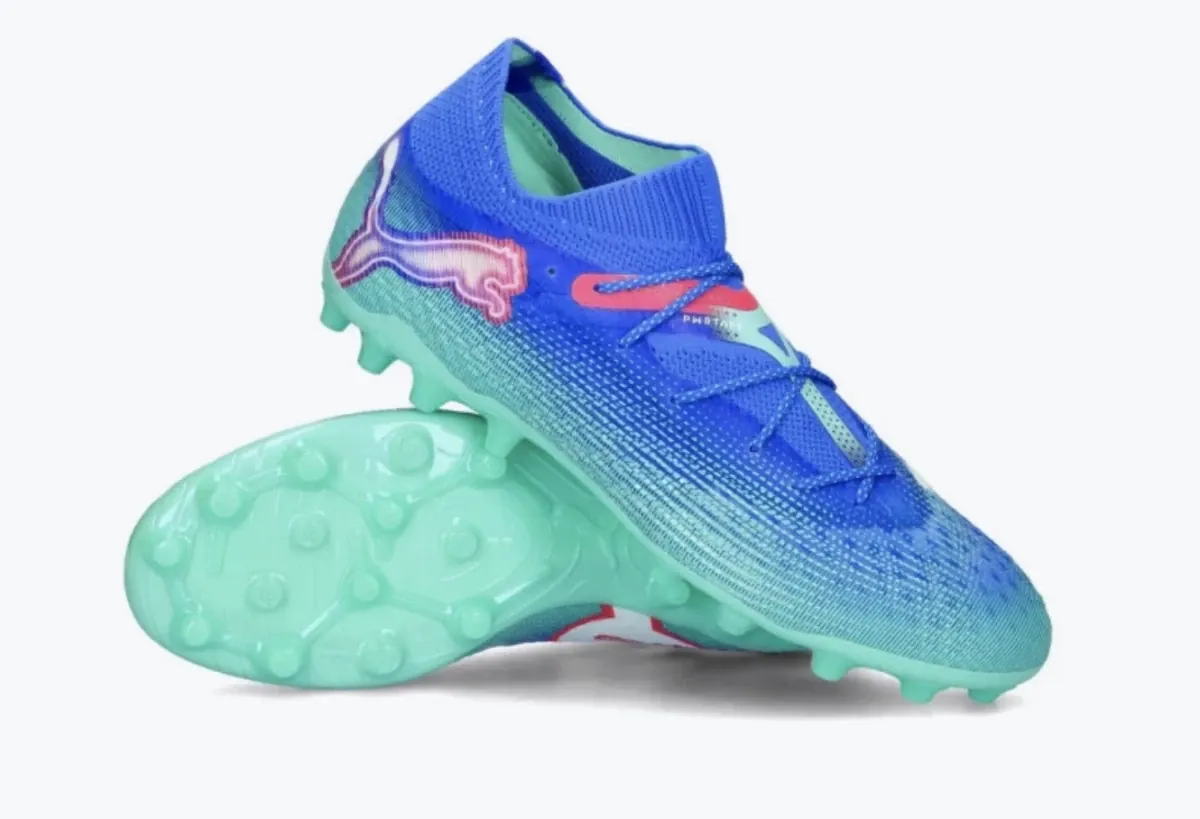
Some players find that because MG boots are often halfway between AG and FG boots, they lack useful specialisation for a single surface. Nevertheless, they are still a better alternative than some other sole types for certain surfaces or when playing on different pitches during the season.
Futsal Shoes
Cement, parquet, or the classic sports‑hall rubber floor are where futsal shoes truly shine. They are made specifically for indoor football.
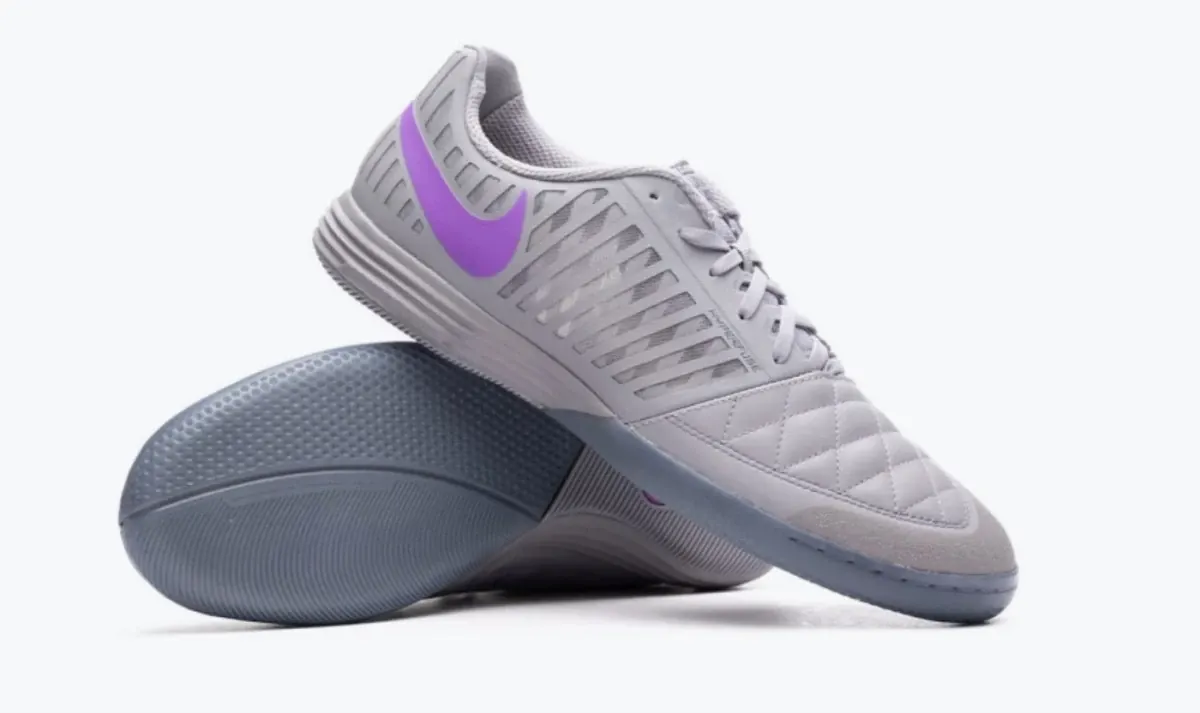
Soles designed for indoor play offer the best grip and comfort in sports facilities. However, if you play on cement, you may prefer a harder sole or even a turf sole. The Nike Street Gato models, for example, achieve a perfect balance on concrete floors.
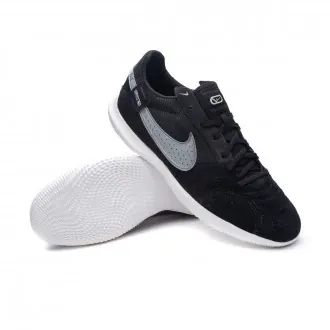
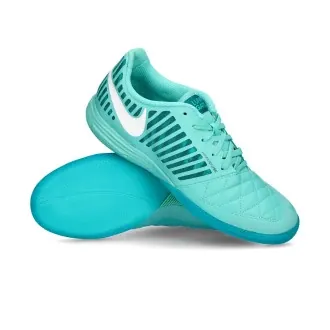
In a nutshell, these are the soles available today. We have seen significant progress on FG/AG soles, more changes in aluminium studs, and even anti‑mud soles. There is really no excuse to make a poor boot sole choice.
Related search topics
- types of football shoes soles
- what is the best material for football boots
- what is a cleated sole
- football boot types explained
 WhatsApp
Looking for affordable football boots and jerseys made in China?
Message us on WhatsApp at +86 151 6027 2505, or find us on Instagram at @luxurycoca.
 Instagram