How to Repair Goalkeeper Gloves: Practical Tips for Common Damage
Goalkeeper gloves are among the most fragile items in sports equipment, as they combine natural materials and endure heavy wear. While some functional patc
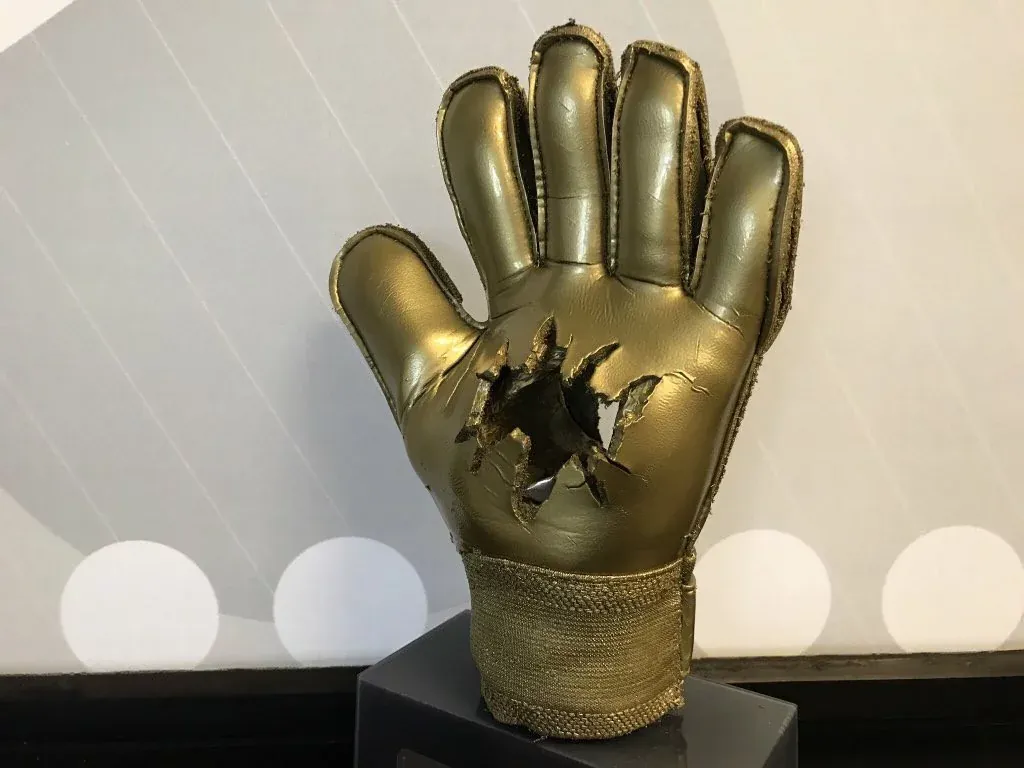
Goalkeeper gloves are among the most fragile items in sports equipment, as they combine natural materials and endure heavy wear. While some functional patches can help in an emergency, a repaired glove will never perform as well as a new one. This guide covers the most common issues—ripped seams, worn Velcro, and broken latex—and what you can realistically do about them.
Ripped Seams
The first problem players often notice is broken seams, particularly in the fingers or thumb joints. A simple seam mend usually works well, but it’s important to understand why the seams failed in the first place. Ripped seams typically indicate that the glove size was incorrect.

When you choose a glove that is too tight, excessive pressure builds up in the seam area. Even after a repair, the stitching is likely to come loose again after two or three uses—either in the same spot or in another. To avoid this, make sure you select the right size for your next pair. If you are unsure about your size, refer to a dedicated guide on how to determine goalkeeper glove size.
Worn Out Velcro
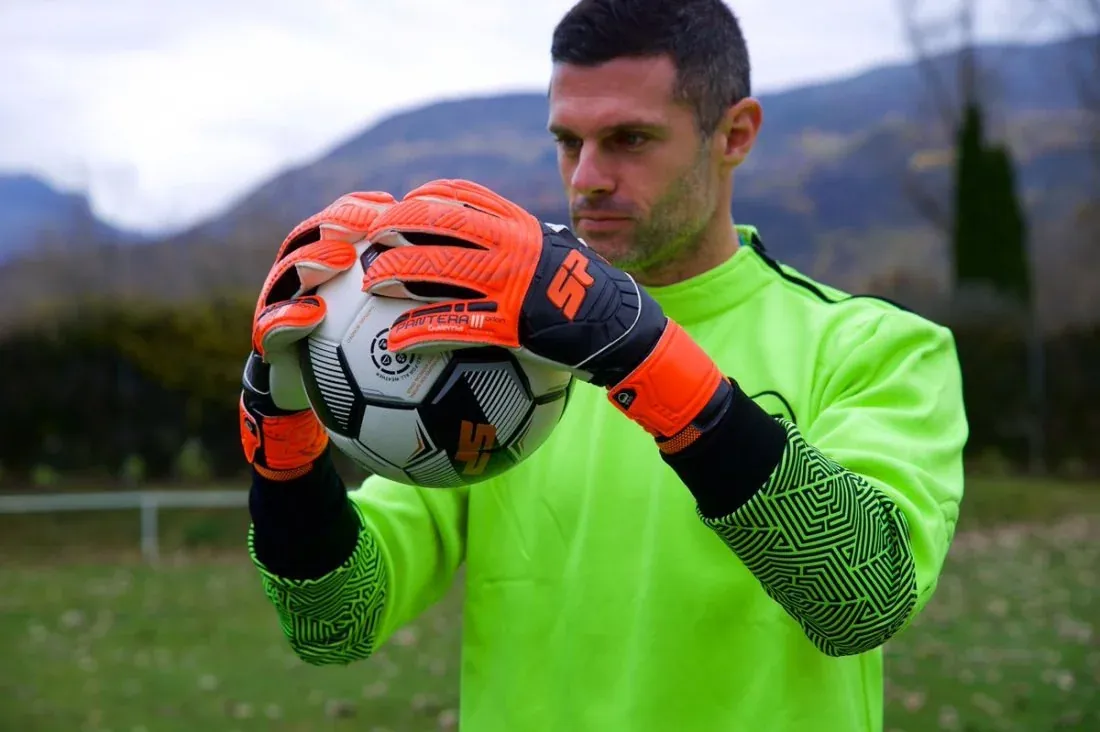
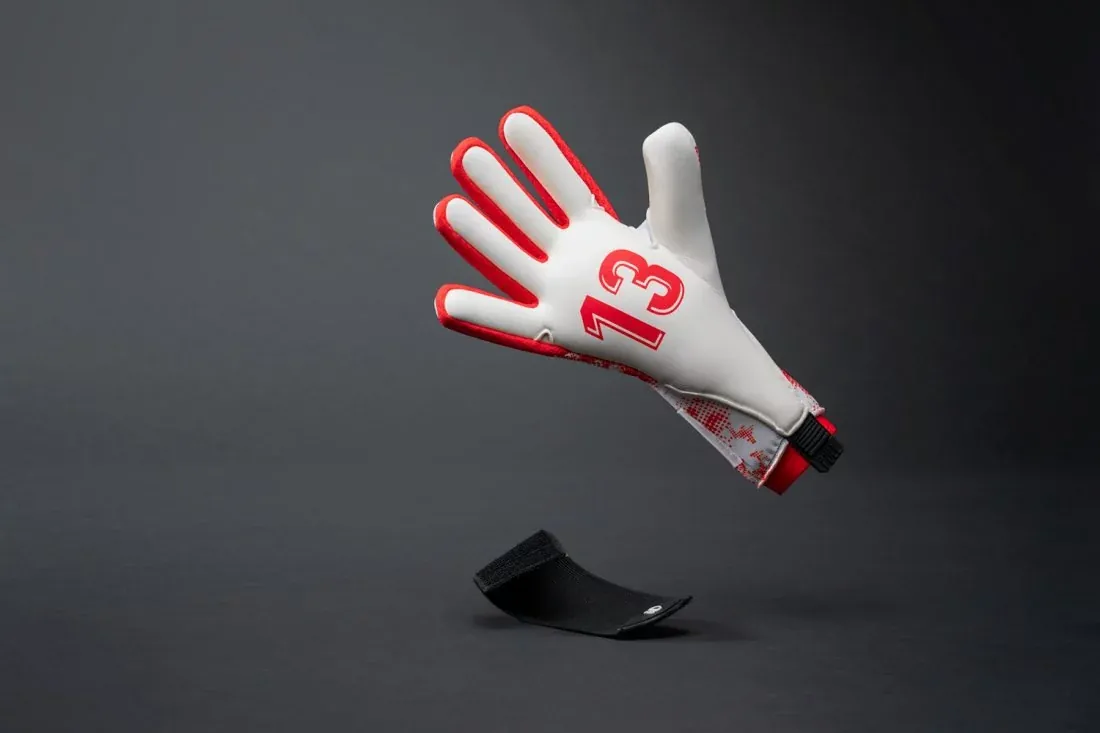
Another issue that often goes unnoticed until game day is wear on the Velcro strip. Over time and with repeated use, the hook-and-loop material loses its grip. Fortunately, the solution is straightforward: you can simply sew new Velcro onto both parts of the strap.
Broken Latex and Holes
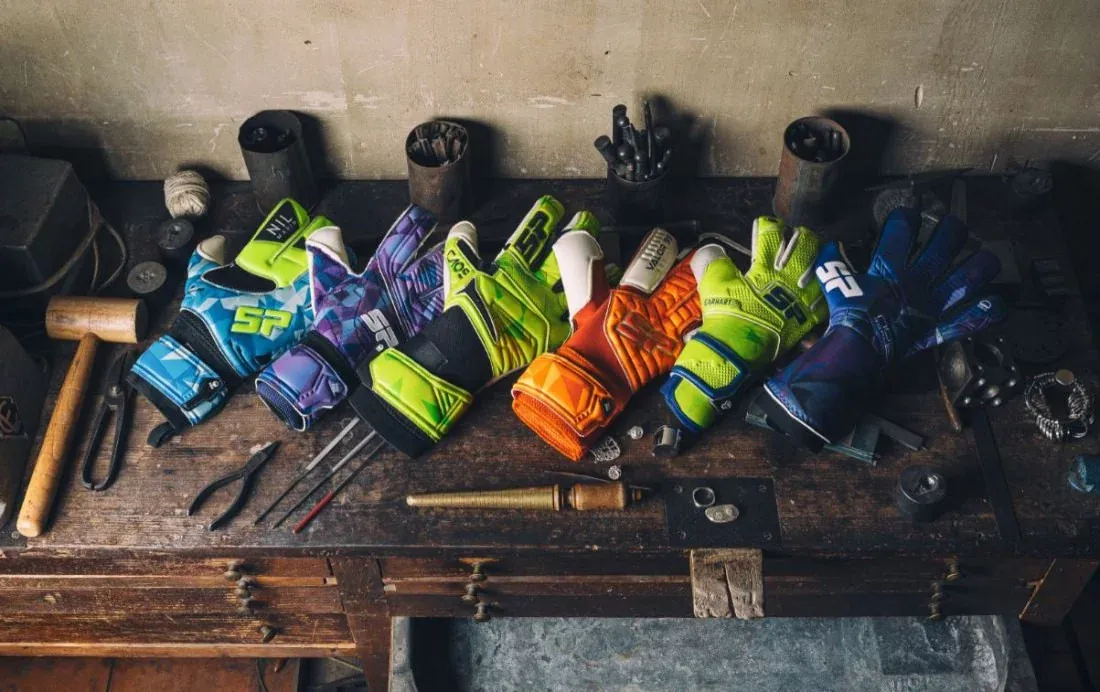
The most common and concerning problem is damage to the latex itself—wear, tearing, or holes. Some players try patches made of foam, leather, or another layer of latex, but in practice these do not work well. In an emergency, you can use glue and recycle an old palm to create a patch over the worn area, which might save you for that one match. However, this is not a long-term solution.
Using a non-latex material will compromise grip, and even a patch from another old or cheaper palm won’t match perfectly due to the glue. The surface feel and performance are never the same. So, while a makeshift patch can get you through a game, for future matches it is usually better to invest in a new glove.
Conclusion
These three tips can help you repair your goalkeeper gloves in a pinch, but the last method—latex patching—is really only for emergencies. The cost of glue and the effort of recycling an old palm may end up being similar to or greater than buying a new pair. If you want your gloves to last, focus on proper maintenance, regular cleaning, and correct sizing. Have you ever repaired your gloves at home with a method that worked for you?
Related search topics
- Can goalkeeper gloves be repaired football guide
- Can goalkeeper gloves be repaired latest updates
 WhatsApp
Looking for affordable football boots and jerseys made in China?
Message us on WhatsApp at +86 151 6027 2505, or find us on Instagram at @luxurycoca.
 Instagram