Iconic Footballs That Defined the 1990s and Shaped a Generation
For anyone who grew up in the 1990s, football was more than a game—it was a part of daily life, from schoolyard kickabouts to weekend matches. The balls of
For anyone who grew up in the 1990s, football was more than a game—it was a part of daily life, from schoolyard kickabouts to weekend matches. The balls of that era carried a distinct character: durable, memorable designs that sparked joy and rivalry in equal measure. While today’s market floods with limited editions, the 90s gave us footballs that left a lasting mark. Here’s a look back at the most unforgettable models that defined the decade.
A Decade of Design and Durability
The 90s saw football technology evolve rapidly, but the real magic was in the look and feel of each ball. Brands like adidas and Nike pushed boundaries, creating spheres that were as iconic as the players who kicked them. From tournament match balls to neighbourhood favourites, these footballs became symbols of childhood summers, birthday wishes, and endless hours of play.
Iconic Footballs That Defined the 1990s
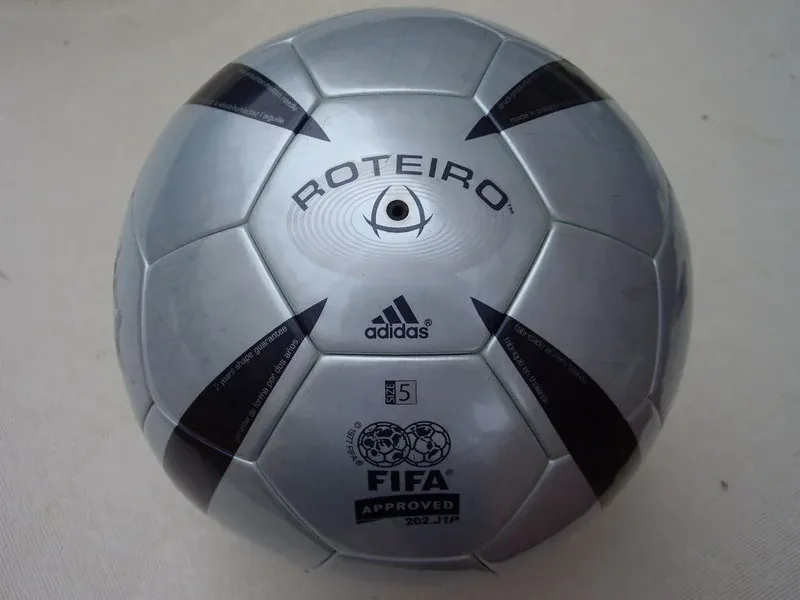
adidas Roteiro
Introduced for Euro 2004 in Portugal, the Roteiro means “road map” in Portuguese, referencing the voyages of explorer Vasco da Gama. For the first time in a major tournament, every match ball was personalised with team names, date, stadium, and centre‑circle coordinates. Its silver design and advanced panel bonding made it a standout.
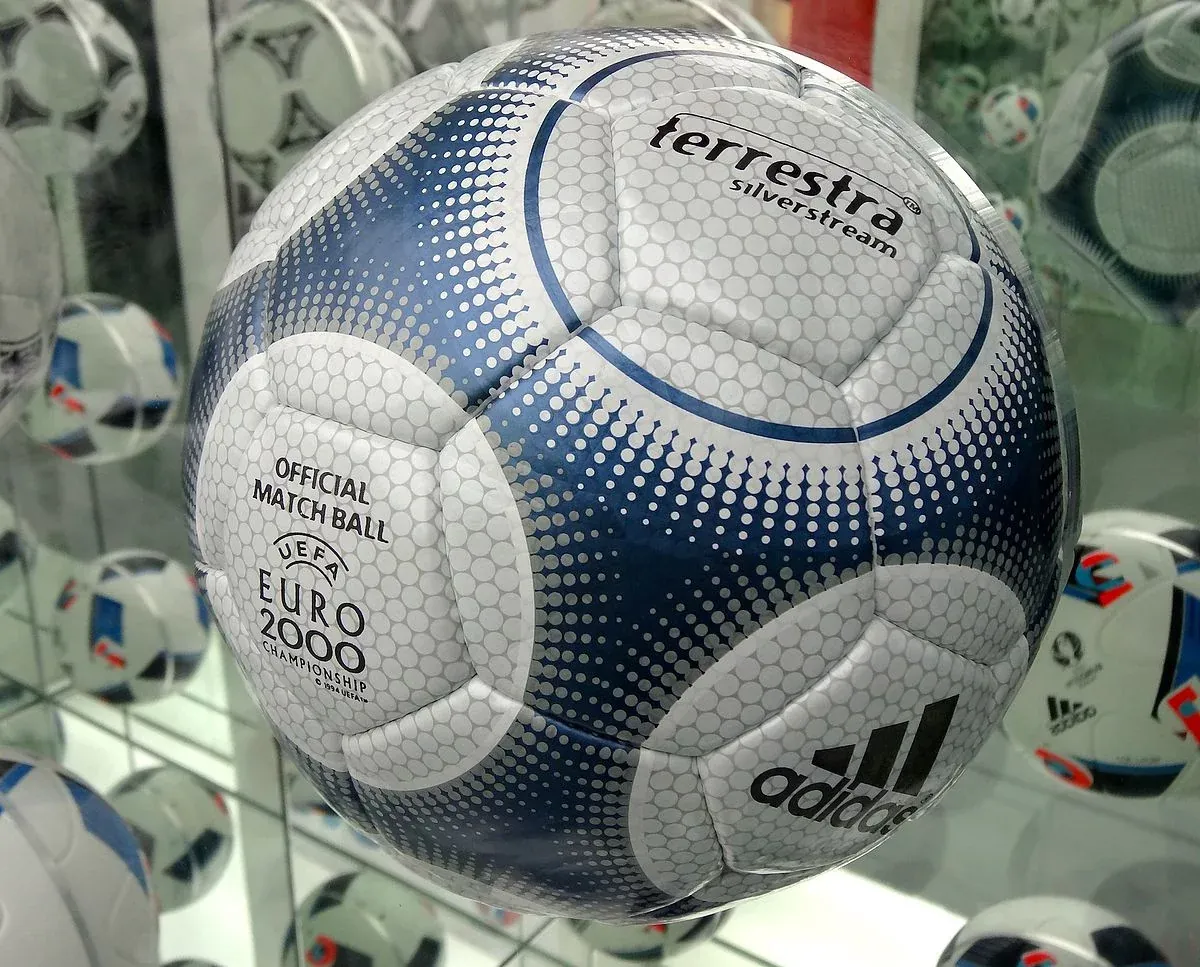
adidas Terrestra
Euro 2000, co‑hosted by the Netherlands and Belgium, featured the Terrestra. It marked a technological leap for adidas with a softer outer layer that improved touch, control, and accuracy.
Nike Geo Merlin
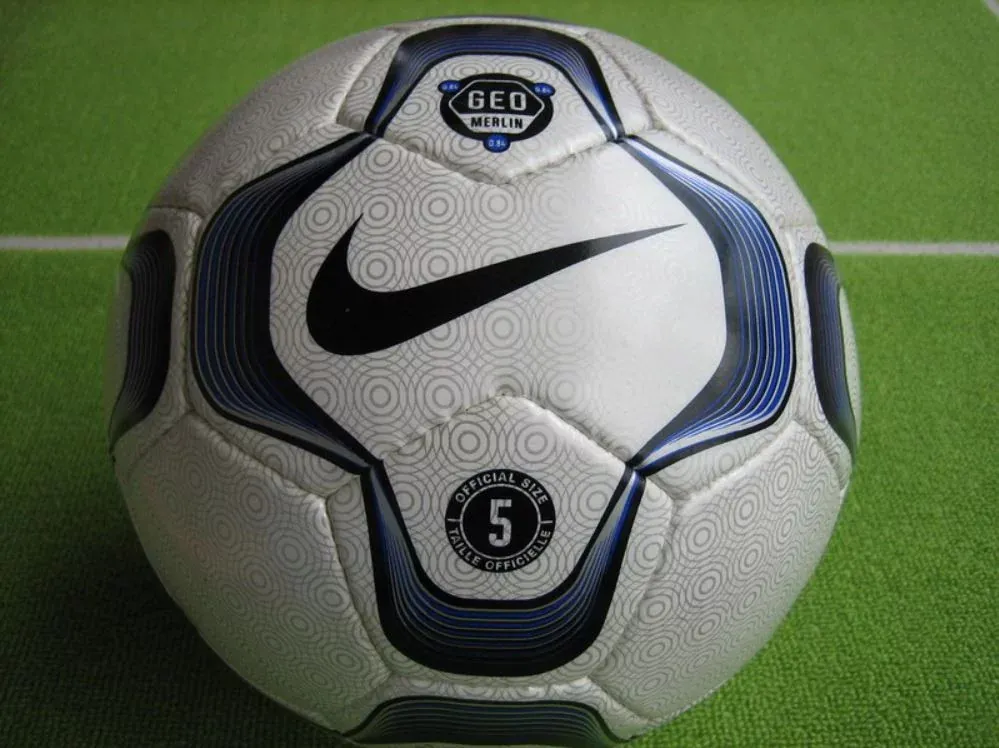
Ahead of the 2000‑2001 season, Nike launched the Geo Merlin—a radical departure from classic designs. Blue dominated, with circular lines and silver accents. It stayed in use for three seasons and broke the mould of previous balls.
Nike Joga Bonito
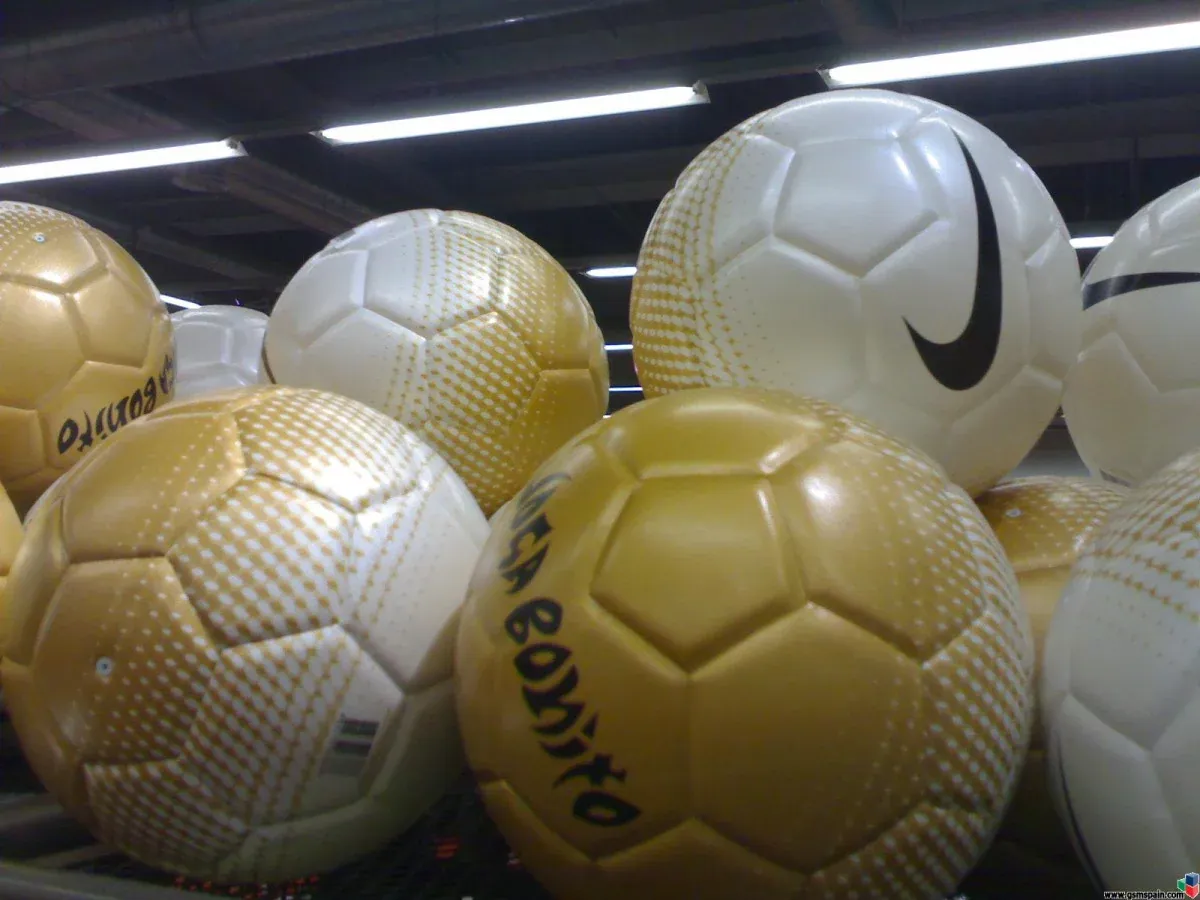
The Joga Bonito campaign symbolised football’s magic, with Eric Cantona as its face. The white‑and‑gold ball never appeared in a top league, yet it became an icon through unforgettable adverts featuring stars like Ronaldinho, Cristiano Ronaldo, and Zlatan Ibrahimović.
adidas +Teamgeist
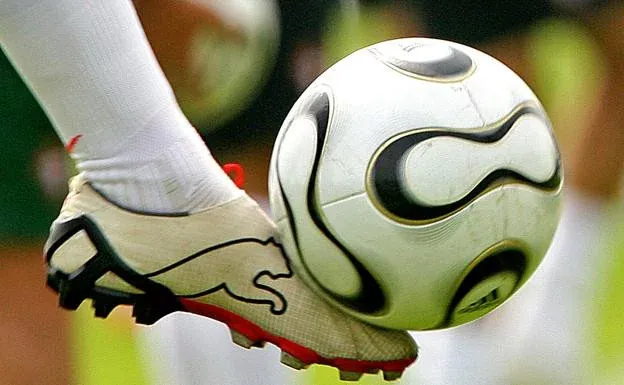
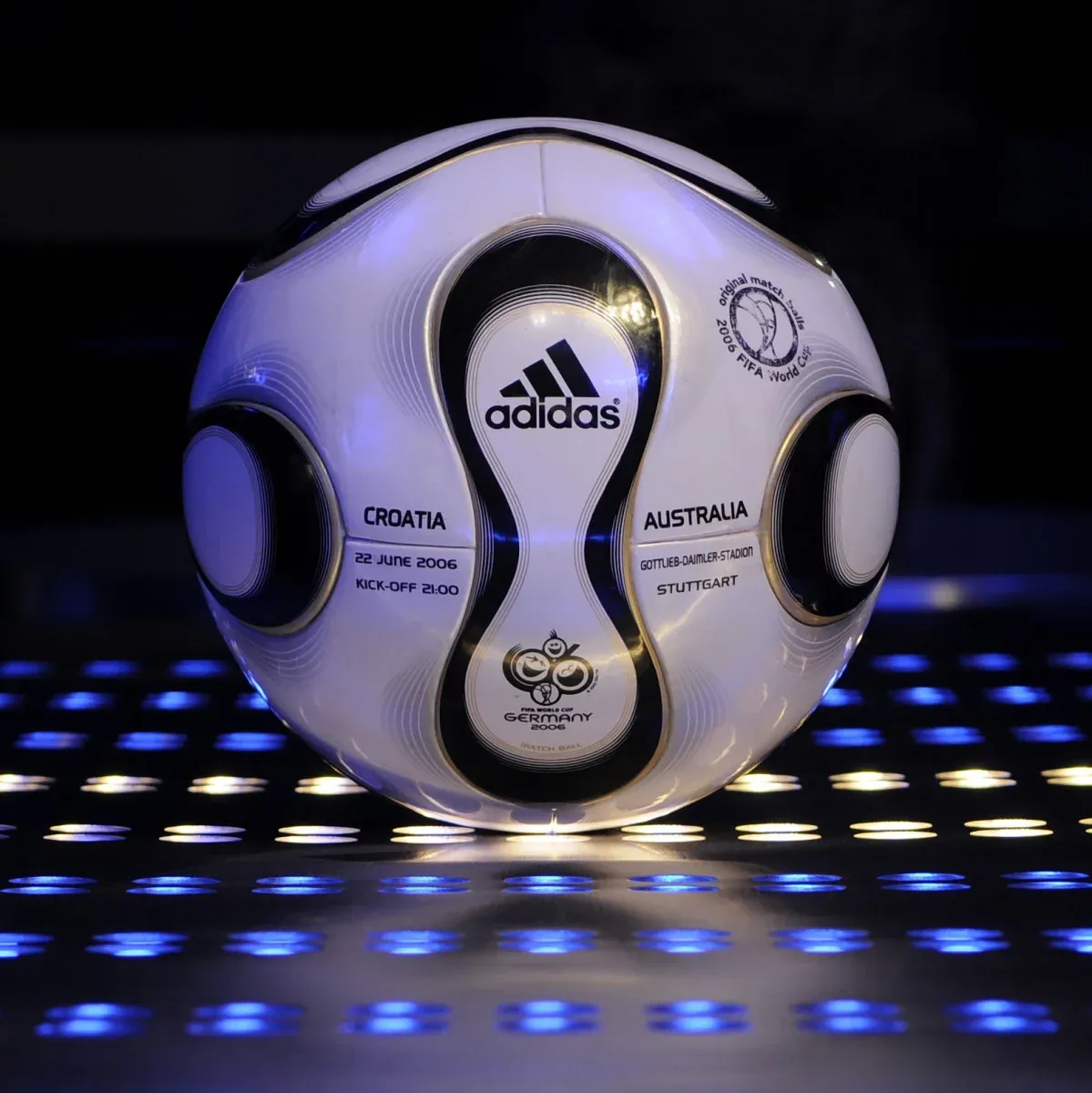
For the 2006 World Cup in Germany, adidas revolutionised ball construction. The +Teamgeist (German for “team spirit”) featured only 14 panels instead of the traditional 32, reducing contact points by 60%. Sealed panels eliminated water absorption, keeping weight and shape consistent in any condition. Each ball was uniquely marked with match details.
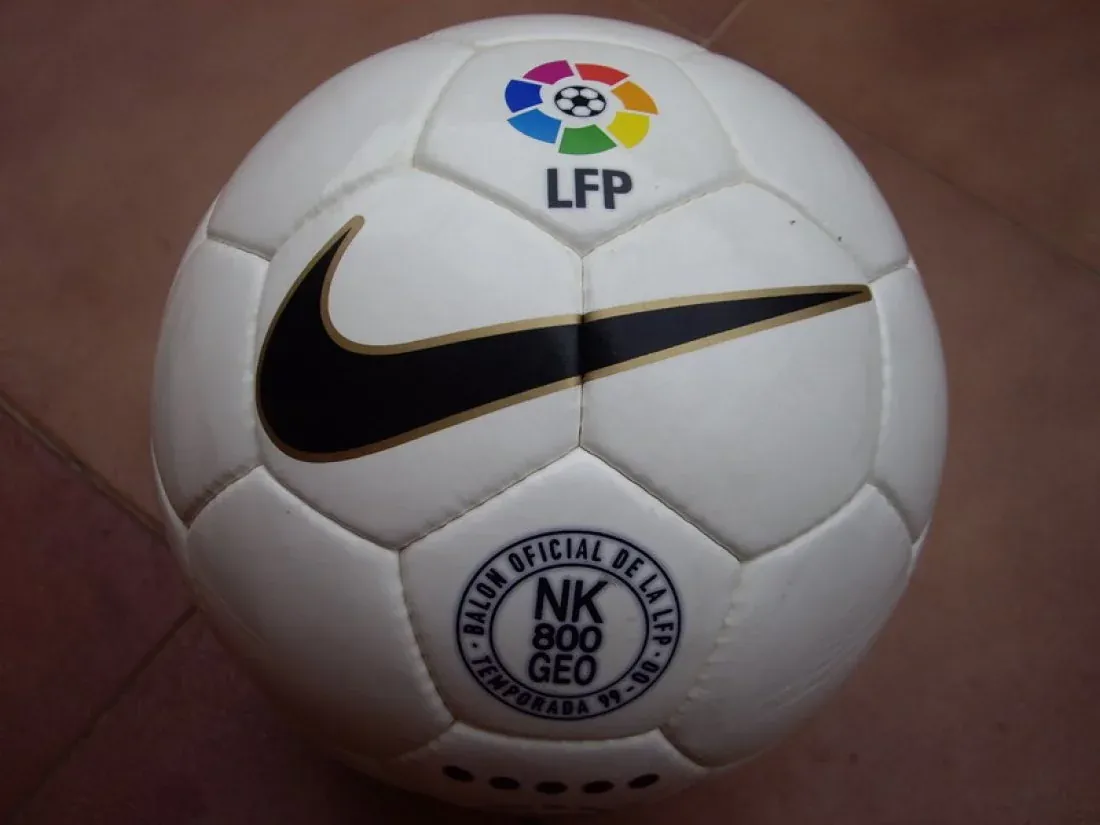
Nike NK 350 GEO
In 1996, Nike became the official ball supplier for the Spanish league. The NK 350 GEO was pure simplicity: a white ball with a black Swoosh and red accents. Priced around 8,000 pesetas, it was a revolution that lasted only one season, but its clean design left a lasting impression.
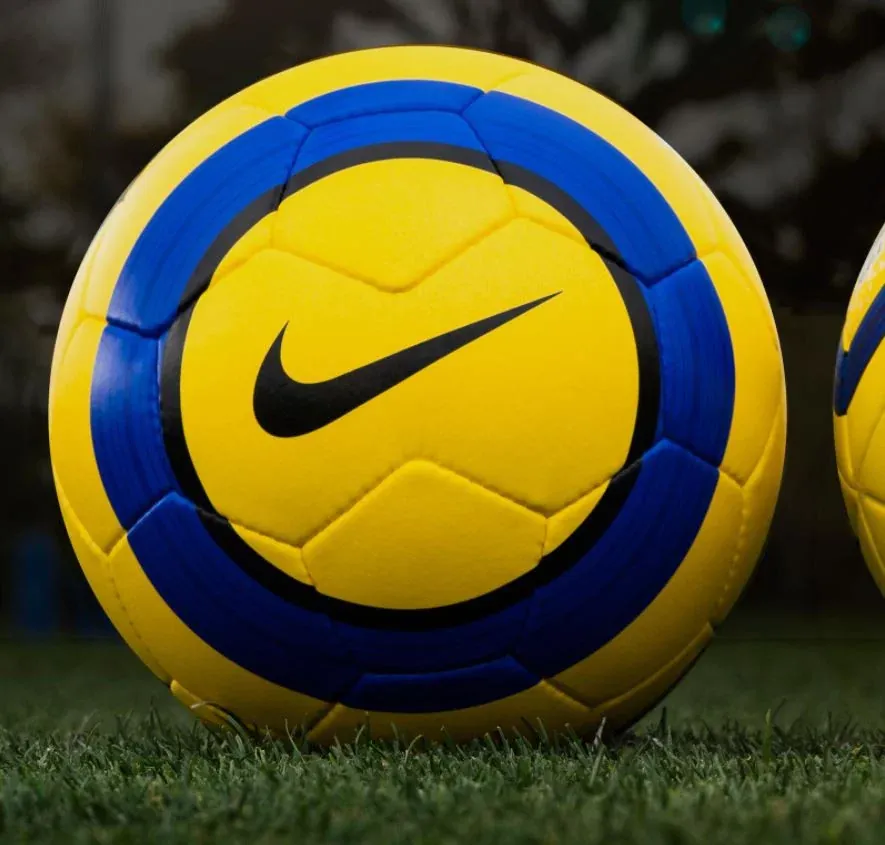
Nike Hi‑Vis Aerow T90
The yellow version of the T90 became an instant classic. It was the first mandatory high‑visibility model, used in Spain and England (as the official Premier League ball). For many, this ball is the ultimate childhood symbol.
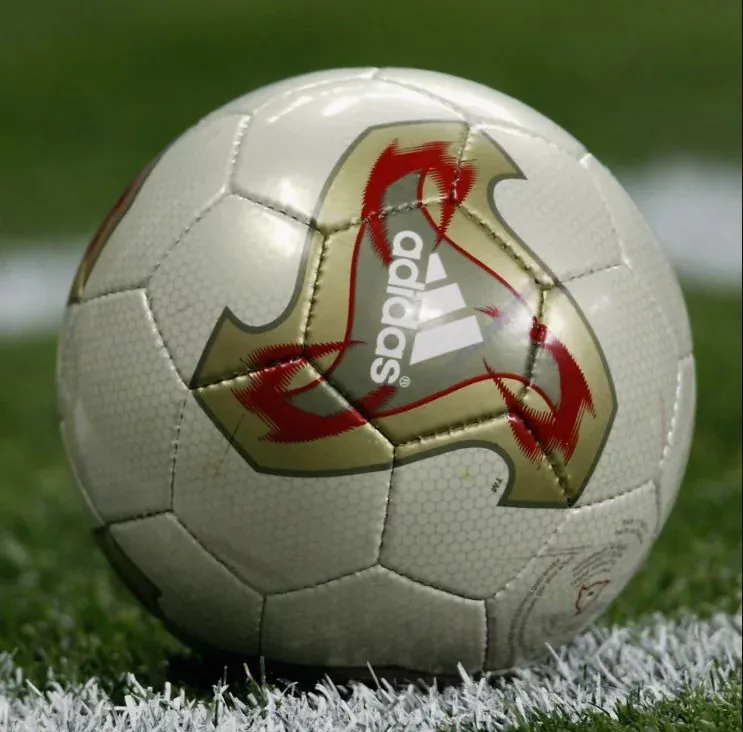
adidas Fevernova
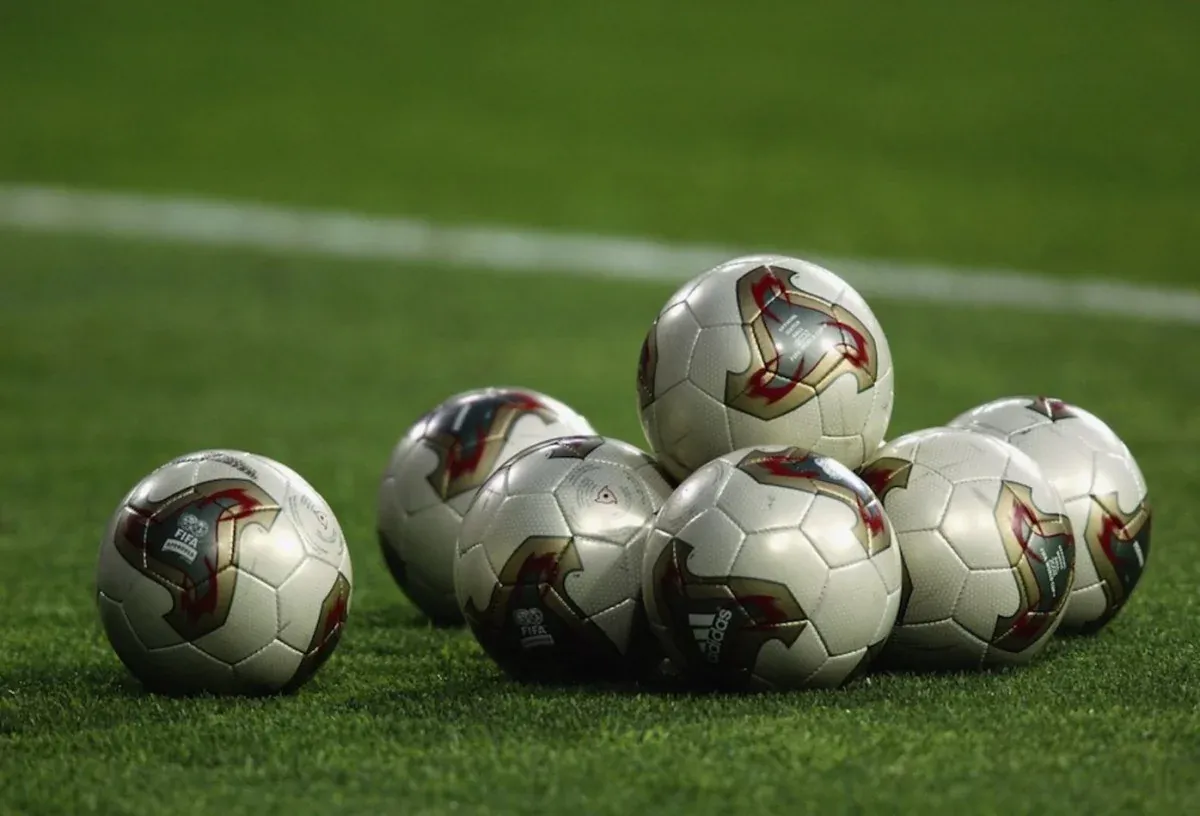
The 2002 World Cup in Korea and Japan brought the Fevernova, inspired by Asian innovation and turbine design. Its refined foam layer and three‑layer woven shell promised a precise, predictable flight. Despite initial criticism, players loved it.
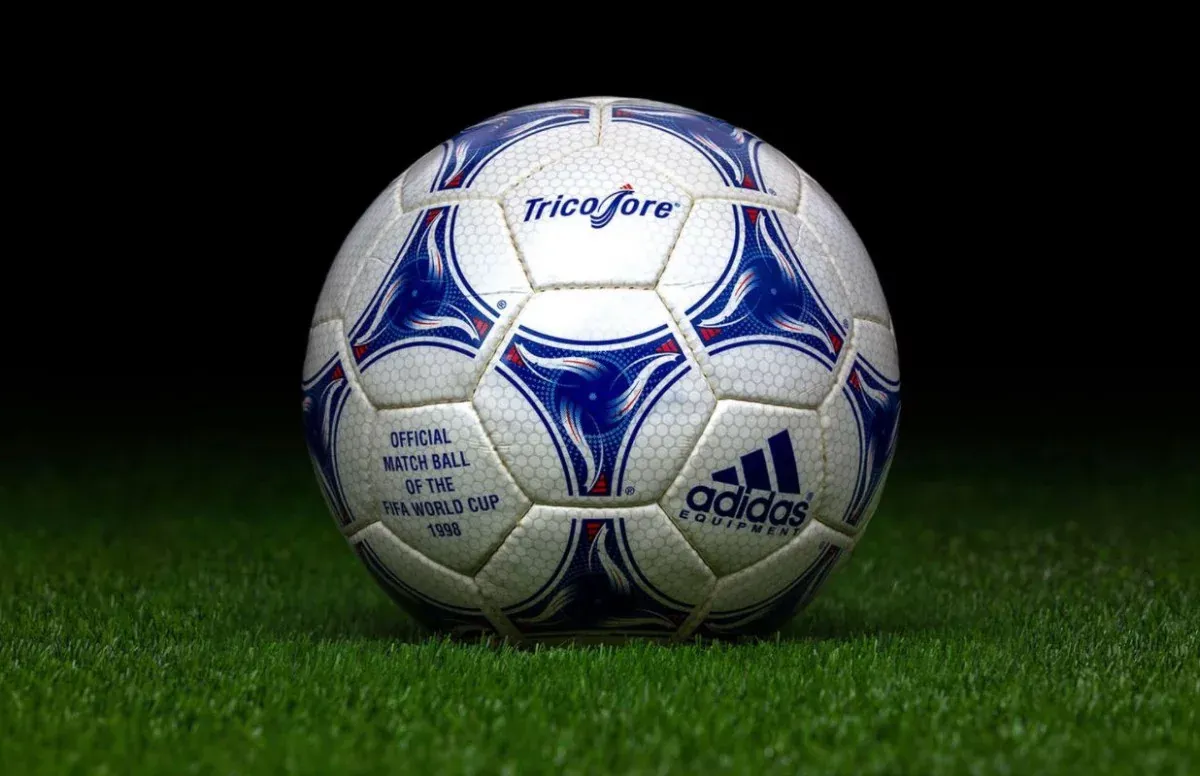
adidas Tricolore
The 1998 World Cup ball in France featured the tricolour flag and rooster motifs. It marked a shift in manufacturing—production moved to countries like Morocco, Pakistan, and Thailand. Technologically, it introduced a synthetic foam layer for better durability and response.
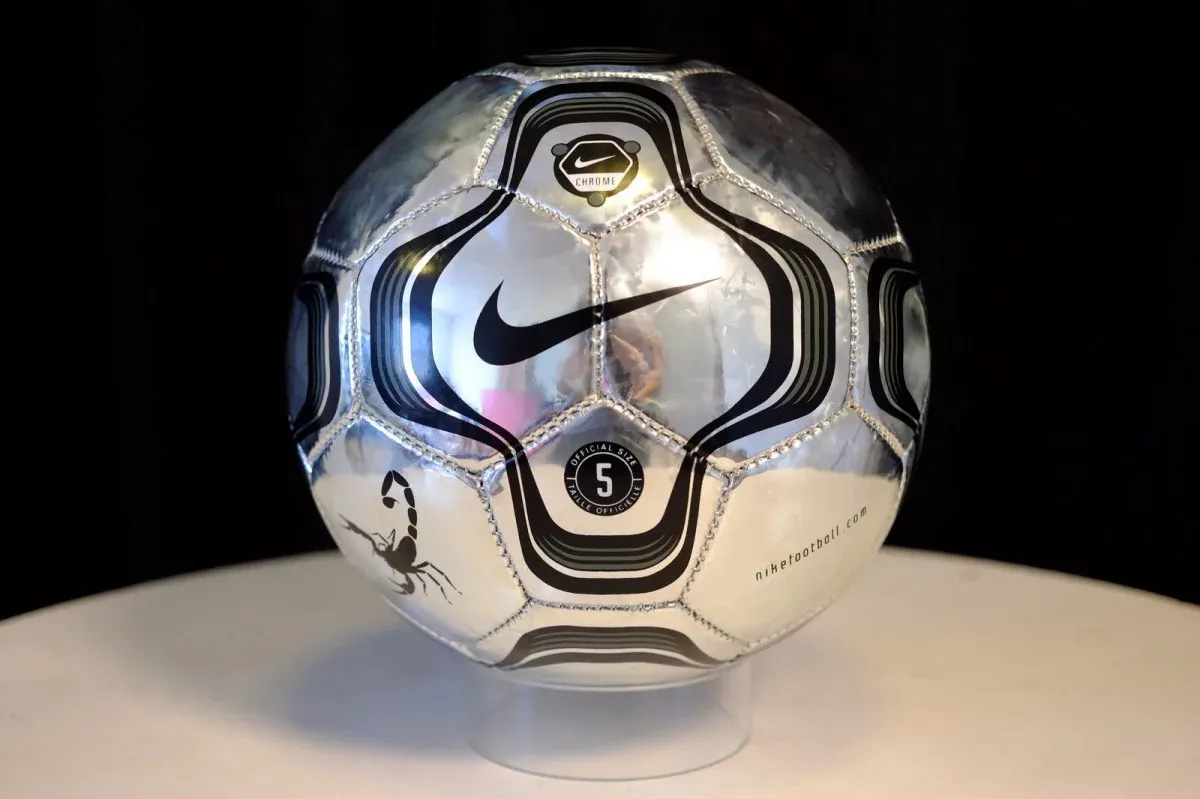
Nike Scorpion
The Scorpion appeared in Nike’s famous cage advert with Eric Cantona, set to Elvis Presley’s “A Little Less Conversation”. Its silver finish was a sensation, sharing design cues with the Geo Merlin but carrying a completely different vibe.
Mikasa FT5
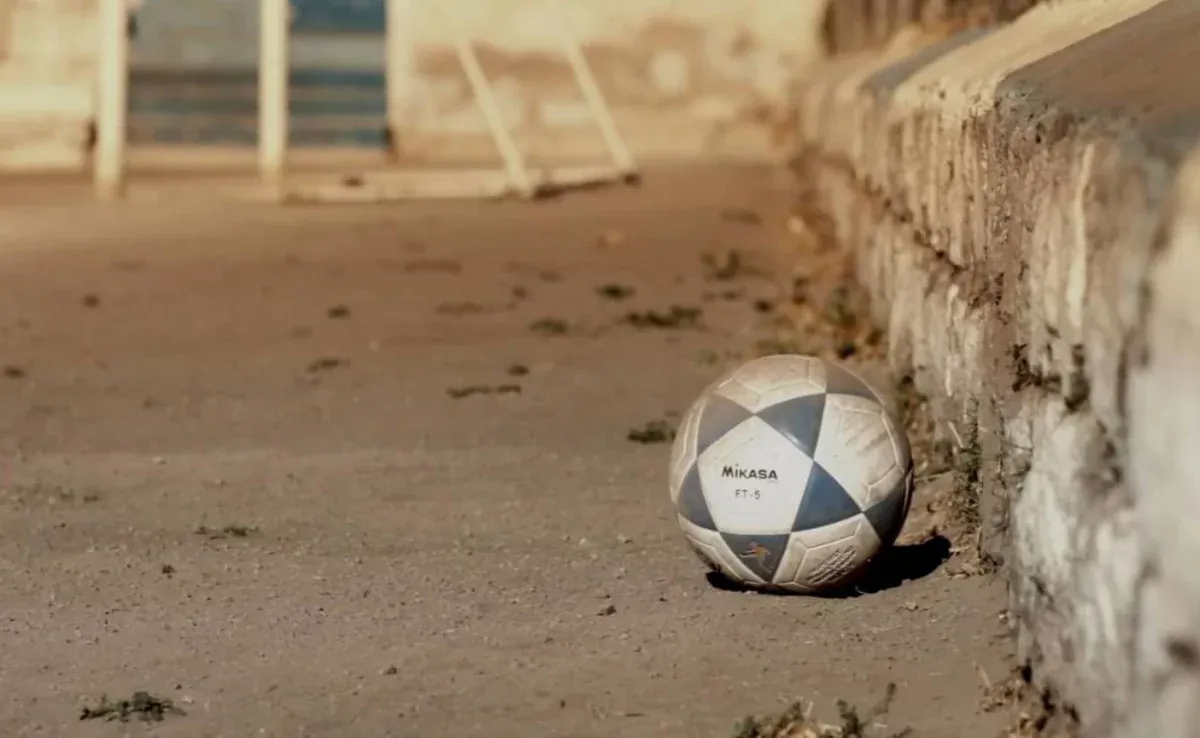
The Mikasa was a ball like no other—unforgiving, unpredictable, and legendary. It frustrated players with its hard surface, making chest controls and headers painful, but it taught resilience. For many, the Mikasa defined amateur football and remains a beloved relic of the 90s.
A Final Kick
This list could go on—many other footballs from the 80s and 90s deserve a nod. But these twelve capture the spirit of an era when a ball was more than equipment; it was a friend, a challenge, and a memory. Which one did you grow up with?
Related search topics
- If you grew up in the 90s you had one of these balls football guide
- If you grew up in the 90s you had one of these balls latest updates
 WhatsApp
Looking for affordable football boots and jerseys made in China?
Message us on WhatsApp at +86 151 6027 2505, or find us on Instagram at @luxurycoca.
 Instagram