Spain's World Cup Jerseys: A Complete Historical Evolution
Explore the rich history of Spain's national team kits, from their first World Cup appearance in 1934 to the modern retro-inspired design for Qatar 2022. T
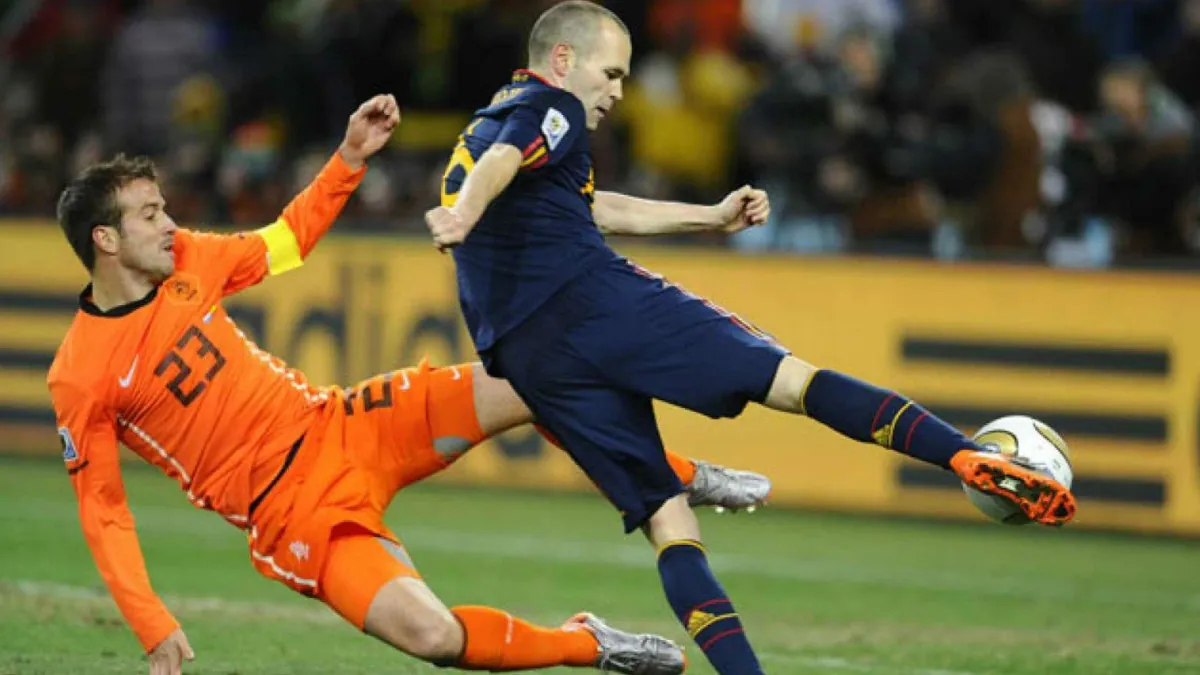
Explore the rich history of Spain’s national team kits, from their first World Cup appearance in 1934 to the modern retro-inspired design for Qatar 2022. This article charts every significant jersey change across the tournament timeline.
The Early Years: 1934–1962
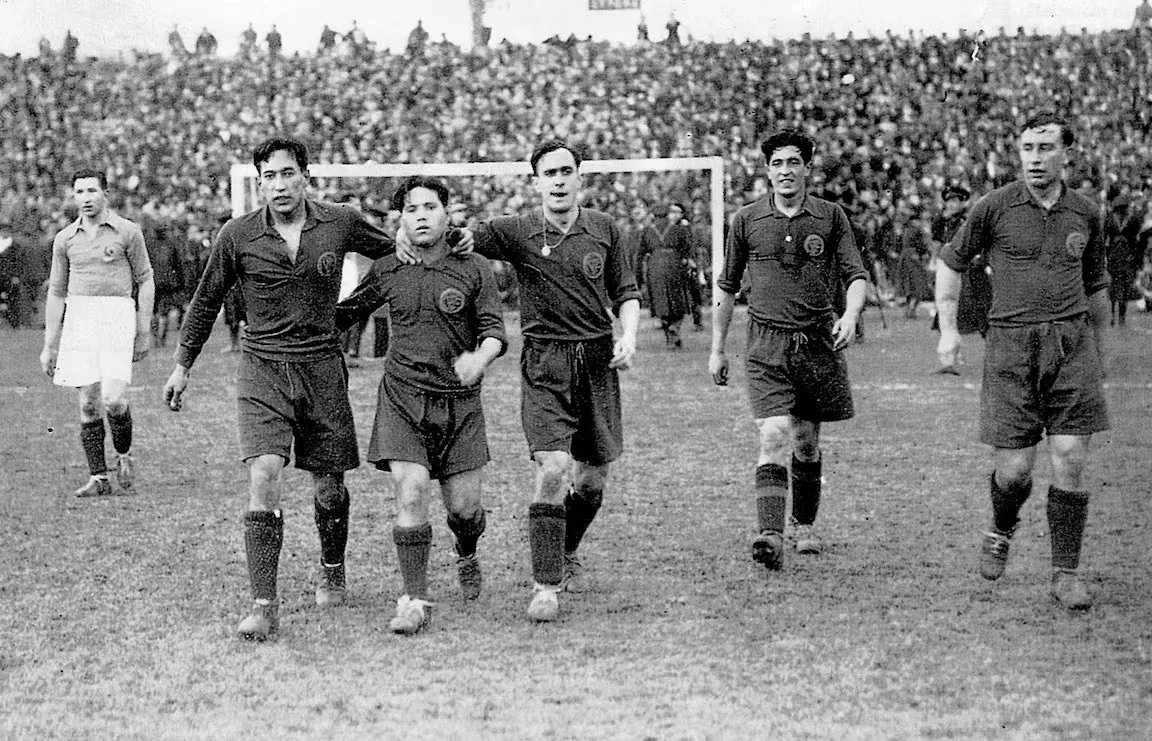
Spain debuted at the World Cup in 1934, having boycotted the 1930 tournament. The jersey worn that year was red — a colour not used in previous designs, which had included an unpopular white kit.
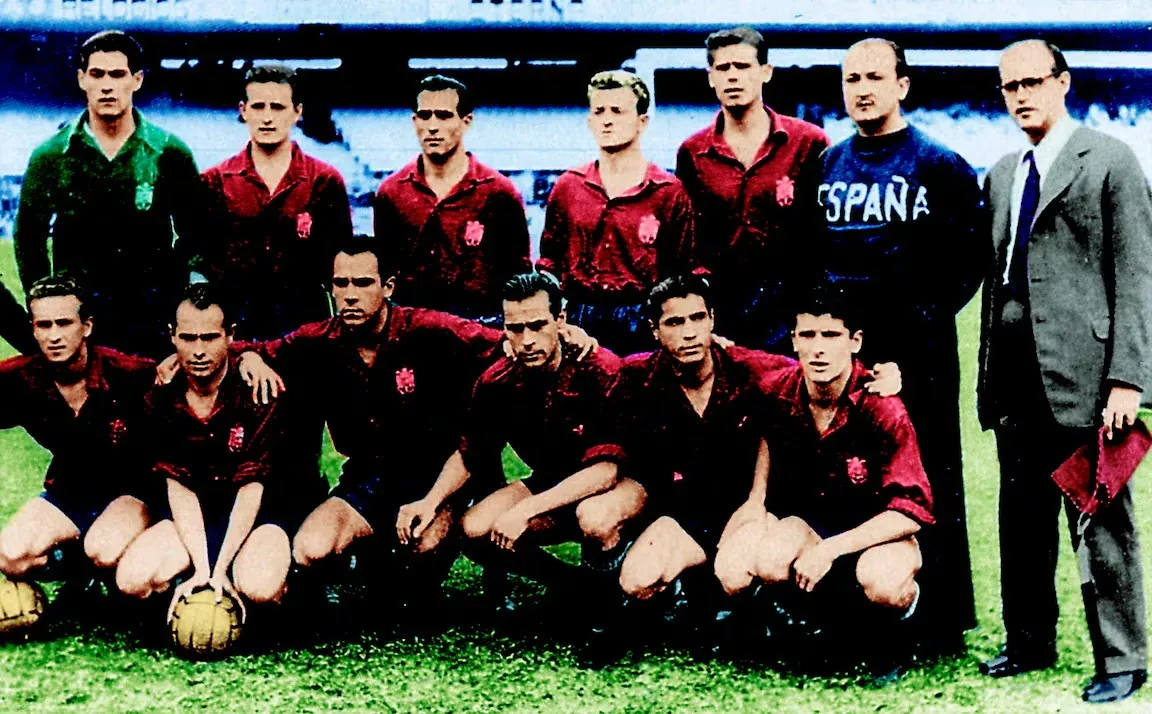
At the 1950 World Cup in Brazil, where Spain finished fourth in the famous “Maracanazo” tournament, the team wore a simple red button-up jersey, typical of the era.
For the 1962 World Cup in Chile, a new red jersey appeared. It dispensed with buttons in favour of a round neckline, a notable improvement over earlier designs.
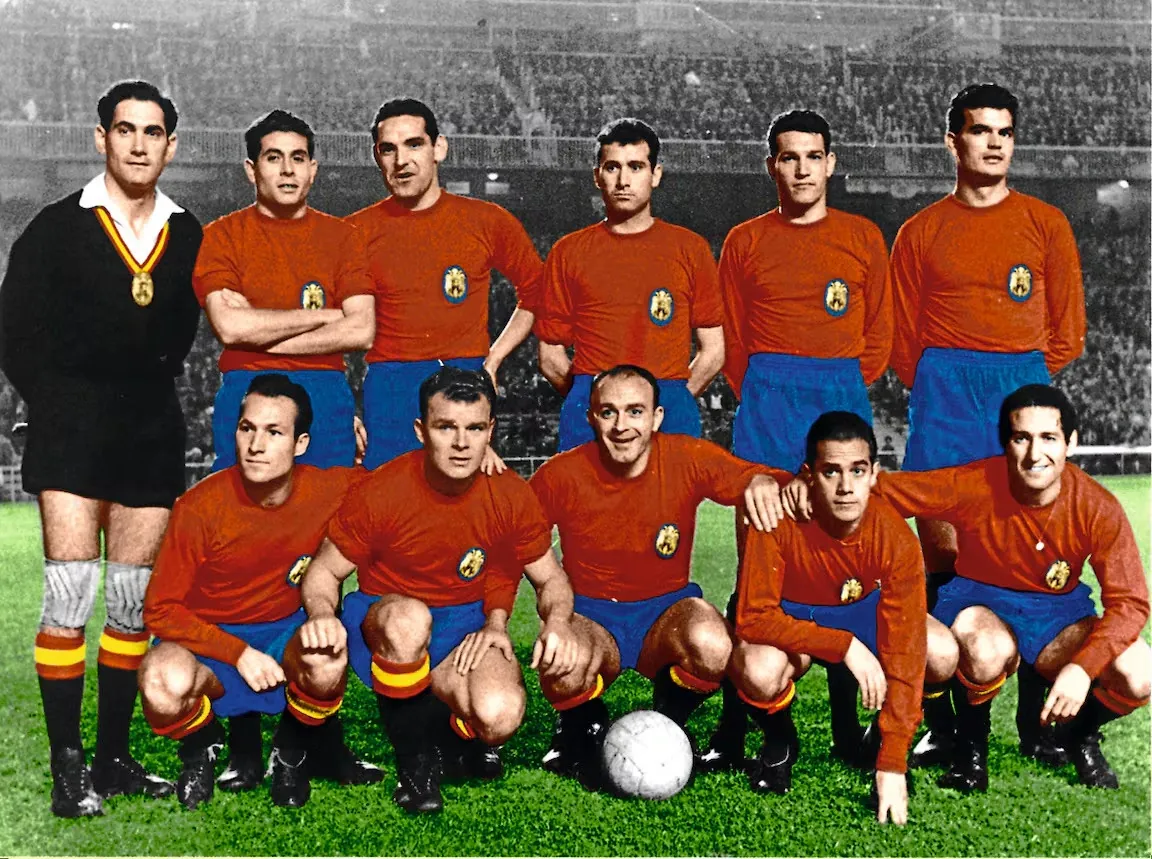
A Long Period of Consistency
This basic red jersey design remained largely unchanged for more than 20 years. Only minor variations in the shade of blue of the shorts or small details were altered. The same style of kit was also worn by England in 1966 and Argentina in 1978.
The Modern Era Begins: 1982–1990
The 1982 World Cup, hosted by Spain, saw Adidas take over jersey design. The new shirt featured an Adidas polo-style collar and a fresh crest, quickly becoming a bestseller.
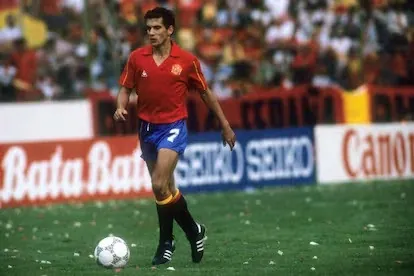
For the 1986 World Cup in Mexico, Le Coq Sportif supplied the kit. The jersey was a slightly darker shade of maroon, with subtle yellow detailing, paired with blue shorts and black socks — very much a design of its time.
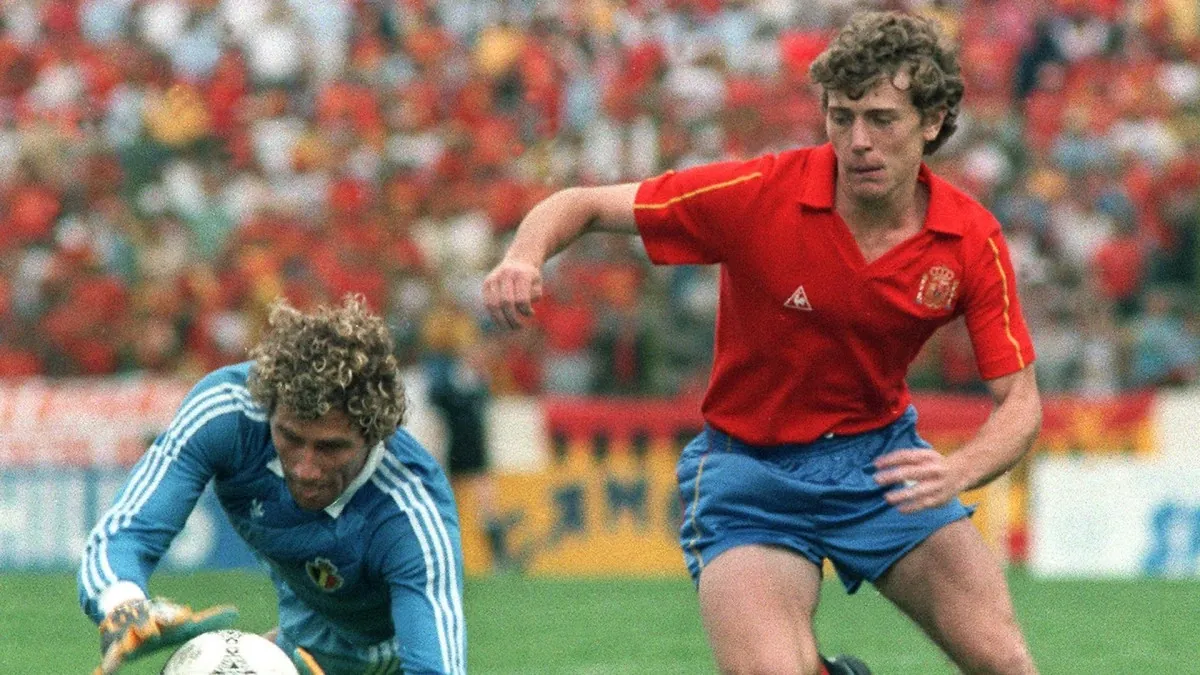
Italy 1990 brought a more innovative approach: a V-neck reminiscent of the earliest kits, combined with a yellow stripe and a return to the polo neck. This stylish design helped Spain reach the round of 16.
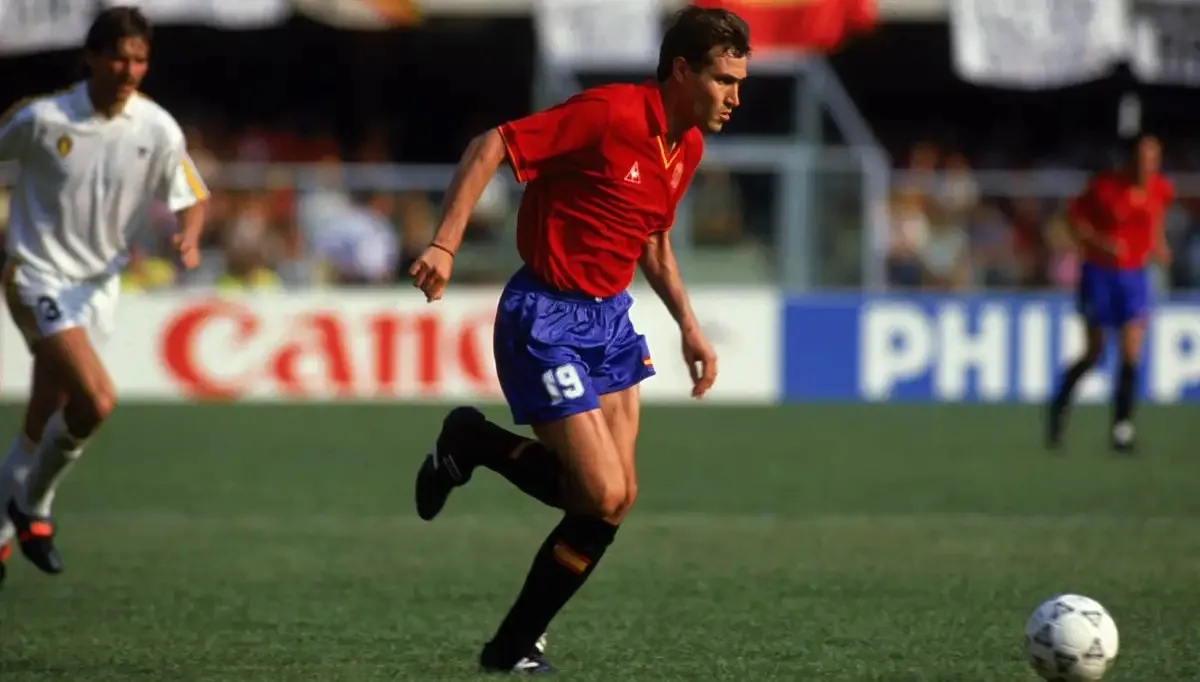
Bold Designs: 1994–2002
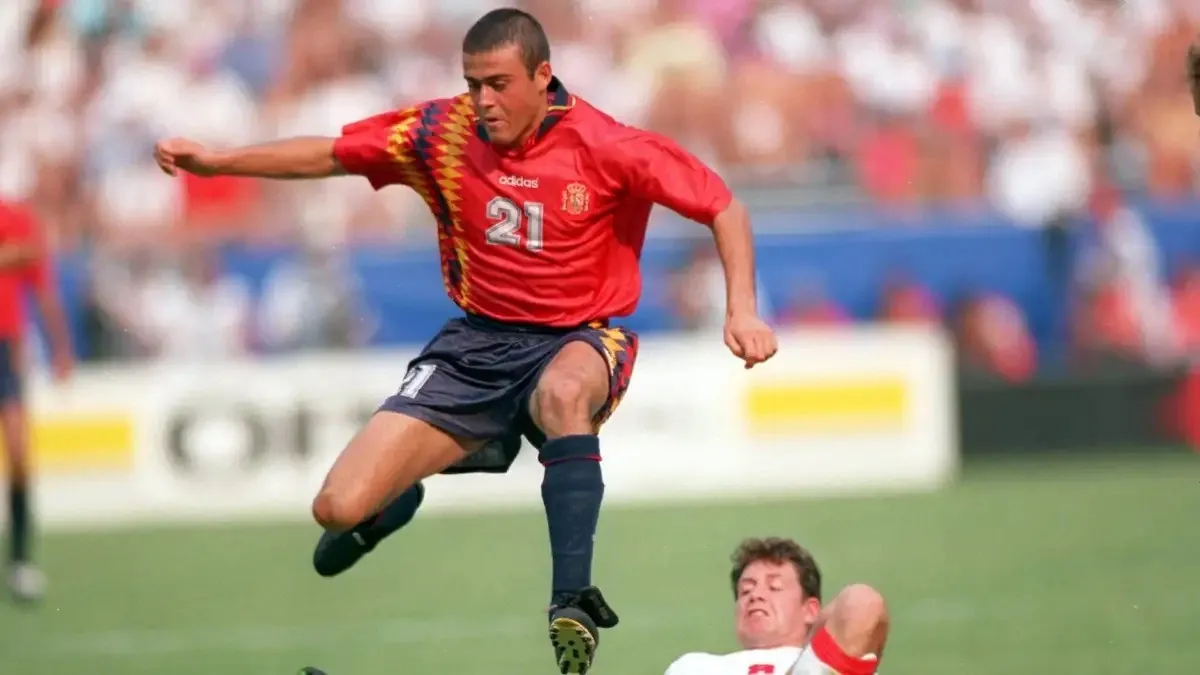
At the 1994 World Cup in the United States, both the red home and white away jerseys left a lasting impression. The legendary image of Luis Enrique remains iconic. Adidas raised the bar again, adding blue and yellow details to the shirt and shorts.
In France 1998, the V-neck returned, this time with extensive blue detailing that extended to the sleeves — a spectacular and very different design.

The 2002 World Cup in Korea and Japan is remembered with a bittersweet feeling. Spain wore a much more minimalist jersey, with light yellow details on the collar and sleeves, and matching colour accents on the shorts.
Minimalism and Retro Touches: 2006–2014
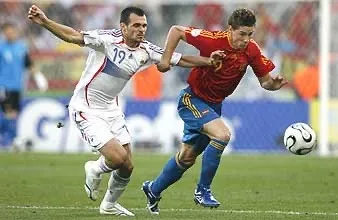
Germany 2006 saw a slight retro touch added: yellow stripes on the jersey, while retaining the popular minimalist aesthetic of the time.
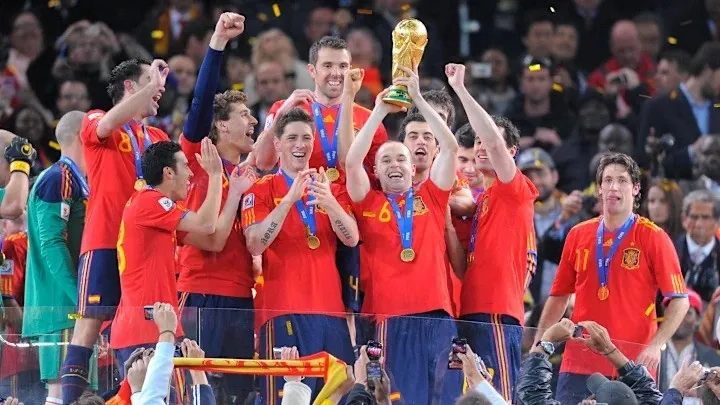
The 2010 World Cup in South Africa produced one of the most iconic kits in history. The red and blue jersey worn in the final — a sublime combination of minimalism and elegance — helped Spain become world champions for the first time.
For Brazil 2014, the design changed again, featuring a special pattern with subtle yellow details. Both home and away kits maintained a predominantly minimalist style.

Recent Kits: 2018–2022
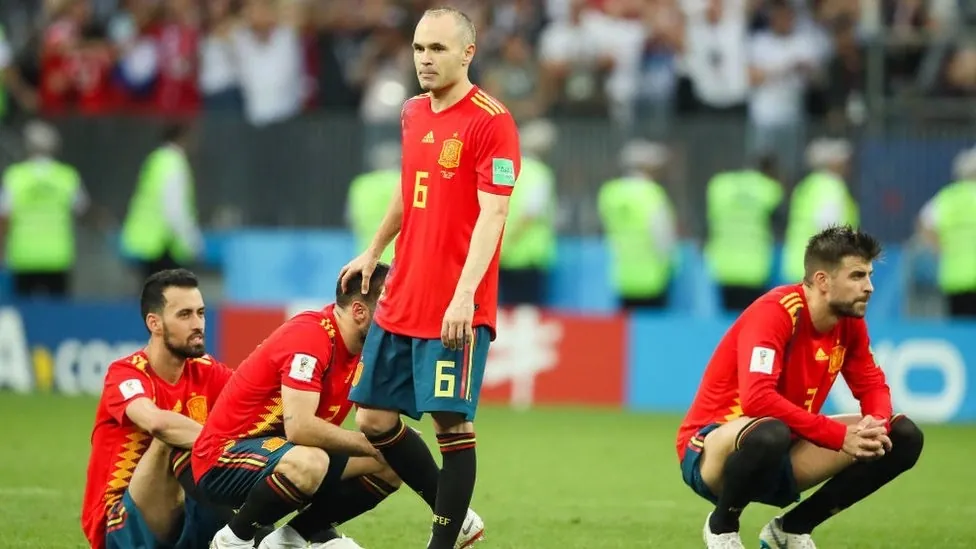
Russia 2018 saw a return to the spirit of 1994. The jersey had more personality, moving away from simpler designs of the past and standing out as very different.
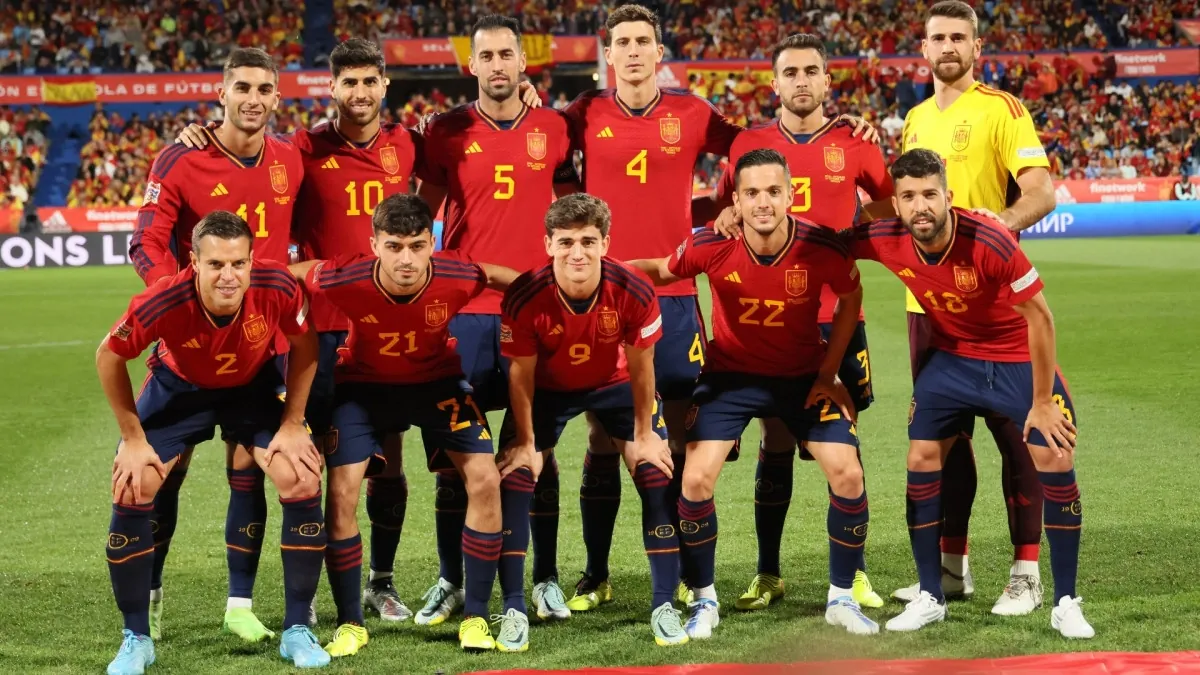
Finally, for the 2022 World Cup in Qatar, the V-neck returned, complete with blue and yellow details. The overall look harked back to a slightly retro style.
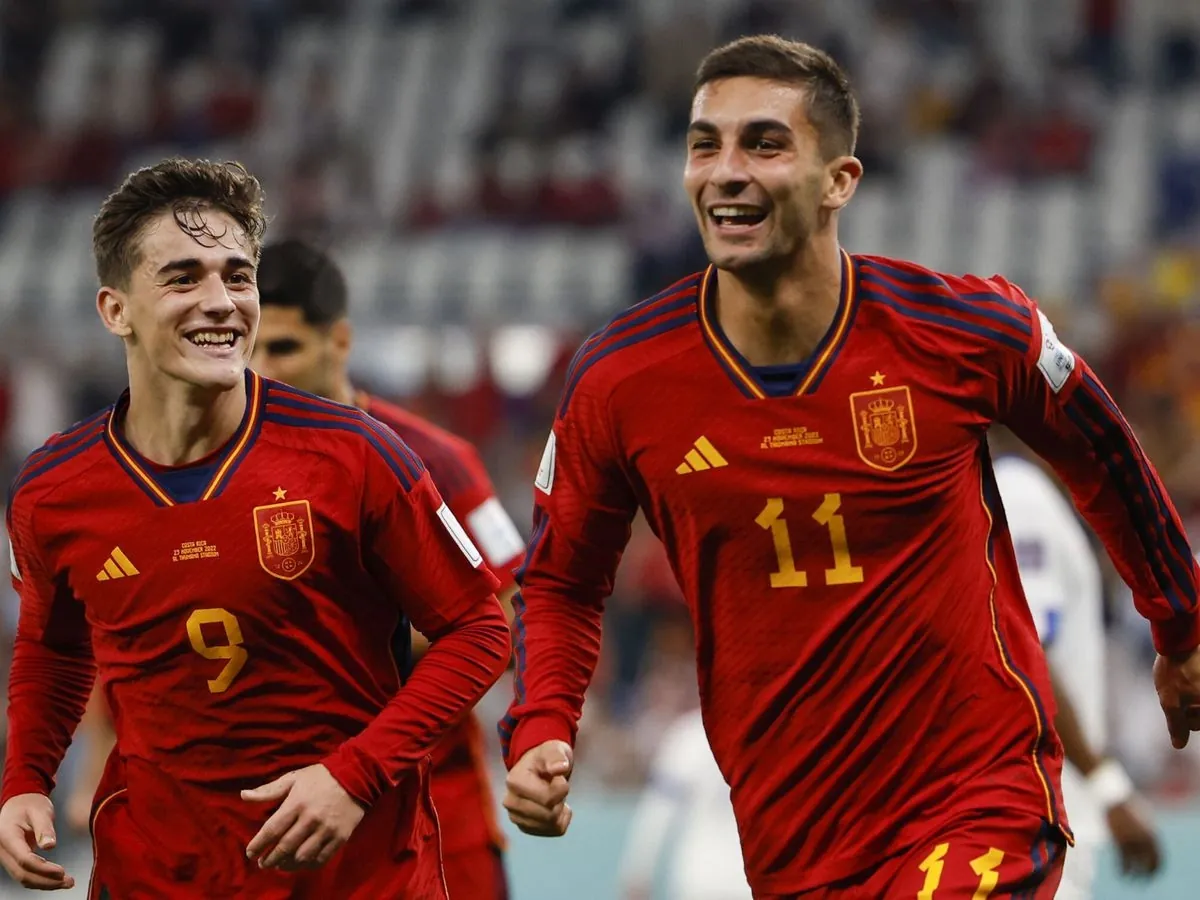
And with a new World Cup on the horizon in 2026, anticipation is already building for what the next Spanish national team jersey will look like.
Related search topics
- Spain s World Cup Jerseys football guide
- Spain s World Cup Jerseys latest updates
 WhatsApp
Looking for affordable football boots and jerseys made in China?
Message us on WhatsApp at +86 151 6027 2505, or find us on Instagram at @luxurycoca.
 Instagram