The Complete History of adidas Predator Football Boots (1994–2025)
The adidas Predator line, first unveiled in 1994, has become one of football’s most legendary boot families. Each generation has introduced new ball‑contro
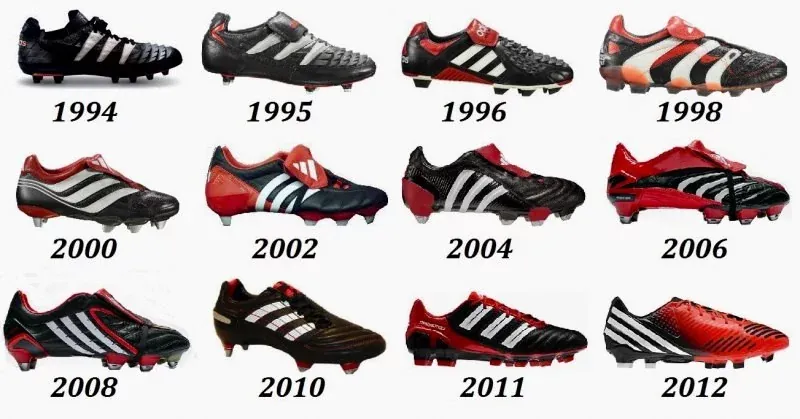
The adidas Predator line, first unveiled in 1994, has become one of football’s most legendary boot families. Each generation has introduced new ball‑control technologies, from rubber strike zones to textured uppers. Here is every major Predator model in chronological order.
adidas Predator (1994)
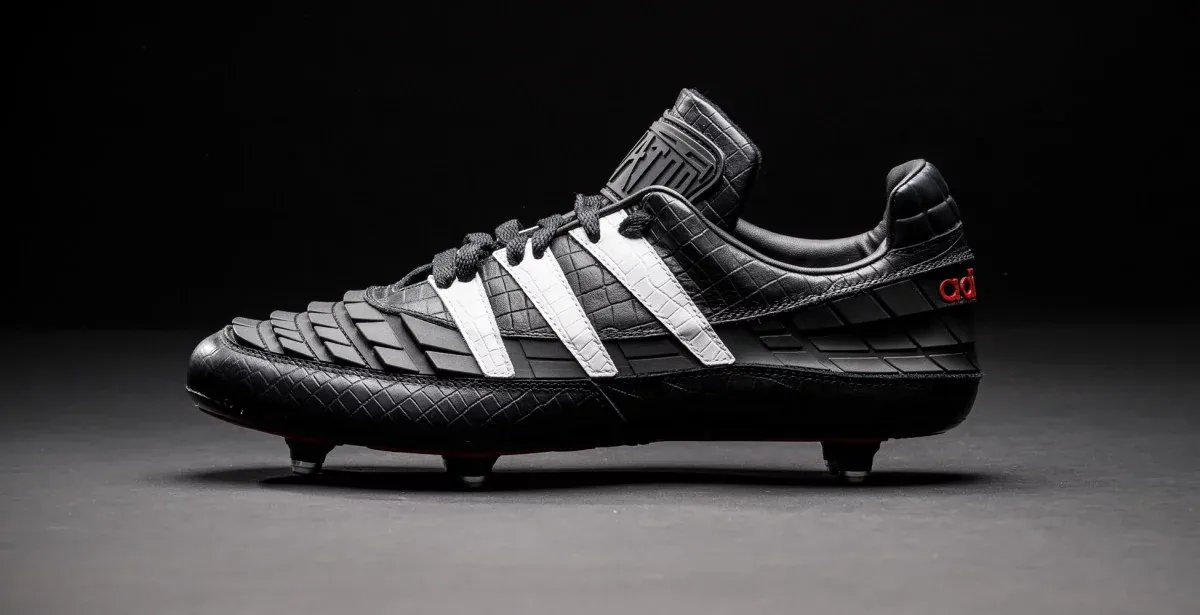
Launched during the World Cup in the United States, the original Predator featured a rubber‑covered toe cap designed to improve kicking accuracy. This “Predator element” quickly gained popularity, worn by rising stars David Beckham and Zinedine Zidane. The combination of kangaroo leather, a precise fit, and the innovative strike surface made the boot a game‑changer.
adidas Predator Rapier (1995)
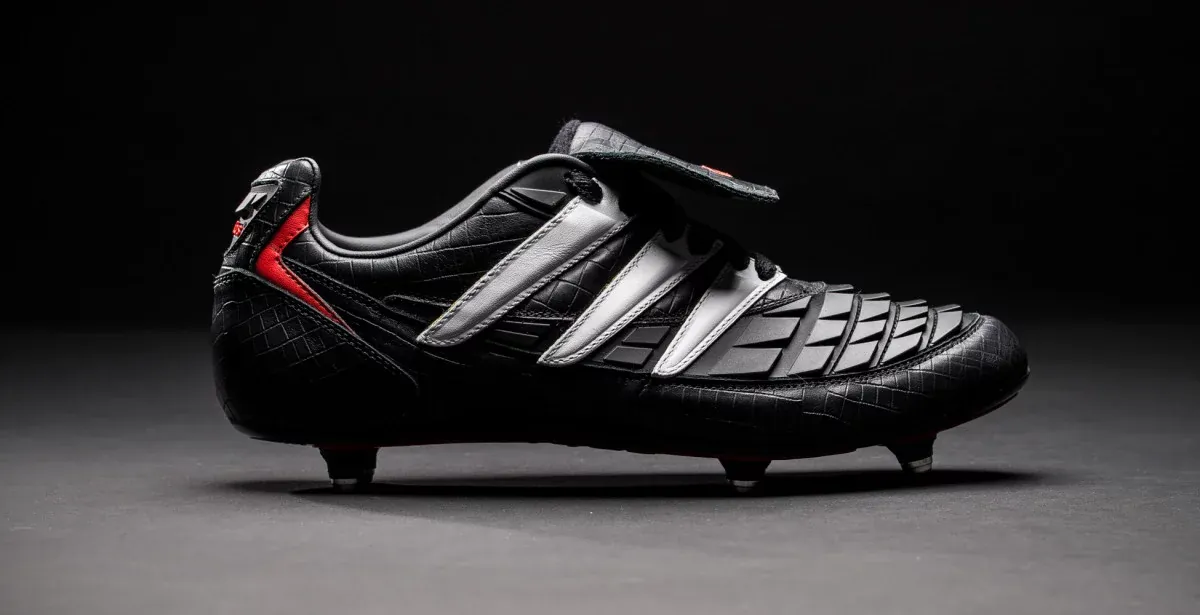
Adidas refined the concept without altering the core structure. The key addition was a reversible tongue, which would become a signature feature of the Predator silo.
adidas Predator Touch (1996)
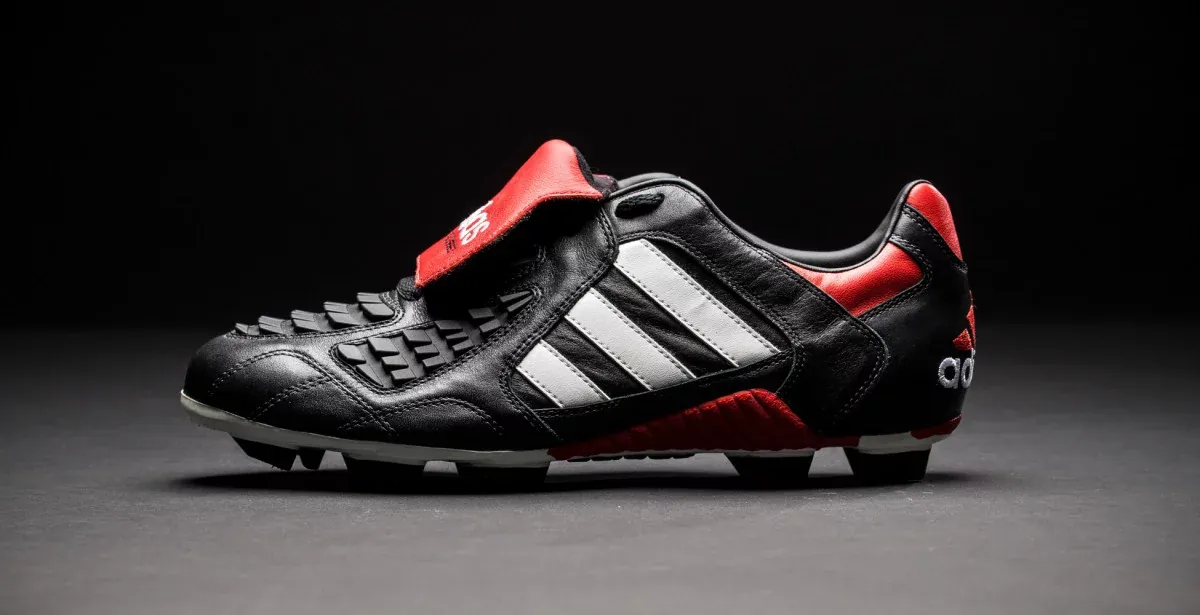
The upper received a slight redesign, and the tongue became more prominent. The biggest technical leap was the introduction of laminated studs, a departure from the conical studs common at the time.
adidas Predator Accelerator (1998)
 ]
]
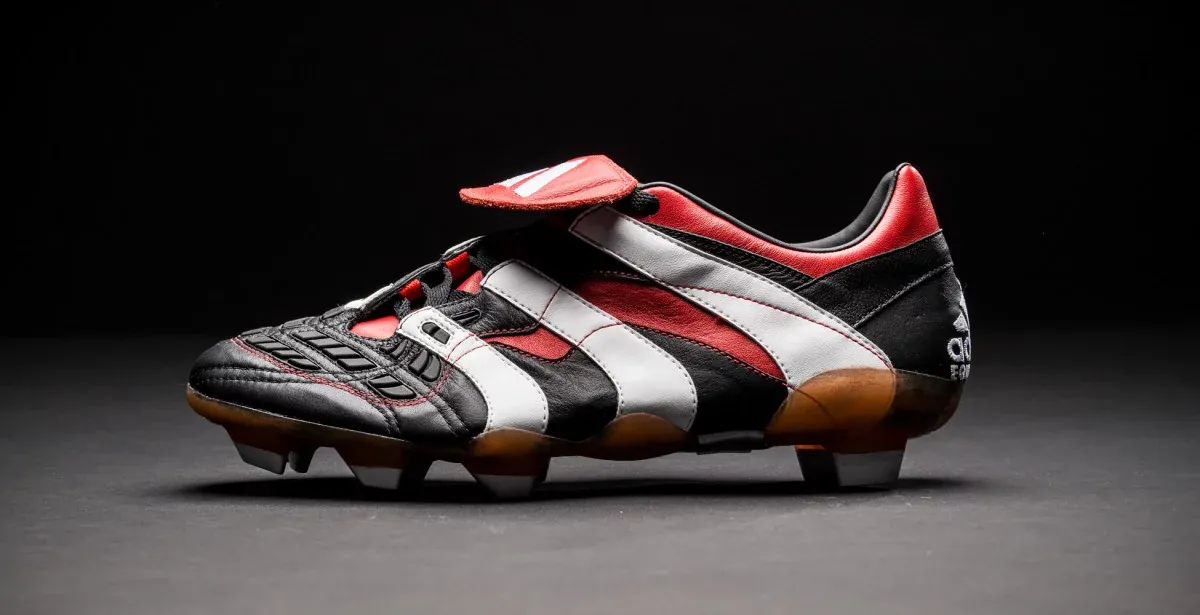
The 1998 World Cup in France saw the Accelerator become a fan favourite. The boot combined rubber and leather, with a redesigned upper featuring elongated three‑stripe lines and a red tongue. Alessandro Del Piero joined Beckham and Zidane as a classic Predator ambassador.
adidas Predator Precision (2000)
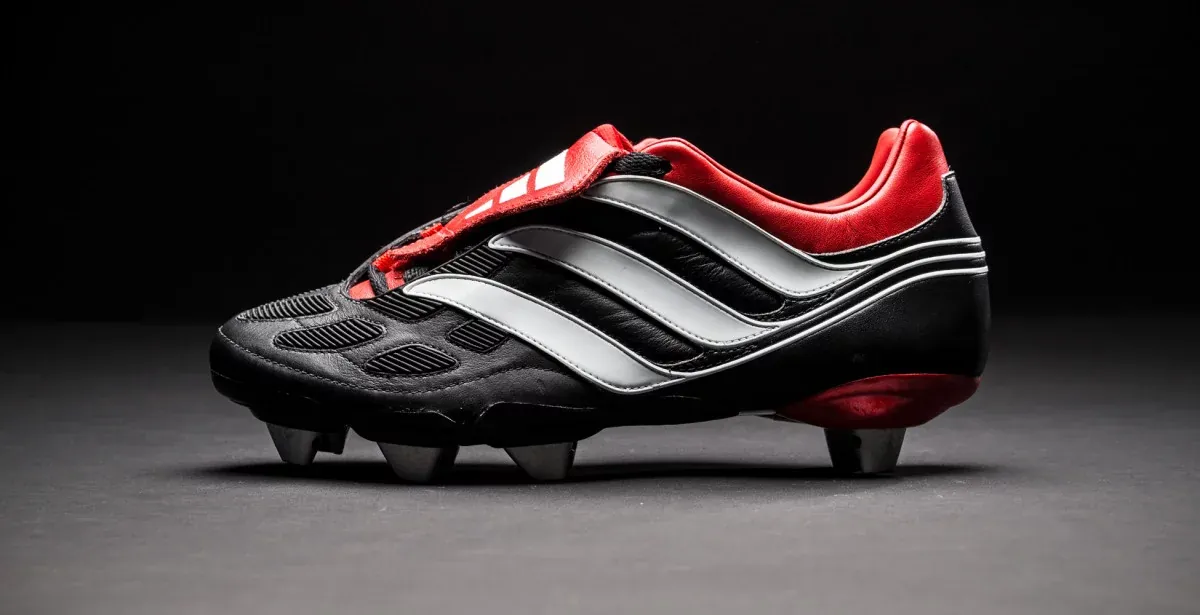
For the turn of the millennium, adidas introduced interchangeable rivets. The concept was not well received, and the brand quickly returned to a design similar to the previous generation.
adidas Predator Mania (2002)
 ]
]
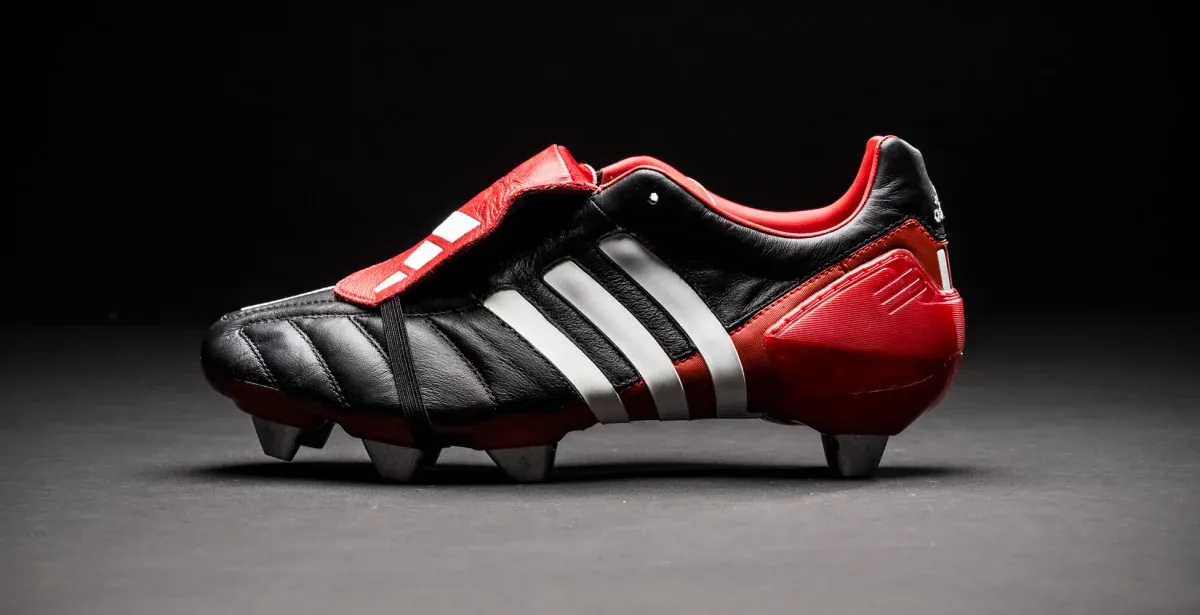
The Mania arrived for the 2002 World Cup in Korea and Japan. The Predator element was repositioned to the maximum strike zone, and the boot became sleeker. A champagne colourway became iconic, and the tongue remained the standout aesthetic detail.
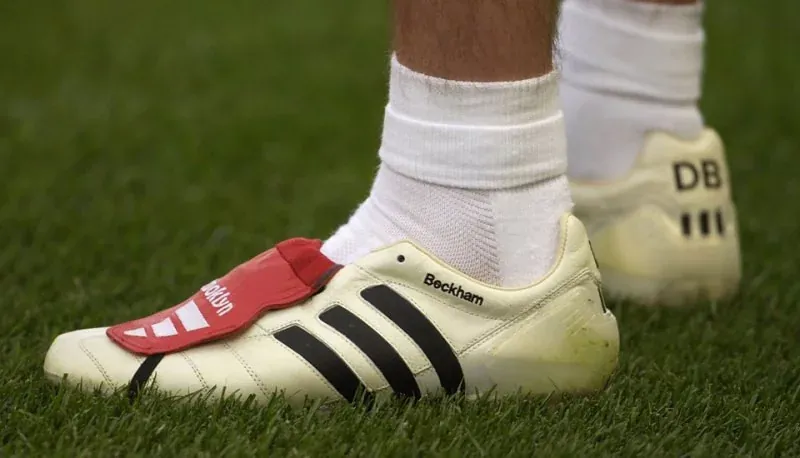
David Beckham’s distinctive tongue‑out look made the Mania one of the most beloved models in Predator history.
adidas Predator Pulse (2004)
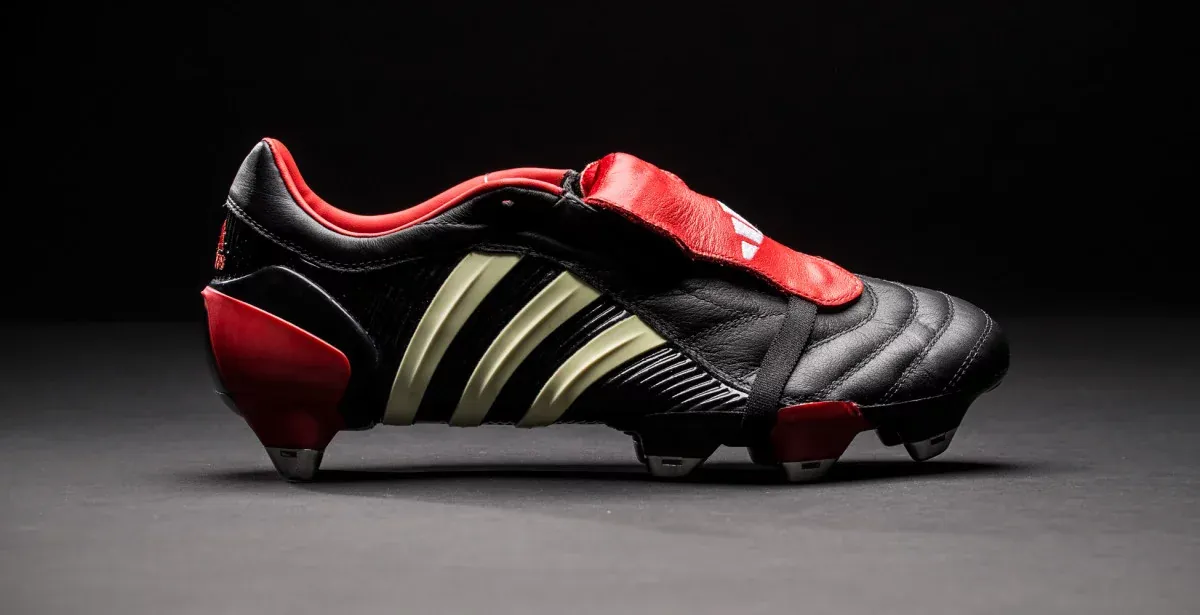
Released for Euro 2004 in Portugal, the Pulse kept kangaroo leather and touch elements. The “Power Pulse System” used an insole that shifted the centre of gravity toward the impact point, generating extra shot power. The sole introduced clip‑in studs, replacing the earlier screw‑in system.
adidas Predator Absolute (2006)
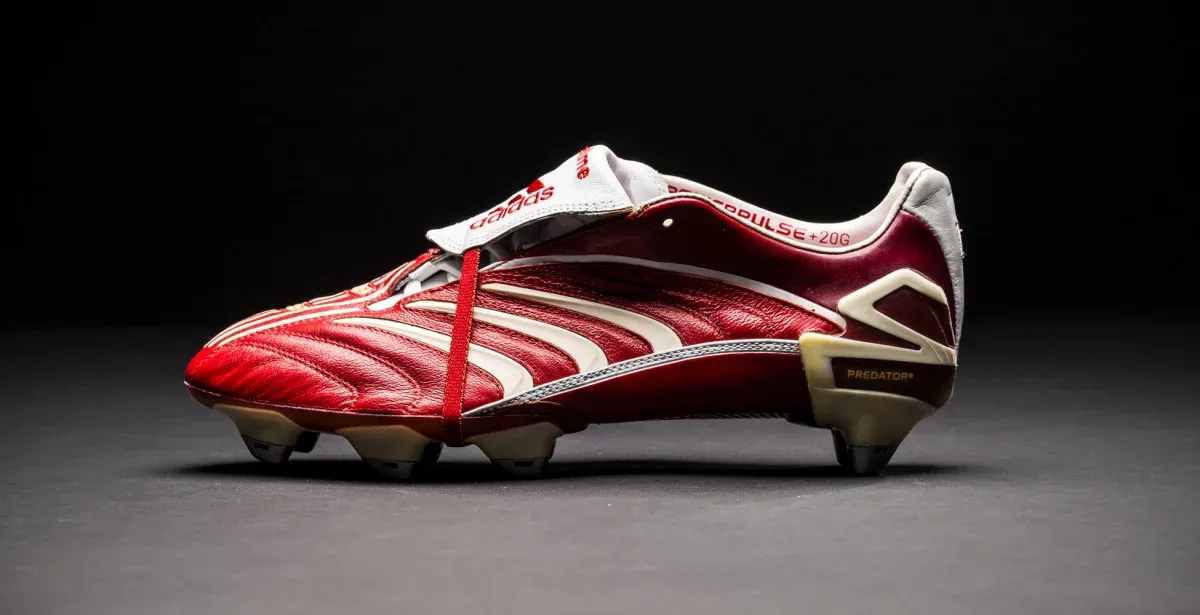
For the 2006 World Cup in Germany, the Absolute arrived with a slightly smaller tongue. The Power Pulse was visible on the outsole, allowing players to choose between a lighter or heavier insole. A reinforced heel provided extra grip and support.
adidas Predator Power Swerve (2008)
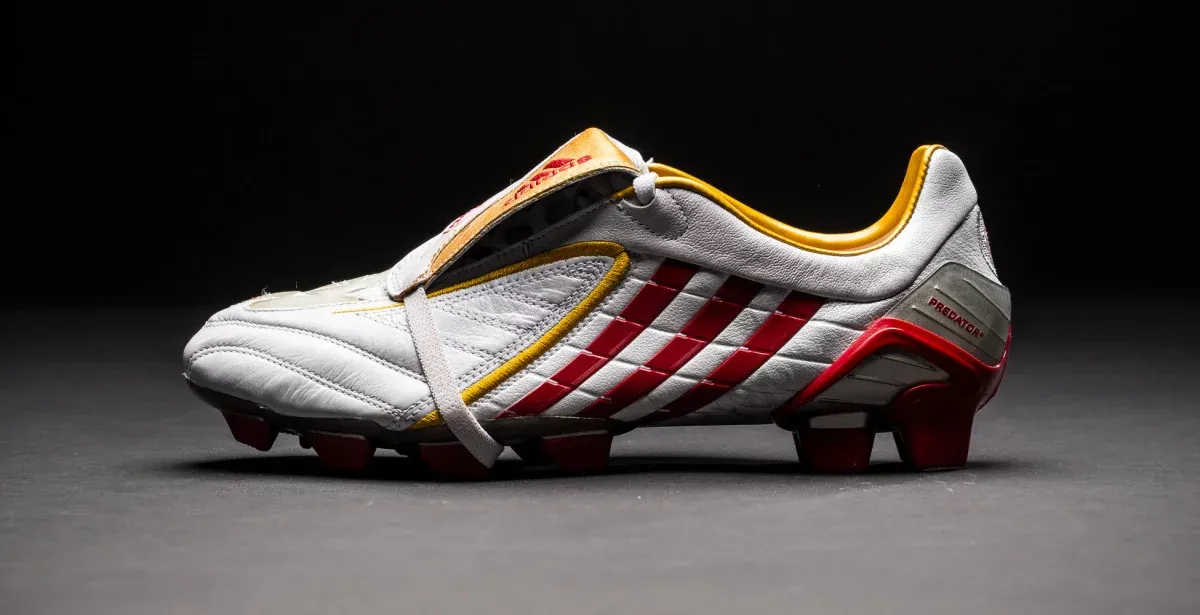
After the 2008 European Championship, the Predator returned to its roots. The Power Swerve built on the Absolute but adopted a more classic aesthetic.
adidas Predator X (2010)
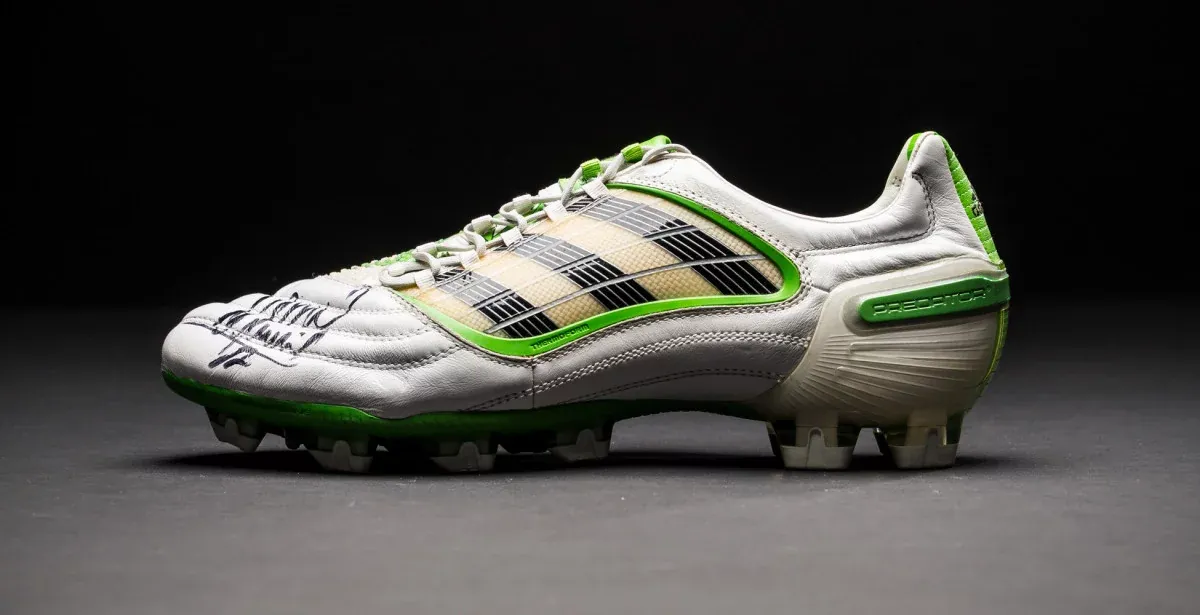
The tenth version was a complete redesign for the 2010 World Cup in South Africa. It was the first Predator without a tongue, using Taurus leather and PowerSpine technology. A spine in the centre of the outsole allowed the boot to flex but not stretch, preventing energy loss and unnecessary twisting. This model was worn by Xabi Alonso and was praised for its comfort.
adidas Predator Adipower (2011)
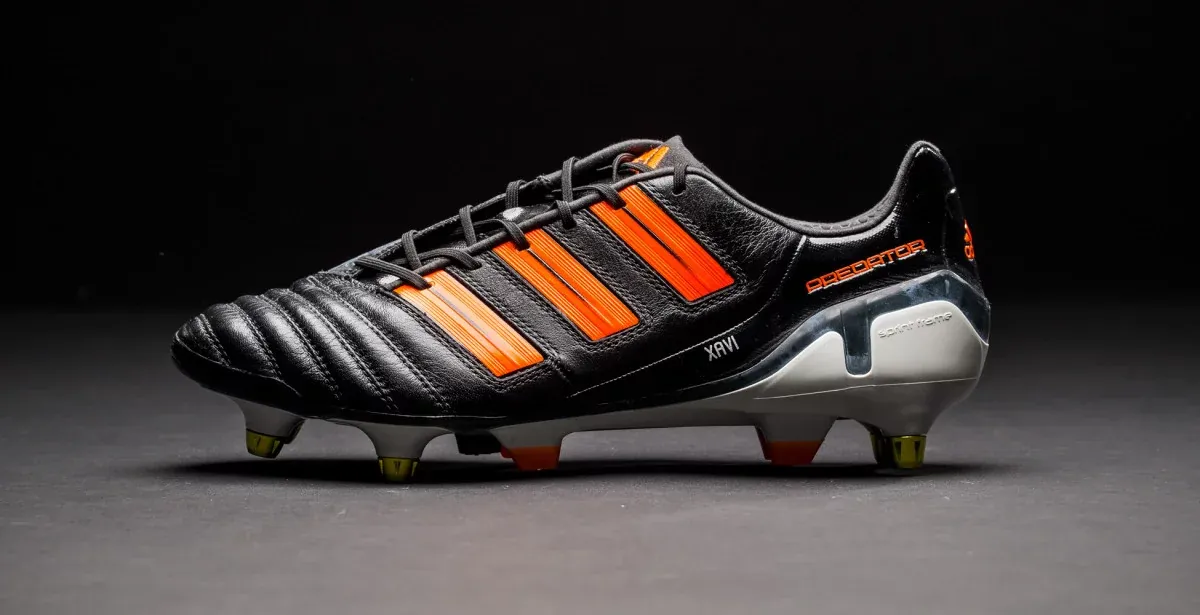
A year later, the Adipower evolved the silo with two distinct zones: the classic strike area (mixing Taurus leather and the Predator element) and a fastening zone for speed. The Sprintframe sole, borrowed from the F50, reduced weight by 25%, combining lightness with impact resistance. A special David Beckham edition used synthetic leather.
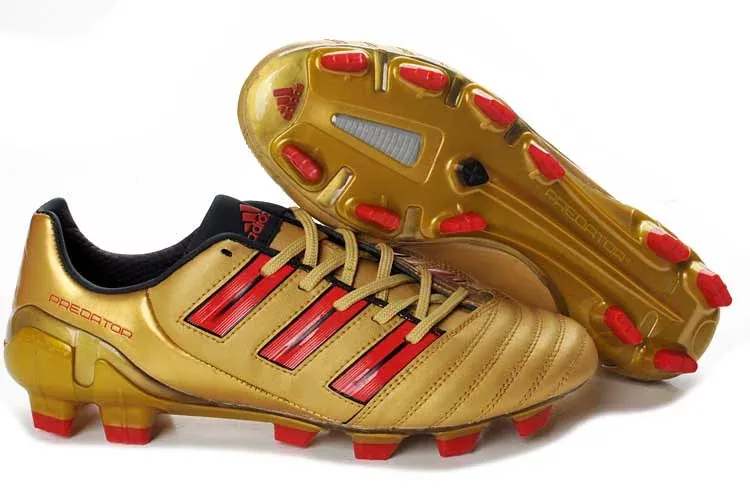
adidas Predator LZ (2012)
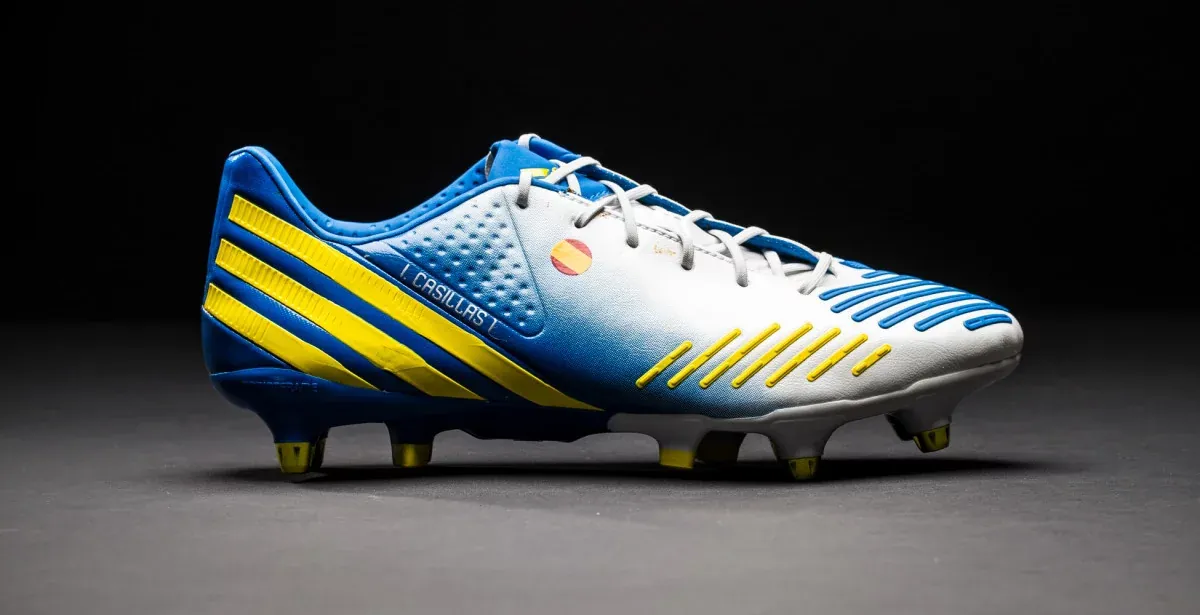
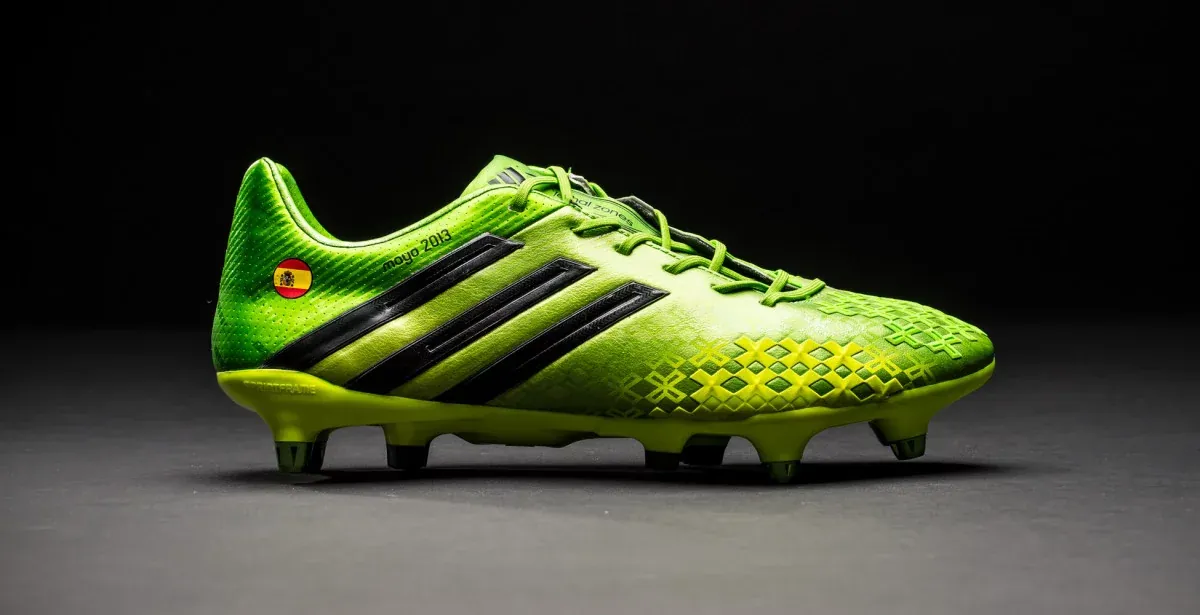
The LZ (Lethal Zones) divided the strike area into five zones, each coated with a rough gel to enhance feel and impact. The outsole was a Traxion 2.0 with Triad studs and a Pibotation stud, replacing the PowerSpine. The boot also housed the Micoach, a training‑monitoring device.
adidas Predator Instinct (2014)
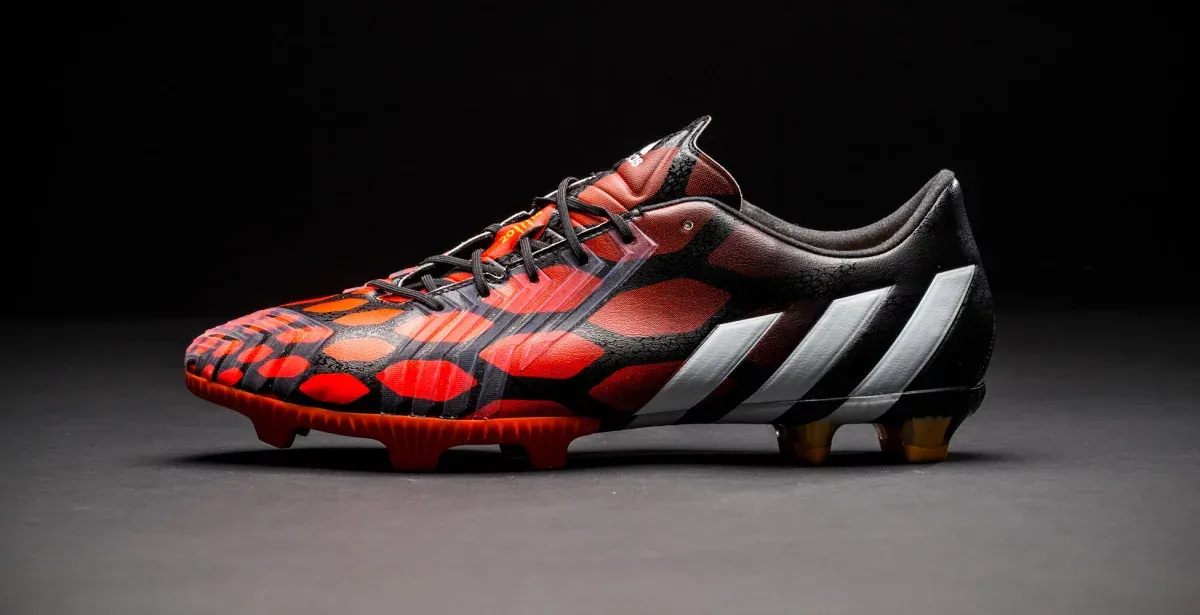
The last Predator before a temporary retirement used Hybrid Touch synthetic material, mimicking natural leather. Lethal Zones were integrated into different strike areas, and the Control Frame outsole featured a relief design for better control. The colourways used a 50/50 split, reflecting the brand’s “all or nothing” motto. The original Predator line ended on 25 May 2015, though special editions followed.
adidas Predator 18+ (2017)
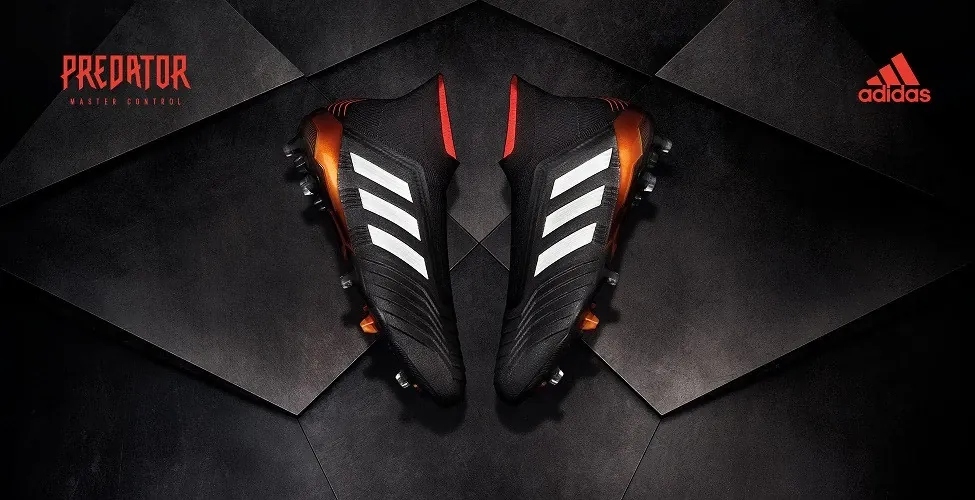
After a few years of the adidas Ace, the Predator concept returned. Primeknit replaced leather, with foam plates forming the Predator element. The outsole regained aggressive studs and a powerful flexion arch, re‑establishing the silo’s identity.
adidas Predator 19+ (2018)
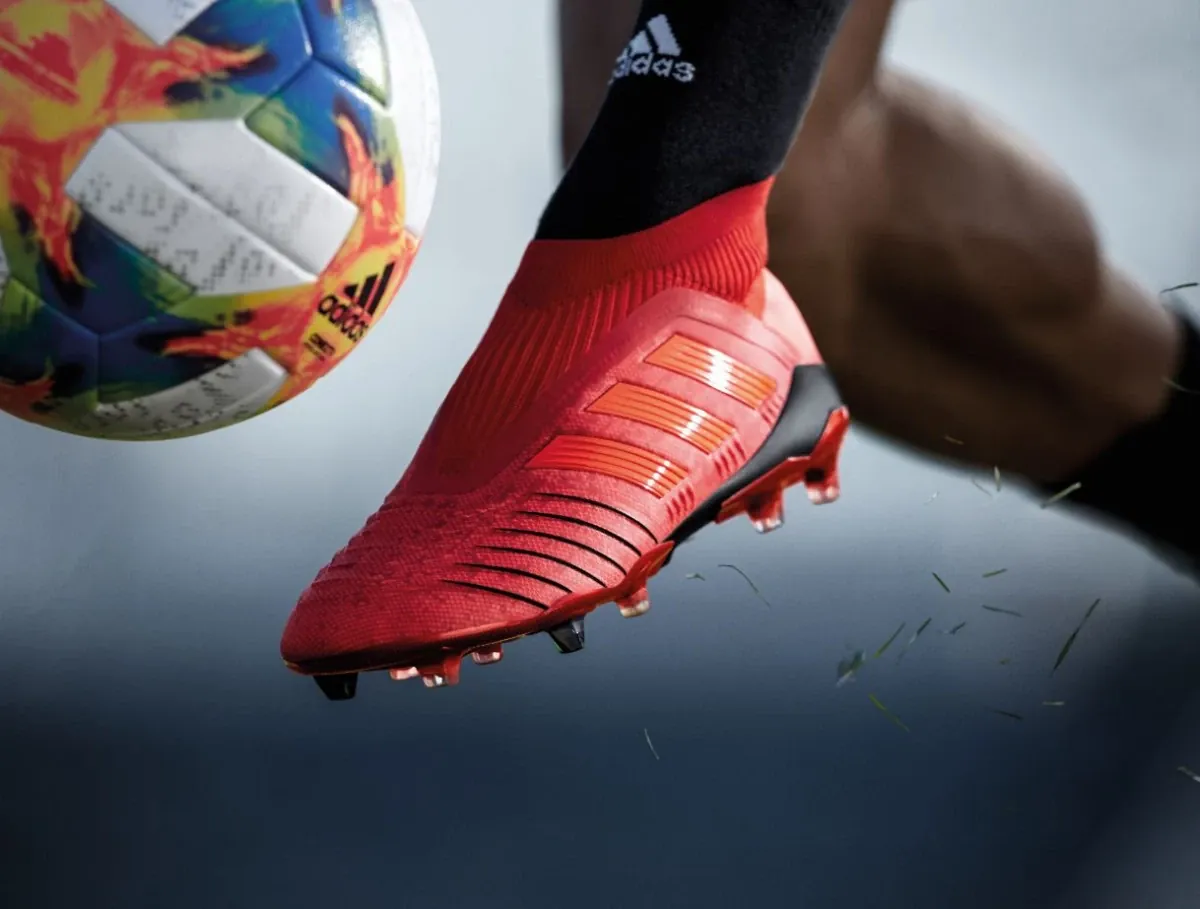
A mild evolution: the upper featured “Controlskin” with a new colour mix, and scales on the heel recalled older models. The outsole remained unchanged, with Boost technology in the laceless version. Traces of the Ace lineage were still visible.
adidas Predator Mutator (2020)
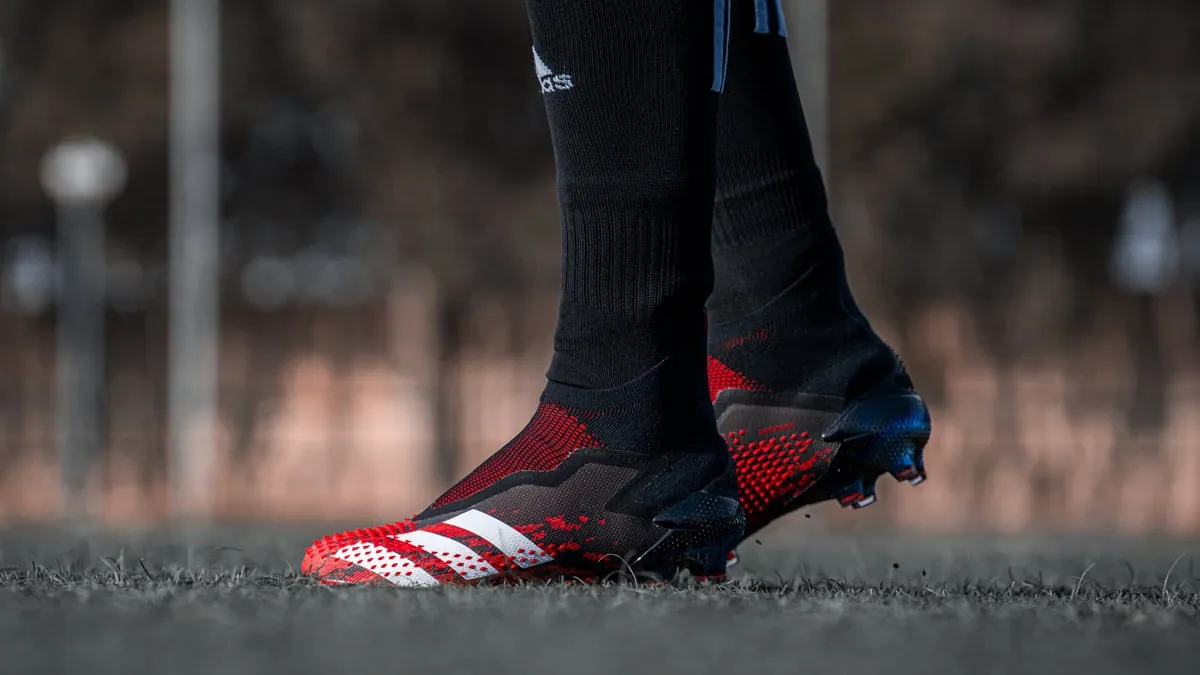
The Mutator revived a wild aesthetic with “Demonskin” – spikes covering the ball‑contact area for extreme grip. The Primeknit base was slightly harder, offering a reinforced feel. This model fully captured the original Predator spirit.
adidas Predator Freak (2021)
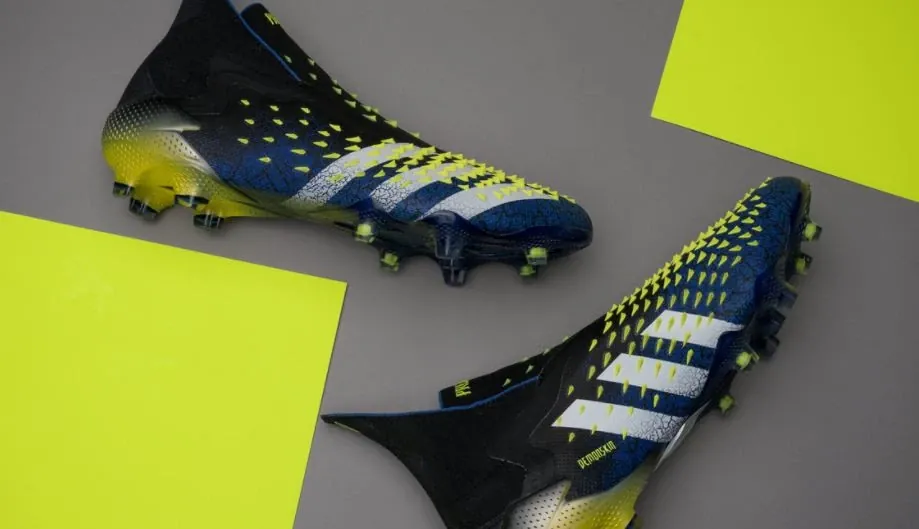
The Freak retained the aggressive outsole and reinforced Primeknit. Demonskin spikes were reduced in number but extended across the upper, including the knit area up to the heel. The laceless version maintained a striking look.
adidas Predator Edge (2022)
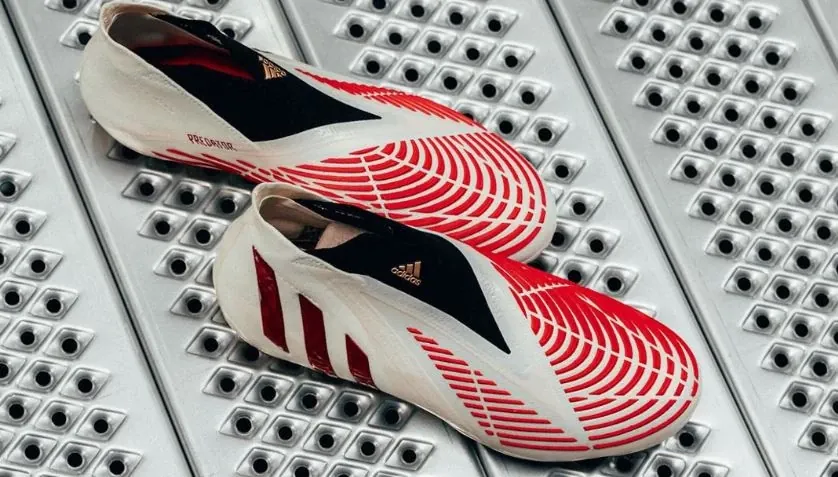
Moving away from spikes, the Edge introduced panel‑shaped Predator elements for a more rounded strike. The Powerfacet diamond on the front of the outsole added weight to maximise power.
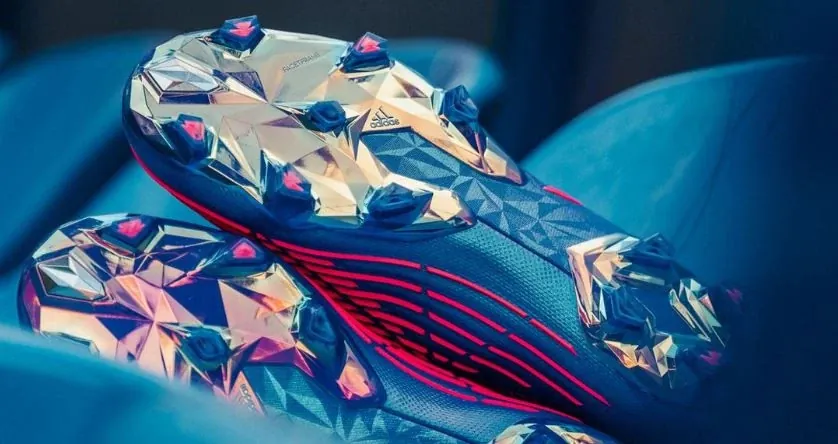
This generation continued the focus on striking power.
adidas Predator Accuracy (2023 update)
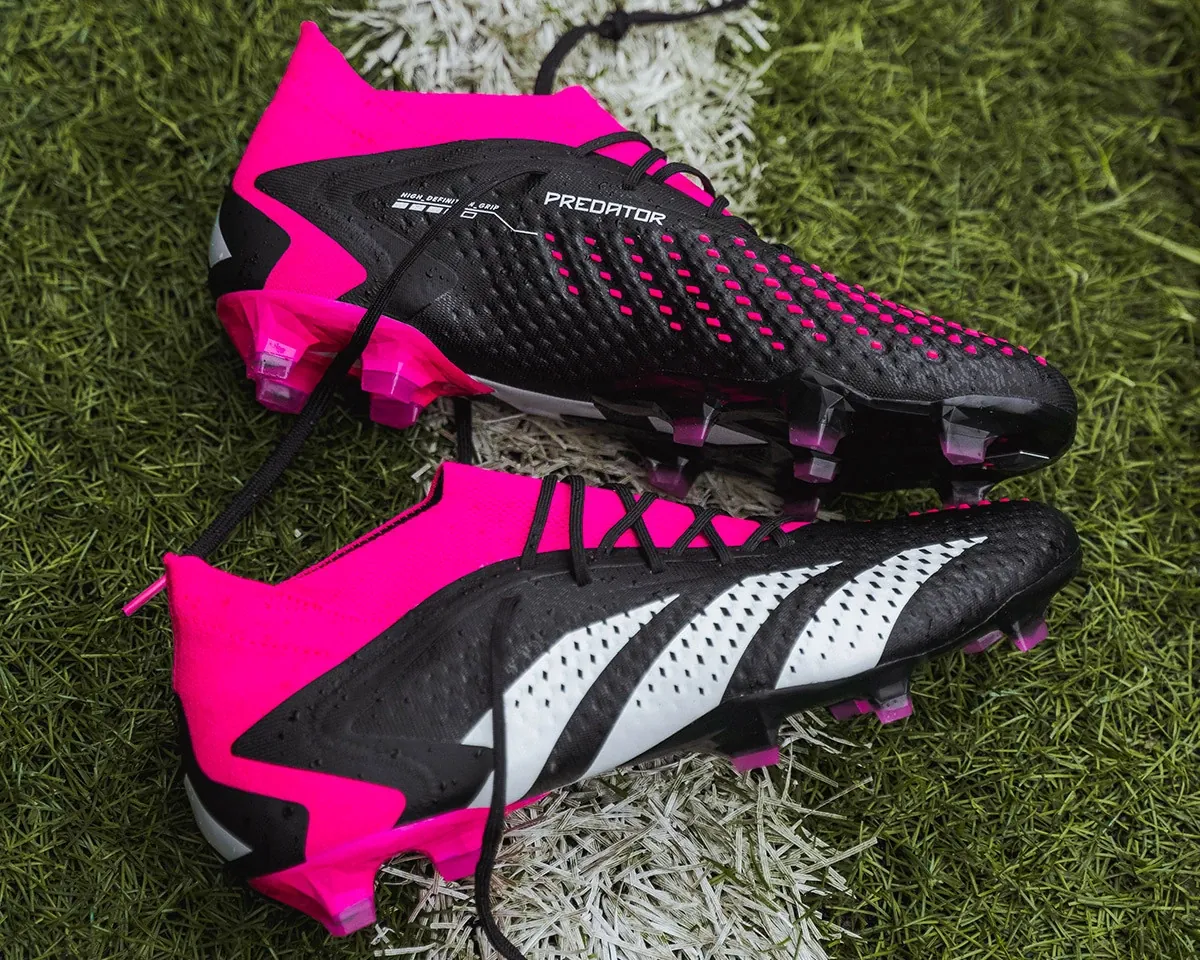
The 19th generation used Hybrid Touch synthetic material for comfort. The Predator element was renamed High Definition Grip, with two densities: a Kicking Zone on the inside for easier striking and a Dribbling Zone on the outside for better ball control.
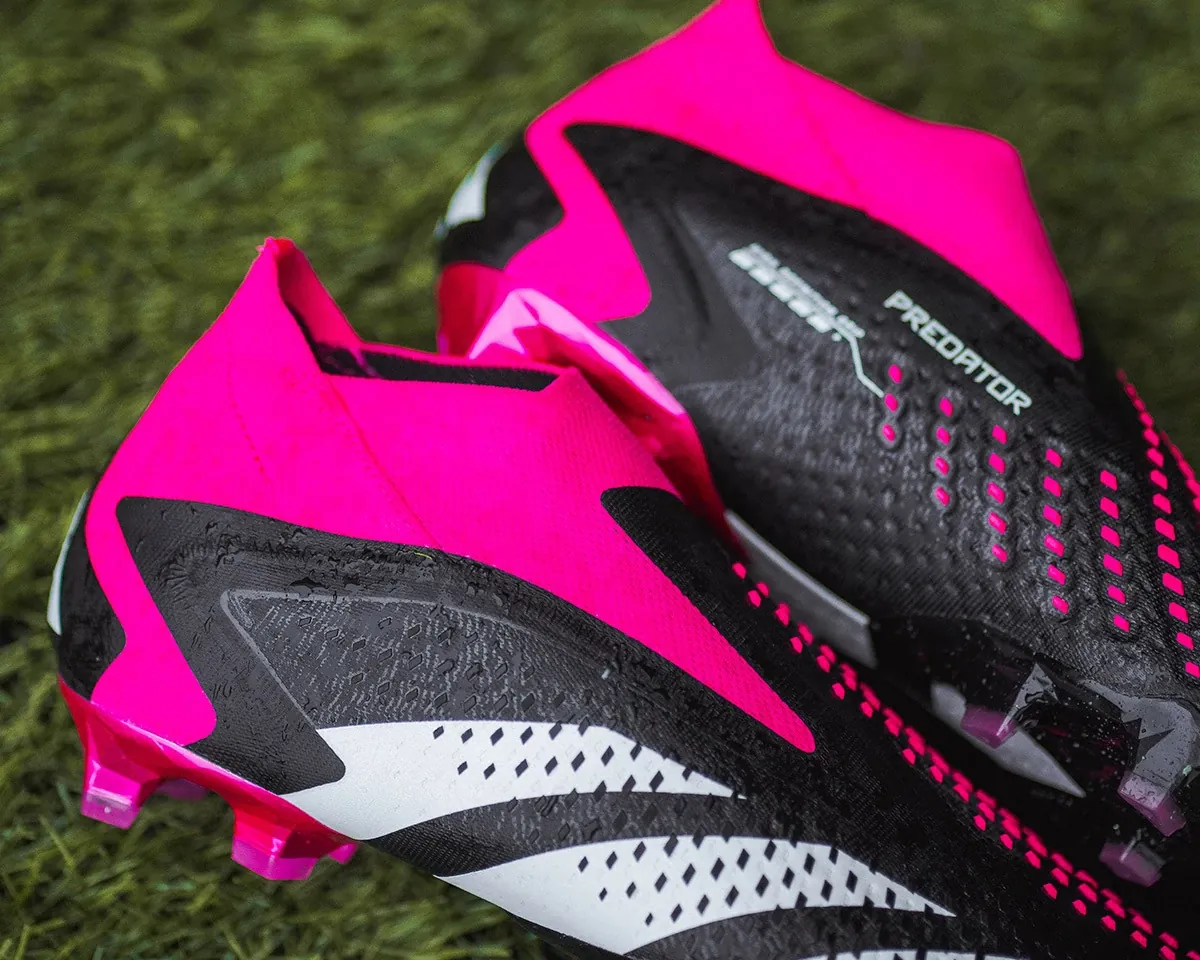
The FACETFRAME outsole was carried over from the Edge.
adidas Predator 24 (2023)
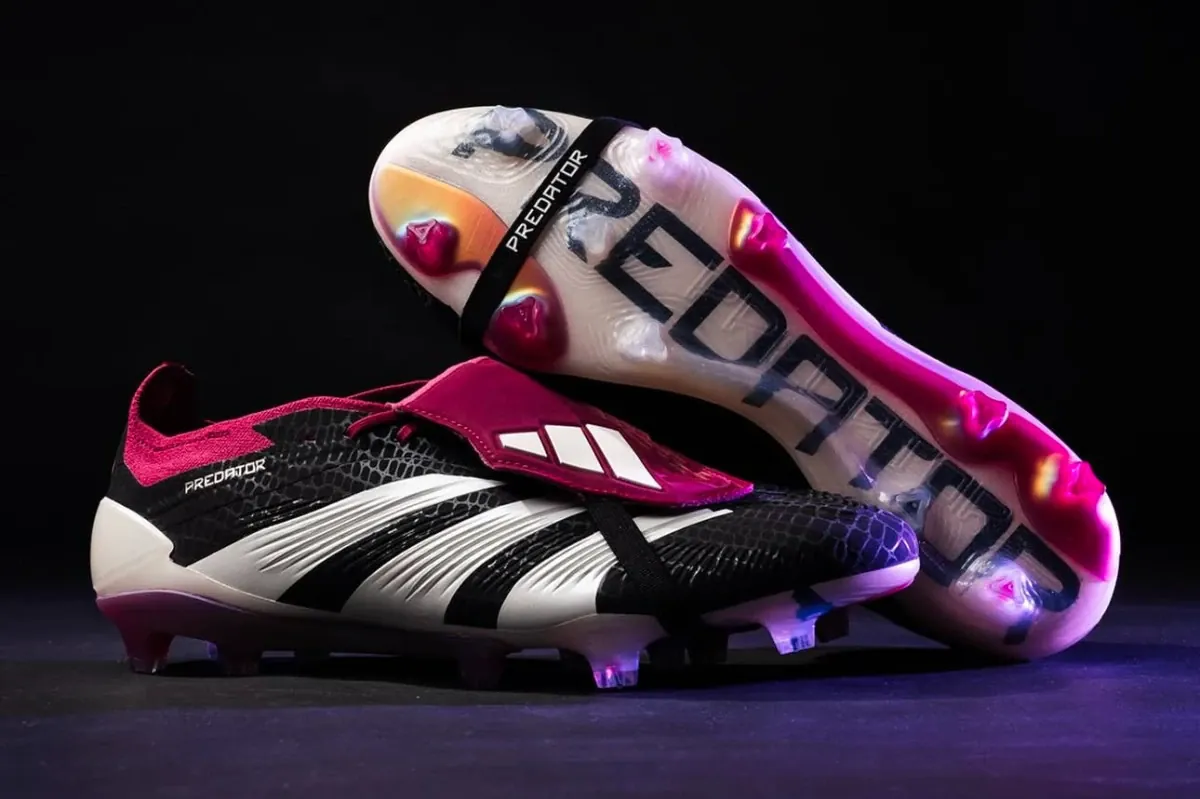
Unveiled near the silo’s 30th anniversary, the Predator 24 brought back the tongue and a Mania‑inspired aesthetic. The “predstrike” element returned, offering the grip and strike feel fans loved. The outsole provided traction without sacrificing stability.
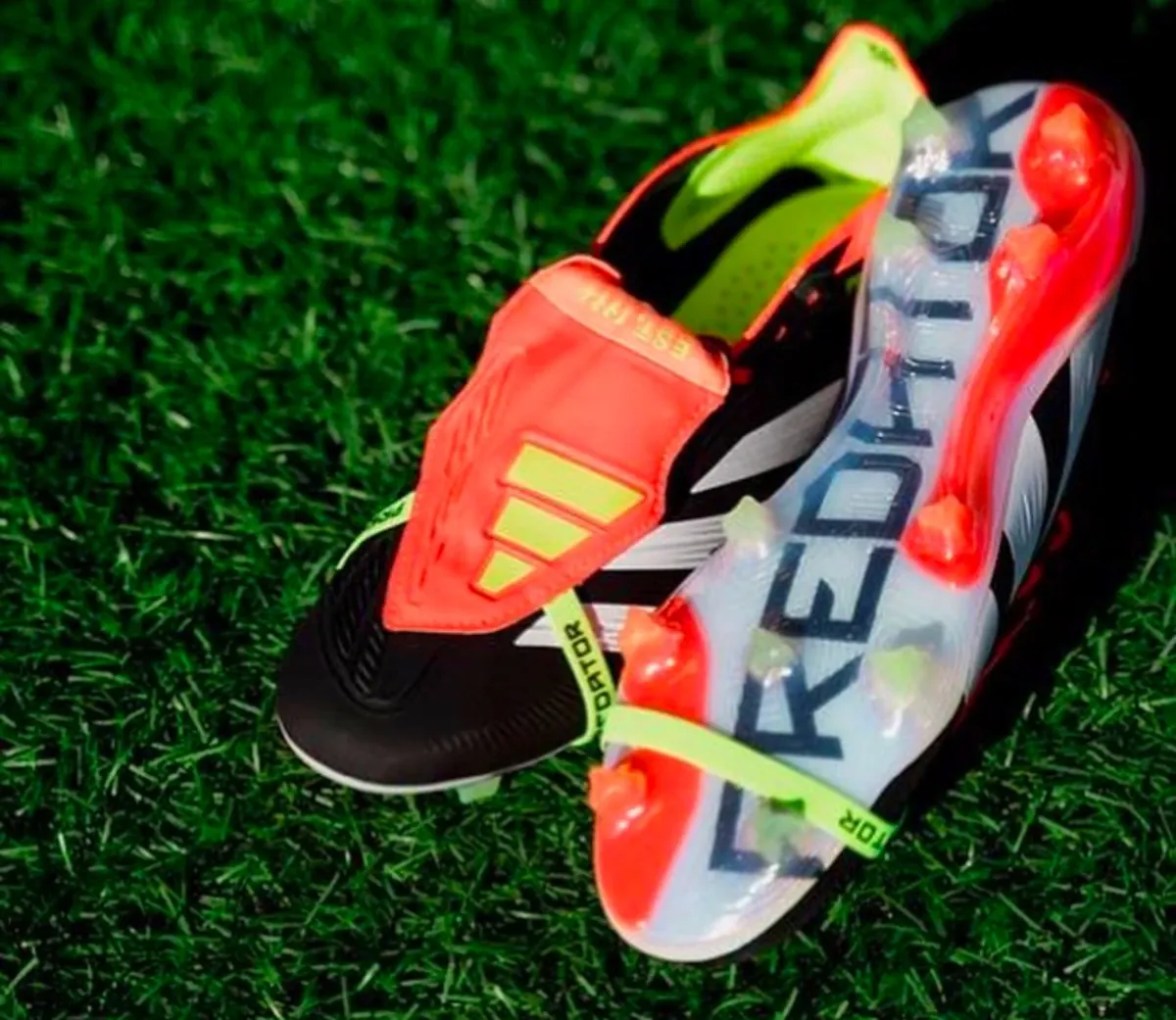
This model helped restore the Predator’s status among the best boots on the market.
adidas Predator 25 (2024)
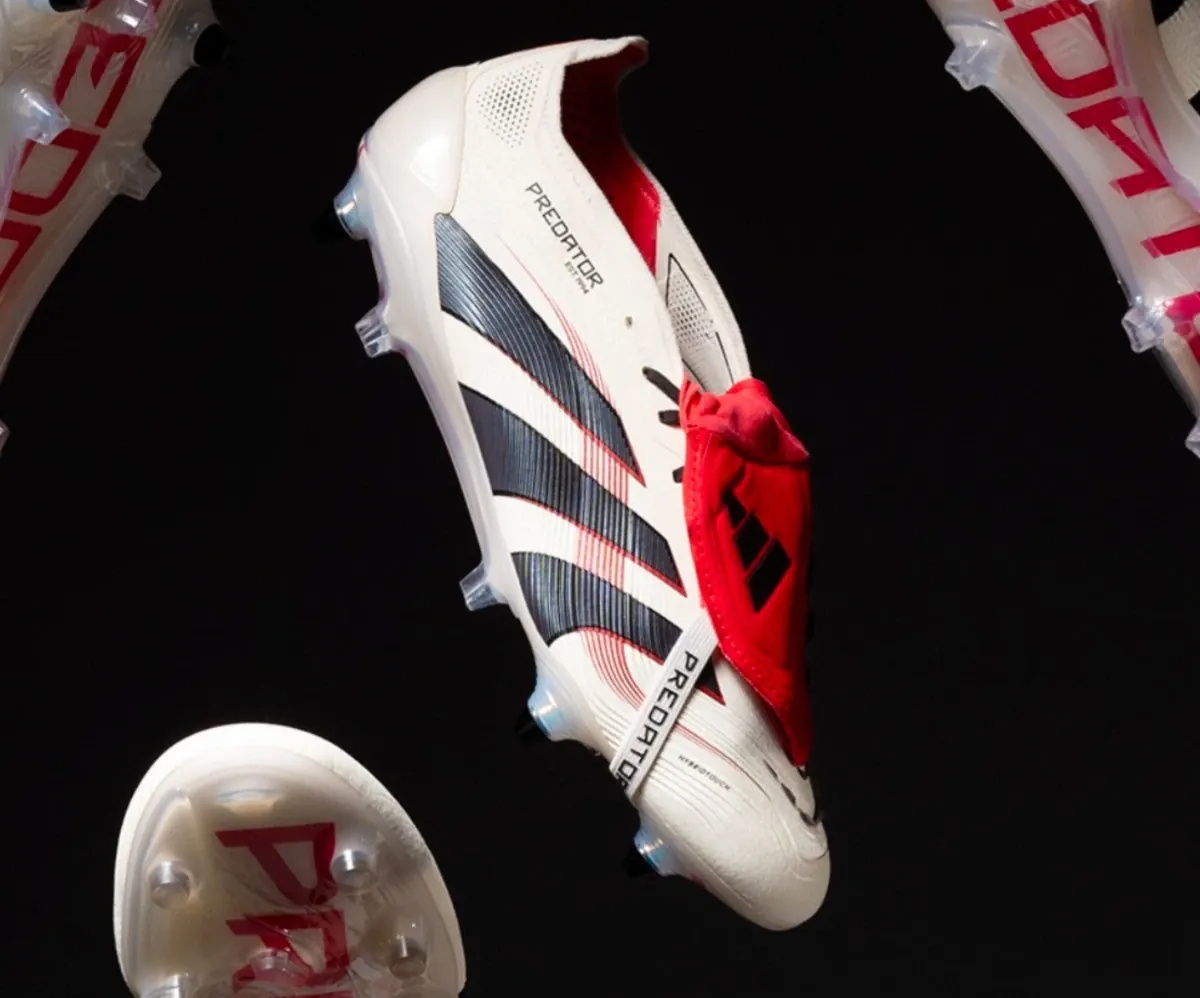
A light redesign: the upper reverted to standard Hybridtouch (lighter and softer than the previous 2.0 version). The strikeskin was reduced, resembling the Pulse model. The three‑stripe design echoed the Accelerator, addressing minor weaknesses of its predecessor.
adidas Predator Moments (2025)

This limited edition celebrated epic match moments. The red‑and‑black colourway featured the first Predator logo (a pair of eyes) on the upper. Inside the boot, details commemorated Zidane’s 2002 Champions League goal and Beckham’s 2001 free‑kick against Greece.
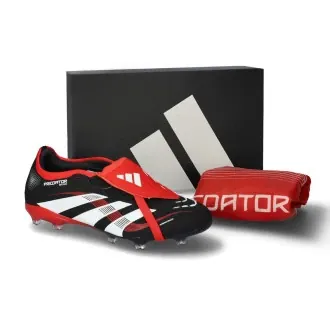
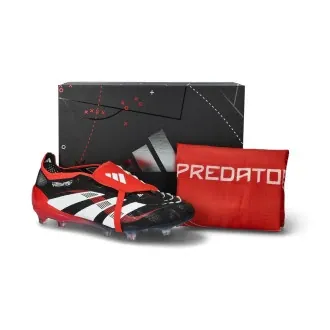
The Predator silo continues to evolve, blending heritage with modern innovation. Each generation has left a mark on football history.
Related search topics
- history of adidas predator football boots
- history of adidas predator
- adidas predator boots history
- adidas predator cleats history
 WhatsApp
Looking for affordable football boots and jerseys made in China?
Message us on WhatsApp at +86 151 6027 2505, or find us on Instagram at @luxurycoca.
 Instagram